Cutting Your Personal Carbon Footprint Only Goes So Far
In May 2019, Tom Gosling, now Professor in Practice at the London School of Economics, made a public pledge to shrink his family’s climate impact. His aim was simple: cut his family’s carbon footprint by 50% over seven years.
At the beginning, he estimated the family of five produced just under 70 tonnes of carbon dioxide equivalent per year, or about 13.5 tonnes each. Seven years later, the result was 23%, less than half the reduction he had targeted.
So, what went wrong? Why did he struggle to reach his fifty percent target? Can his experiment teach anything about our personal carbon footprints?
Some changes were much easier than others
Much of the 23% reduction came from a few key areas. Electrification was critical. The Gosling household moved to:
- a heat pump
- induction cooking
- solar panels and battery storage
- electric vehicles
The result was that the family now burns almost no fossil fuel directly at home. Despite the upfront investment, he says electrification has halved their total fuel bills. He found the financial savings were substantial.
Diet also changed. The family now eats much more vegetarian food because of meat’s environmental impact, with Gosling and his wife going further than their children. Many people would see this as a sacrifice. He sees it as a change for the better. They enjoy the food and feel the benefit, helped by his wife, who does most of the cooking, building up a wide range of plant-based meals.
Flying and general consumption proved much harder to cut. His target for flying was a rolling three-year average of one tonne per person per year, which he puts at roughly two return trips to southern Europe. Between family travel and work conferences, they came nowhere close. Their underlying level of consumption didn’t budge much either.
His daughter travelled around Australia and Asia, and Gosling and his wife flew out to visit her. Those flights alone used up several years of the family’s flying allowance. As a family, they weren’t going to give up experiences like these to hit a carbon target. Gosling reflects that climate commitments hold up well until they clash with what people really want to do.
Plenty of people will make smaller changes, like eating less meat or driving less. Far fewer will pass up a major life experience to cut their emissions. Whether they should have to make that choice is another question.
With the children grown up, he and his wife are also travelling more themselves. He admits that a high-carbon lifestyle is enjoyable. New bikes, a new kitchen and a new car all came with a sizeable carbon cost. Looking back, he says he should have involved the whole family in deciding where to focus.
Personal carbon footprints have limits
Looking back on the seven years, Gosling concludes that large parts of his family’s footprint sit outside his control.
You can cut fossil fuel use at home, you can change your diet, but you cannot click your fingers and decarbonise the national grid.
For years, the climate conversation centred on personal carbon footprints. Gosling’s experience shows how far personal action can go on its own. There’s a limit to what most individual people can do. Companies and governments have to do the rest.
A household cannot choose a heat pump if the building is unsuitable, or an electric car if charging is impractical. Personal responsibility only works when cleaner options are affordable and accessible.
What installing a heat pump revealed
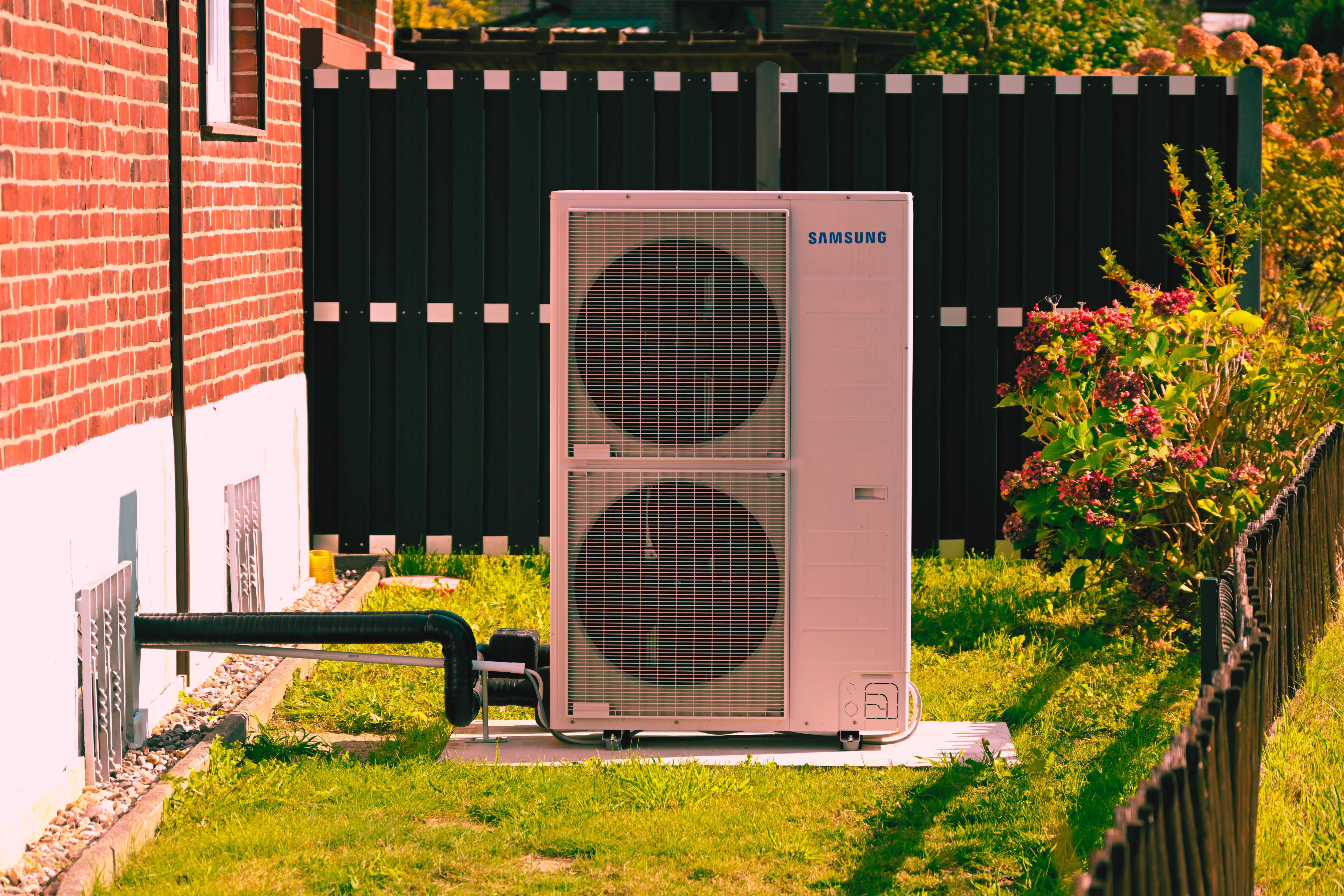
Even a suitable home can hit obstacles. When Gosling set about installing a heat pump in 2022, safety rules on distance from windows ruled out the back of the house. The only other position sat 70cm from the property boundary, and at the time anything within one metre needed planning permission. The application required a noise survey, and permission came with two conditions: the heat pump could only run between 6am and 10pm, and the family had to keep their gas boiler. Keeping the boiler made them ineligible for the government’s £5,000 heat pump grant. Gosling estimates the 30cm shortfall added more than £6,000 to the cost.
Once it was running, the picture improved. After a year, the family’s heating and hot water bill was about 20% lower than with gas, a saving of around £500. The heat pump also cuts their emissions by around five tonnes of carbon dioxide equivalent a year, roughly 7% of their original footprint.
Gosling’s experience captures the policy challenge. He estimates that, on carbon savings alone, it would be worth society paying £20,000 to install his heat pump. The upfront cost and the hassle still landed on one household. He argues heat pumps will only take off when they’re reliably cheaper to run than gas boilers, which depends partly on how electricity is priced relative to gas.
England has since scrapped the one-metre rule that triggered his planning application, although heat pumps still have to meet noise limits.
The most effective action may depend on what you are good at
A few years ago, Gosling decided to focus his efforts where he’s in the strongest position to help. He now concentrates on three areas:
- electrification
- politics
- advocacy
Each professional will have one area where they can make the biggest impact. A financial professional might help direct capital towards climate technology firms that struggle to raise funding. A policymaker can remove the barriers that make it hard for households to install heat pumps or solar panels. A product manager can make low-carbon technology easier to use.
Your biggest contribution may happen at work
Much of Gosling’s own climate influence comes through his job. As Director of the Initiative in Sustainable Finance at LSE, he uses his role to make the case for what he sees as credible investor action on climate change.
Full-time workers spend well over a thousand hours a year at work, and tens of thousands over a career. For someone with ten or twenty years of experience, those hours may offer far more climate leverage than painstakingly optimising every household purchase.
Gosling still sees a role for personal choices. Early adopters help new technologies find a market, and businesses pay attention to what consumers do. He has, though, stopped trying to shrink his footprint through self-denial. His effort now goes into the areas where he can shift the wider system.
That trade-off applies well beyond one family. Cutting a household’s footprint by another few percent can take a great deal of effort for a small return. The same person may have skills that could help thousands of households cut theirs. Where those skills are used, and whether an organisation gives them enough leverage, may shape someone’s climate impact more than anything they change at home.
For many experienced professionals, the bigger climate opportunity sits at work.
FAQs
Got A Question?
Everything you need to know about impact careers, sustainable job opportunities and our talent network in one easy place.
Our House Views content library and Awareness to Action series share insights on sectors, roles and career moves. Many candidates use these resources to narrow their focus before speaking with us.
Because the numbers are clear. Green and transition sectors are growing faster than the rest of the economy, attracting capital, talent and innovation. Positioning yourself there is a commercial decision, not just a values one.
Awareness to Action is our interview and insight series. We speak with leaders across the impact economy and turn real conversations into practical guidance for careers, teams and capital.
Yes, we regularly feature impact investors, founders and sustainability leaders in interviews and House Views content. If you have something valuable to share with the impact economy, we would love to hear from you.