UK Food Executives Warn Investors on Food System Resilience

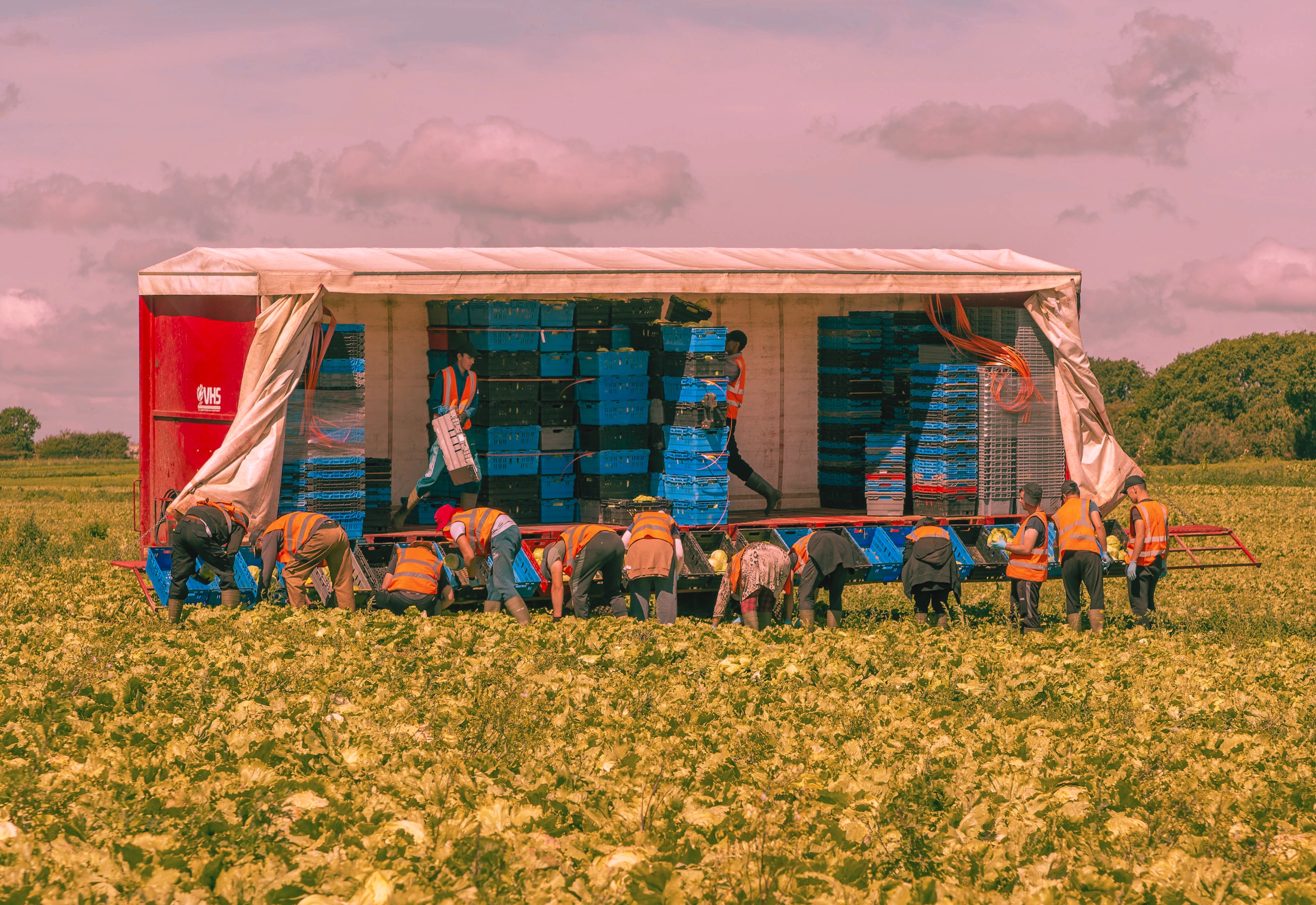
People inside UK food businesses are increasingly concerned about the food stability of the nation. Indeed, they’re so concerned that a group of senior executives from major UK food retailers, producers, and manufacturers have released a letter to their investors, owners, bondholders, and creditors.
The warning is stark.
Climate change, biodiversity loss, and soil degradation are already reducing yield, quality, and reliability of supply. Food businesses might look resilient because shelves are still stocked and profits have largely held up. However, beneath that apparent stability, farmers, suppliers, infrastructure, and sourcing systems are being strained to capacity.
For anyone working in the industry, it’s a daunting prospect and one that exposes a serious skills gap. The problem isn’t merely about climate change. If food supply chains crumble, businesses suffer and nations face significant political pressures.
The UK food system is coping by passing costs on
The memo does not talk in vague language. It’s frighteningly specific.
Drought, flooding, excessive rainfall, and extreme heat make normal farming conditions increasingly difficult. Crops have been affected: harvests have been written off completely or have failed to meet quality specification.
Food waste has consequently risen.
Extreme heat also puts pressure elsewhere: in-store refrigeration has struggled, while parts of the cold chain have failed because systems were simply not designed to operate beyond around 36°C, and those temperatures are becoming more frequent.
The reason why these costs have barely hit retailers and manufacturers is because additional costs are pushed onto farmers and suppliers, with consumers absorbing some of the impact through higher prices. Companies can also switch ingredients or sourcing regions to continue offering certain products.
However, all of these measures are temporary. The system is flexible, but there is a limit to how long it can absorb repeated shocks.
Tactical switching creates an illusion of supply chain resilience
Food companies have so far coped well with immediate disruption. If one region suffers a bad harvest, companies can:
- change suppliers;
- switch sourcing regions;
- substitute ingredients;
- accept more complicated supply chains.
That resilience has increasingly come to mean tactical switching. Tactical switching is the short term, reactive practice of changing ingredients or sourcing regions to bypass supply chain disruptions. The larger point the executives make is that while food businesses can shift and adapt in the short term, tactical switching does nothing to address the fundamentals. If climate impacts hit several sourcing regions at once, switching may stop working altogether.
Longer-term adaptation is needed. Examples include greater investment in resilient agriculture, more reliable incomes for farmers, better risk sharing between retailers and suppliers, and investment in options such as indoor growing.
Food company boards face a climate risk skills gap
The UK isn’t used to worrying about food. Soon it might have to. It’s a concerning prospect, but also one filled with opportunities.
The memo is unusually explicit here.
It argues food company boards contain highly competent people but lack sufficient climate-risk skills and expertise among non-executive leaders.
What’s needed is independent advice, modelling, training, and recruitment of relevant experts on boards. Some of that expertise already sits inside these companies. Buyers and sourcing leads see climate disruption first-hand, though the memo says their warnings are filtered through chief executives who want positive news and short-term results.
The people boards need understand how a failed harvest or a heatwave moves through sourcing, logistics and finance. They won’t necessarily have “sustainability” in their job title. They’ll have real-world experience of the food system and the know-how to develop solutions and put them into action.
Food system resilience is becoming a climate career opportunity
Food resilience is a climate problem, and the executives behind the memo say their boards lack the expertise to manage it. For people looking to move into climate work, the food system offers a way in that doesn’t mean starting again.
The skills already exist. What matters is where they are applied.
A procurement specialist might help build more resilient sourcing networks. An engineer could improve refrigeration or storage infrastructure. A data specialist could model crop, weather, or supply-chain risk. Someone working in finance could help direct investment towards agriculture technology or businesses developing more resilient food systems.
Large food companies can’t deliver longer-term adaptation on their own, and much of it will depend on the businesses building the tools and technology they need. Solution providers are working on agricultural technology, water efficiency, indoor farming, crop intelligence, refrigeration, logistics, and supply-chain software.
For mid-career professionals, that creates a choice. They can continue managing disruption inside increasingly stretched systems or apply their experience to businesses trying to reduce the underlying risk.
Food resilience is becoming a bigger commercial problem. Solving it will require the right people.
FAQs
Got A Question?
Everything you need to know about impact careers, sustainable job opportunities and our talent network in one easy place.
Our House Views content library and Awareness to Action series share insights on sectors, roles and career moves. Many candidates use these resources to narrow their focus before speaking with us.
Because the numbers are clear. Green and transition sectors are growing faster than the rest of the economy, attracting capital, talent and innovation. Positioning yourself there is a commercial decision, not just a values one.
Awareness to Action is our interview and insight series. We speak with leaders across the impact economy and turn real conversations into practical guidance for careers, teams and capital.
Yes, we regularly feature impact investors, founders and sustainability leaders in interviews and House Views content. If you have something valuable to share with the impact economy, we would love to hear from you.