Wildlife Populations Down 73%: What Are You Going To Do About It?

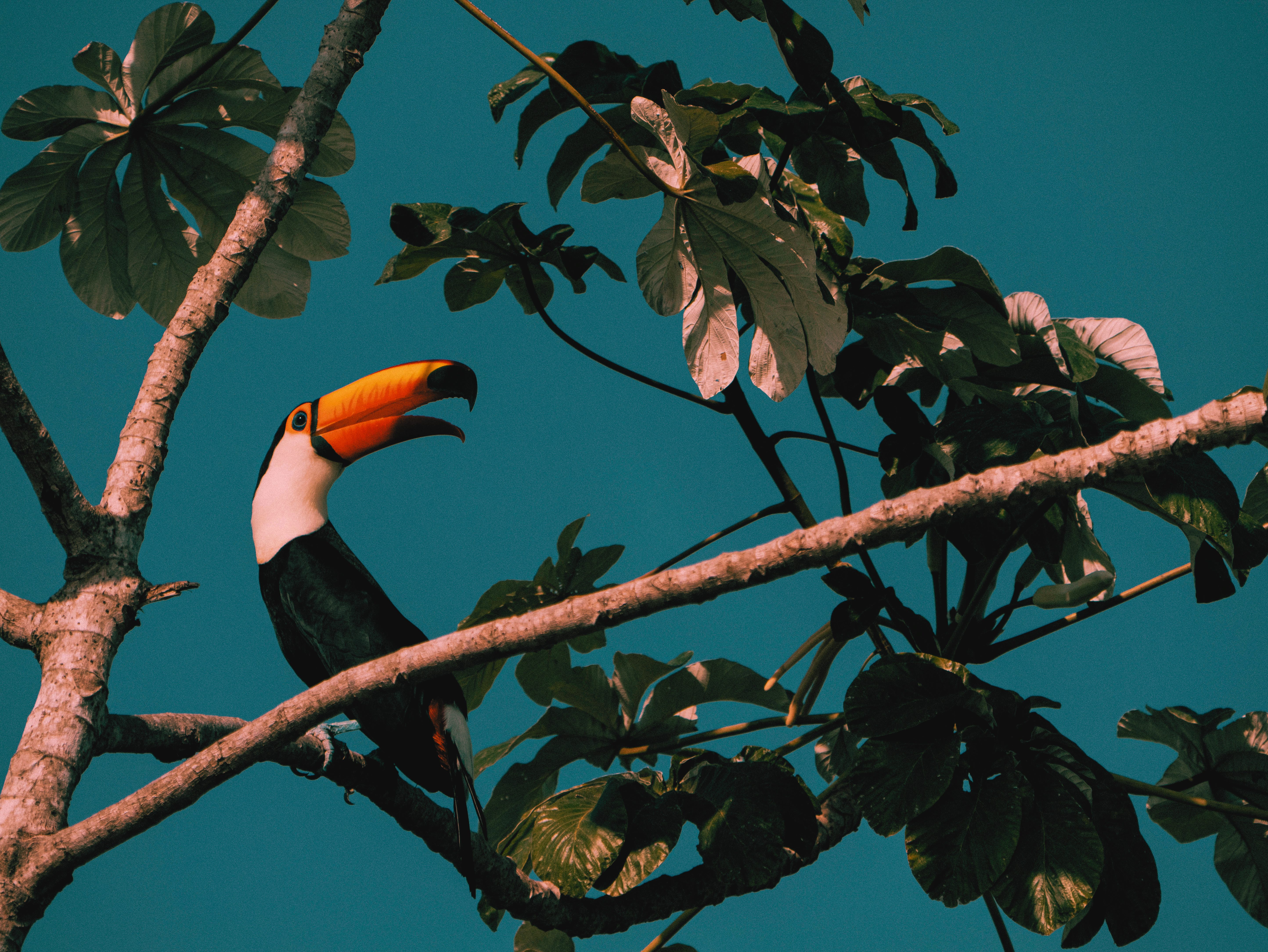
The average size of monitored wildlife populations declined by 73% between 1970 and 2022.
Most businesses would struggle to come back from a 73% decline in anything. Nature behaves differently. An ecosystem can keep functioning as its wildlife populations shrink, so the damage isn’t felt straight away. Push it too far, though, and it can tip into a state it may not recover from. WWF treats the 73% figure as an early warning sign for this reason. Falling wildlife numbers show the ecosystems businesses depend on losing their health before those ecosystems stop working.
If wildlife populations continue to decline, we are putting our global life-support system at extreme risk. That system includes the pollinators, healthy soils, clean water, and fish stocks that much of the economy runs on. According to the World Economic Forum, $44 trillion of economic value, over half of global GDP, depends moderately or highly on nature. Construction, agriculture, and food and drink are the most exposed industries. As those ecosystems weaken, raw materials get scarcer and supply chains less reliable. Businesses pass the extra costs on, and households end up paying more for food and other everyday goods.
Where wildlife population decline is steepest
Wildlife population decline is not uniform across the biosphere. Some of the worst losses have occurred in the places that are least visible to us.
The steepest losses are in rivers, lakes, and wetlands. Average monitored populations have fallen by these amounts in each type of ecosystem:
- Freshwater: 85%
- Terrestrial (land-based): 69%
- Marine: 59%
The decline also varies significantly by region:
- Latin America and the Caribbean: 95%
- Africa: 80%
- Asia-Pacific: 49%
- North America: 28%
- Europe and Central Asia: 23%
The smaller declines in Europe and North America might look encouraging. Unfortunately, much of the major ecological damage in these regions had already occurred before the 1970 baseline.
Everyday economic activity drives most biodiversity loss
According to WWF, habitat loss and degradation is the most frequently reported threat to monitored wildlife populations, driven largely by agricultural expansion. Overexploitation, such as overfishing and hunting, comes second. Climate change, pollution, invasive species, and disease add further pressure.
Much of this pressure comes from everyday economic activity. For instance, agriculture expands into natural habitats, forestry alters an entire ecosystem, new roads fragment existing habitats, or runoff from using fertilisers in agriculture pollutes rivers and wetlands.
Procurement, land management, infrastructure, sourcing, and investment are all legitimate parts of running a business. Each can also damage wildlife. Until recently, that damage to wildlife and ecosystems was rarely considered, so it built up largely unaccounted for.
Losing wildlife can change how entire ecosystems work
Each individual species within an ecosystem can decline without the entire system failing. That resilience comes from overlap. Most ecological jobs, such as recycling waste, spreading seeds, or clearing trees for new growth, are done by more than one species. When one declines, others can partly fill the gap. As more species decline together, fewer remain to cover each job, and the ecosystem starts to lose the functions it depends on.
Take large fruit-eating animals like tapirs, toucans, and large primates in Brazil’s Atlantic Forest. Their role in the ecosystem is seed dispersal. They’re among the few animals able to swallow and spread large seeds, and many large-seeded trees are tall, dense hardwoods. As these animals decline, those trees struggle to regenerate, and smaller, lighter-wooded trees gradually take their place. Losing that single function changes what kind of forest grows. Researchers measured one result: the forest stores less carbon.
Reversing biodiversity loss means changing food, energy, and finance
Destroying nature often pays in the short term. Clearing land for crops or overfishing earns money now. The costs, such as depleted fish stocks, degraded soils, and polluted water, arrive later and often fall on someone else. While that imbalance holds, the incentives favour further destruction.
Only by baking the long-term costs into current activities can we reduce that destruction. The Living Planet Report 2026 identifies three systems driving most of the damage: food, energy, and finance. Energy has already passed a positive tipping point, with solar and wind displacing fossil fuels. In food, WWF points to overhauling agricultural subsidies and shifting to nature-positive farming. In finance, it calls for an end to investment in harmful activities and for nature loss to be treated as a material financial risk. WWF puts the annual biodiversity finance gap at $942 billion.
Commercial skills are a route into nature-positive careers
Protecting nature will require ecologists and conservationists. It will also require people who understand the commercial systems driving much of the damage.
Knowing how a supply chain fits together makes it possible to trace materials back to their source and find where the damage happens. Understanding how capital is allocated helps move money away from harmful projects. Experience planning infrastructure can keep roads and new developments from cutting habitats apart. The ability to turn ecological data into clear numbers helps businesses measure what they’re losing and decide what to change.
Some of the people best placed to slow wildlife decline may already be working inside the industries contributing to it.
They understand how decisions are made, where the money goes, and which incentives actually change behaviour. For anyone considering where their skills could have the greatest environmental impact, biodiversity is increasingly becoming a business problem as much as a conservation one.
FAQs
Got A Question?
Everything you need to know about impact careers, sustainable job opportunities and our talent network in one easy place.
Our House Views content library and Awareness to Action series share insights on sectors, roles and career moves. Many candidates use these resources to narrow their focus before speaking with us.
Because the numbers are clear. Green and transition sectors are growing faster than the rest of the economy, attracting capital, talent and innovation. Positioning yourself there is a commercial decision, not just a values one.
Awareness to Action is our interview and insight series. We speak with leaders across the impact economy and turn real conversations into practical guidance for careers, teams and capital.
Yes, we regularly feature impact investors, founders and sustainability leaders in interviews and House Views content. If you have something valuable to share with the impact economy, we would love to hear from you.