Impact Kryptonite: Purpose vs. Progress

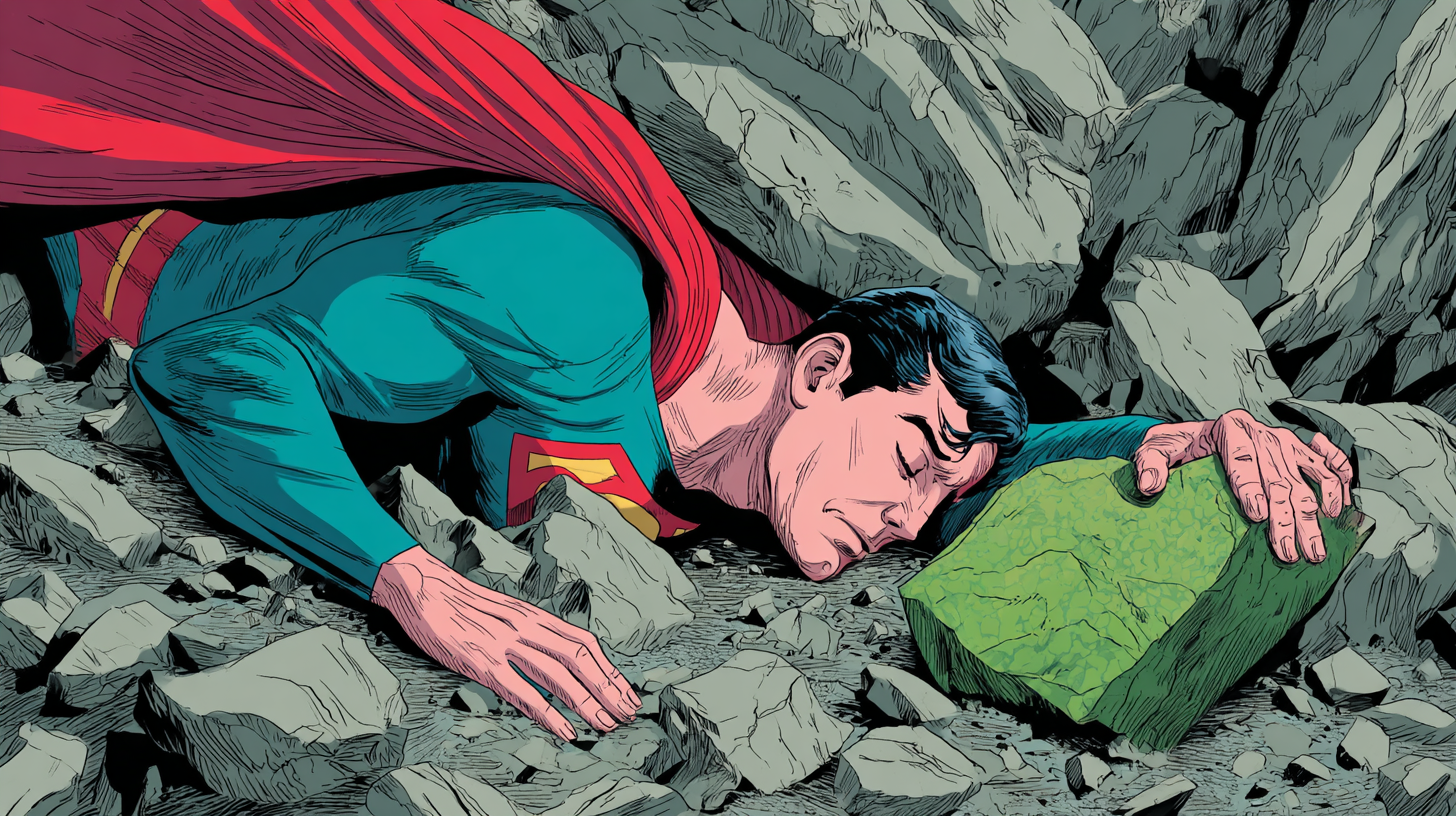
What if the very thing that powers your business; innovation to create impact, becomes the thing that holds you back? In the world of impact-driven scale-ups, mission is the engine that sparks early growth, attracts talent, and opens doors. But left unchecked, that same mission can quietly become “impact kryptonite,” a hidden liability that undermines commercial success and limits the very change you set out to create.
Let’s zoom out: why do so many impact scale-ups stall at the £5–20m mark? It’s not lack of ambition or talent. It’s the trap of mistaking early validation for real traction, and passion for repeatable execution. Drawing on a candid conversation with a leader who has navigated both global FMCG giants and high-growth impact ventures, here’s what really derails purpose-led businesses and how to avoid it.
The Double-Edged Sword of Impact
Early on, mission is magnetic. It attracts early adopters, secures initial funding, and gets corporates knocking. But here’s the catch: big companies often engage with impact ventures for PR, not partnership. They will sponsor pilots or allocate small budgets to tick a sustainability box, not because they see long-term value. If you mistake these “false market positives” for genuine demand, you risk building on sand.
This is especially dangerous as you scale. The temptation is to chase every shiny opportunity, mistaking logos for loyalty. Resources get spread thin, teams pulled in too many directions, and momentum stalls before you hit real scale.
The Human Element: From Firestarters to Engine Builders
Mission-driven teams are brilliant at starting fires, launching new initiatives, and chasing the next big idea. But scaling requires building engines: discipline, focus, and repeatable delivery. The hardest shift is moving from passion projects to operational excellence. Early team members may push for more impact initiatives, but without commercial discipline, the business loses focus and stalls.
Map your team’s strengths against what the business needs now. Who is best placed to drive scale? Who might thrive in new, more entrepreneurial roles? Sometimes, the right move is upskilling, sometimes it’s a respectful transition to a new role, or even a graceful exit.
Three Ways to Avoid the Kryptonite Trap
- Say no to “goodwill” work. If a pilot or partnership does not have a clear path to scale, it is a distraction. Prestige logos and short-term revenue are seductive, but if they do not lead to repeatable, paying customers, they are not building your business.
- Professionalise without losing soul. Structure, feedback, and honest conversations are not the enemy of purpose; they are what enable it to scale. As you grow, invest in performance management, personal development, and clear role transitions. The “purity” of impact may feel less direct, but the quantum of impact grows as your reach expands.
- Secondments and advisory roles to and from traditional corporates are not just a nice-to-have; they are a shortcut to embedding commercial DNA. Many experienced professionals want to make a difference but hesitate to leap into the unknown. Structured secondments let them bring operational expertise to scale-ups, while corporates retain talent and gain fresh perspective. Design these programmes with clear value for all parties and a pathway for return or transition.
Red Flags: Are You Falling Into the Trap?
- You are chasing every partnership, not building a repeatable business.
- Your team is stretched across too many “impact” projects, with little focus on core delivery.
- You are hiring for passion, not for the skills needed to scale.
- You are mistaking PR-driven pilots for real market traction.
Purpose is your engine, but discipline is your steering wheel. Without both, you will end up in a ditch.
The Result: Purpose at Scale
When impact-driven businesses embrace commercial discipline and invest in the evolution of their teams, they unlock the ability to scale sustainably and maximise their net positive effect on the world. This is not about abandoning the mission; it is about delivering on it at a much greater scale.
- Companies that focus on repeatable, scalable services attract genuine customers, secure long-term revenue, and build resilient business models.
- Teams that evolve with the business, through upskilling, role transitions, or respectful exits, maintain momentum and avoid stagnation.
- Cross-sector secondments and advisory roles create new pathways for talent to flow into impactful business models.
The journey from startup to scale-up is a test of both purpose and pragmatism. The most impactful companies hold both in balance, staying true to their mission while making the tough choices required for commercial success.
Curious if your business is at risk of “impact kryptonite”? Get in touch with House of Impact to discuss how our advisory team can help you turn purpose into scalable, lasting impact.
FAQs
Got A Question?
Everything you need to know about impact careers, sustainable job opportunities and our talent network in one easy place.
Our House Views content library and Awareness to Action series share insights on sectors, roles and career moves. Many candidates use these resources to narrow their focus before speaking with us.
Because the numbers are clear. Green and transition sectors are growing faster than the rest of the economy, attracting capital, talent and innovation. Positioning yourself there is a commercial decision, not just a values one.
Awareness to Action is our interview and insight series. We speak with leaders across the impact economy and turn real conversations into practical guidance for careers, teams and capital.
Yes, we regularly feature impact investors, founders and sustainability leaders in interviews and House Views content. If you have something valuable to share with the impact economy, we would love to hear from you.