Aligning Passion and Profession: Esteban's Shift to Decarbonisation
Esteban reveals how he transitioned from leveraged finance into industrial decarbonisation and clean mobility investing.

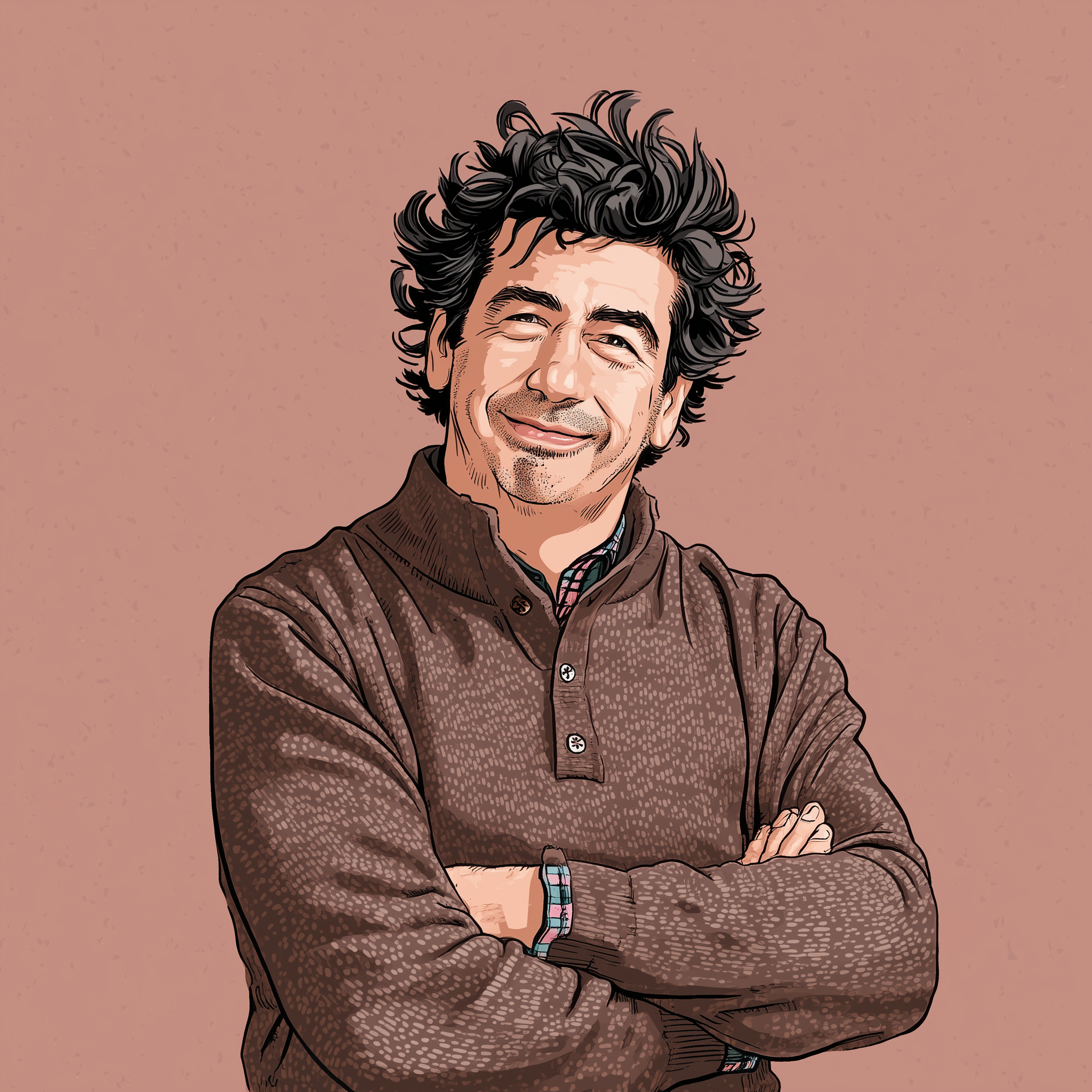

Irena Badelska

Christian Lassen

Leo Rayman
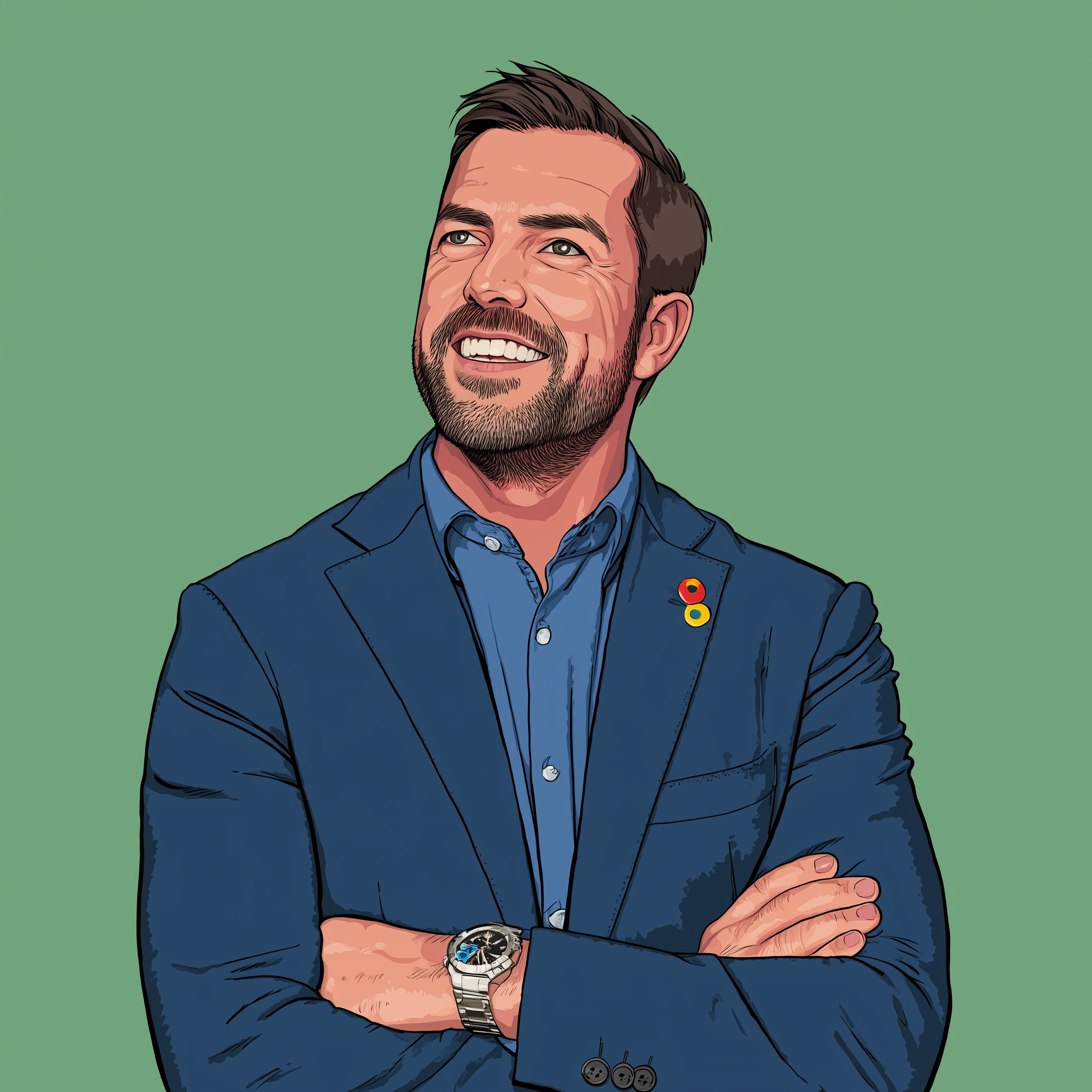
Rob Gardner
Esteban Abad - Co-Founder & Partner, Radia Capital
When did you first decide to pivot your career towards impact?
After fifteen years in leveraged finance and asset management, during my nine-month sabbatical, I was reflecting on wanting something more meaningful than the traditional private credit fund opportunities being offered to me.
What did you do next?
I was approached by a headhunter for Generation Investment Management's new credit fund, which aligned my commercial skills with sustainability interests, leveraging my existing experience in a new context with purpose.
What are you doing now?
I'm raising an industrial decarbonization growth equity fund targeting high-polluting sectors in Europe, serving as senior advisor to Spanish impact fund CREAS, and sitting on boards of sustainable mobility and agri-tech companies.
What advice would you give looking back at that moment or realization now?
I should have thought more proactively and sooner about aligning my passions with my day job; I wouldn't let industry inertia prevent me from seeking more meaningful, aligned opportunities.
Key Quote
"I should have been thinking a little bit more, and a bit more proactively... to say, okay, so can I find a job where I can align with some of my passions."
Career Summary
Esteban Abad's career began in leveraged finance and asset management, with seven years in banking followed by eight years at a European fund. Despite professional success, Esteban's long-standing interest in nature and sustainability remained largely dormant during his first fifteen years in finance. The turning point came during a nine-month sabbatical, where travel and reflection prompted him to seek greater meaning in his work. During this period, Esteban was approached by a headhunter for a new credit fund at Generation Investment Management, a firm known for its sustainability focus. This opportunity allowed him to leverage his commercial skills in a context aligned with his values. At Generation, Esteban embraced a long-term investment mindset and deepened his understanding of sustainability trends. Today, he is raising an industrial decarbonization growth equity fund targeting high-polluting sectors in Europe, serves as a senior advisor to Spanish impact fund CREAS, and sits on the boards of sustainable mobility and agri-tech companies. Esteban's advice is to proactively align passions with professional roles and not let industry inertia prevent meaningful change. His journey illustrates the power of reflection, timing, and leveraging existing expertise for impact.
From Awareness to Action: Esteban Abad's Career Pivot - Interview Analysis
Deeper Insights from the Interview
Esteban Abad's journey from leveraged finance to impact investing is a nuanced case study in professional reinvention, driven by both internal reflection and external opportunity. His story is emblematic of a growing trend among senior finance professionals: the search for meaning beyond commercial success, and the willingness to leverage established expertise for broader societal benefit.
Motivations and Mindset Shifts
Esteban's early passion for nature, though dormant during his first fifteen years in finance, was a latent driver that surfaced during a pivotal sabbatical. This period of intentional pause-nine months of travel and reflection-was not just a break, but a structured opportunity to reassess values and long-term goals. The interview reveals that Esteban's decision to pivot was not triggered by a single event, but by a gradual realization that professional fulfillment required deeper alignment with personal passions.
His mindset shift was catalyzed by two factors: the fatigue of "more of the same" in traditional finance, and the recognition that his commercial skills could be repurposed for impact. The sabbatical created space for this realization, but it was the approach from a headhunter for Generation Investment Management that provided the concrete pathway. This highlights a key lesson: career pivots often require both self-initiated reflection and openness to serendipitous opportunities.
Decision-Making and Trade-Offs
Esteban faced a classic fork in the road: return to a familiar, low-risk role in private credit, or embrace the uncertainty of a new, purpose-driven context. The interview surfaces the psychological tension between comfort and growth. While the mainstream option promised stability, it lacked the sense of renewal and alignment he sought. The move to Generation was not without risk-new sector, new expectations, and a need to prove both technical and cultural fit. Yet, Esteban's willingness to "demonstrate potential" and adapt his deal-making skills to a sustainability context was central to his successful transition.
Trade-offs included leaving behind established networks and the predictability of traditional finance. There was also a learning curve in adopting a long-term, sustainability-focused investment mindset. However, Esteban's story suggests that the perceived risks were mitigated by the excitement of contributing to systemic change and the satisfaction of aligning work with values.
Broader Market Context
Esteban's journey mirrors a wider movement in the finance sector, where professionals are increasingly seeking roles that blend commercial acumen with impact. The rise of funds like Generation Investment Management, and the growing focus on industrial decarbonization, reflect a market that now values sustainability expertise as much as financial engineering. Esteban's ability to leverage his deal-making background in a new context is a blueprint for others considering similar transitions.
Practical Strategies and Toolkit for Career Changers
Structured Reflection: Use sabbaticals or intentional breaks to reassess career direction and clarify values.
Leverage Existing Skills: Identify how your core competencies (e.g., deal structuring, network building) can be applied in impact-driven sectors.
Openness to Opportunity: Stay receptive to headhunters, new roles, and emerging sectors-even if they seem outside your comfort zone.
Demonstrate Cultural Fit: In interviews, emphasize not just technical skills but also alignment with the mission and values of the organization.
Proactive Networking: Engage with sustainability-focused funds, attend industry events, and seek advisory roles to build credibility in the new sector.
Emotional and Psychological Aspects
Esteban's story is also about overcoming inertia and the subtle pressures of industry norms. The interview reveals moments of doubt and the challenge of leaving a well-trodden path. Yet, the ultimate reward was a renewed sense of purpose and the ability to contribute to causes he cared about since childhood. The emotional journey-from uncertainty to conviction-underscores the importance of courage and self-belief in career pivots.
Forward-Looking Perspective
Esteban's experience suggests that the future of impact careers will be shaped by professionals who combine deep sector expertise with a willingness to adapt and learn. As the sustainable economy grows, the demand for leaders who can bridge traditional finance and impact investing will only increase. For readers, the key takeaway is to start aligning passions with professional roles sooner, to seek out organizations that value both potential and purpose, and to view career transitions as opportunities for both personal and systemic transformation.
Actionable Insights for Readers:
Take time for structured reflection-don't wait for burnout to reassess your path.
- Take time for structured reflection-don't wait for burnout to reassess your path.
- Map your existing skills to the needs of the impact sector.
- Be proactive in seeking out and signaling your interest in purpose-driven roles.
- Prepare to articulate both your technical and cultural fit in interviews.
- Embrace the learning curve and the emotional journey-meaningful change is rarely linear.
Esteban's journey is a testament to the power of aligning commercial expertise with personal values, and a call to action for others to pursue impact with intention and courage.