Firing Bullets Before Cannonballs: Rob's Move into Nature Restoration Finance
Rob explains how he left mainstream finance to co-found Rebalance Earth and fund biodiversity at scale.
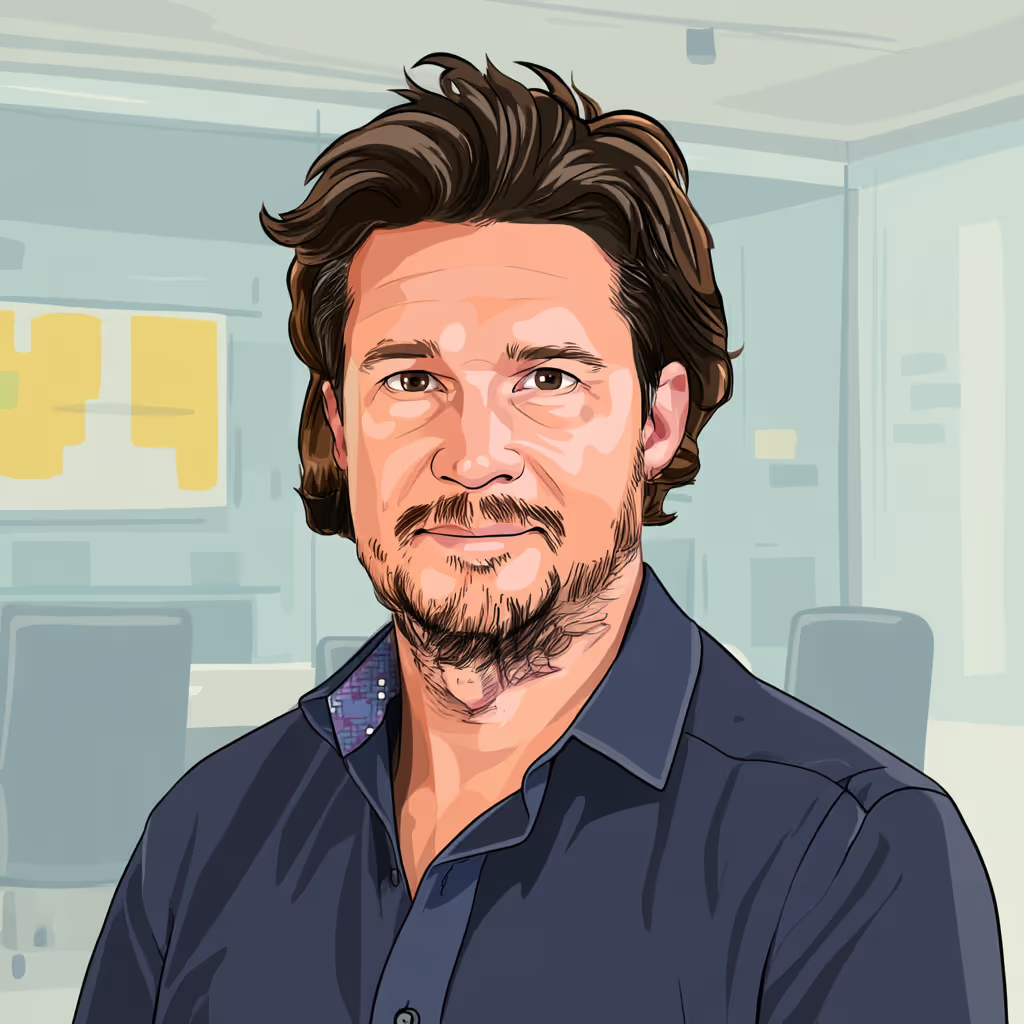
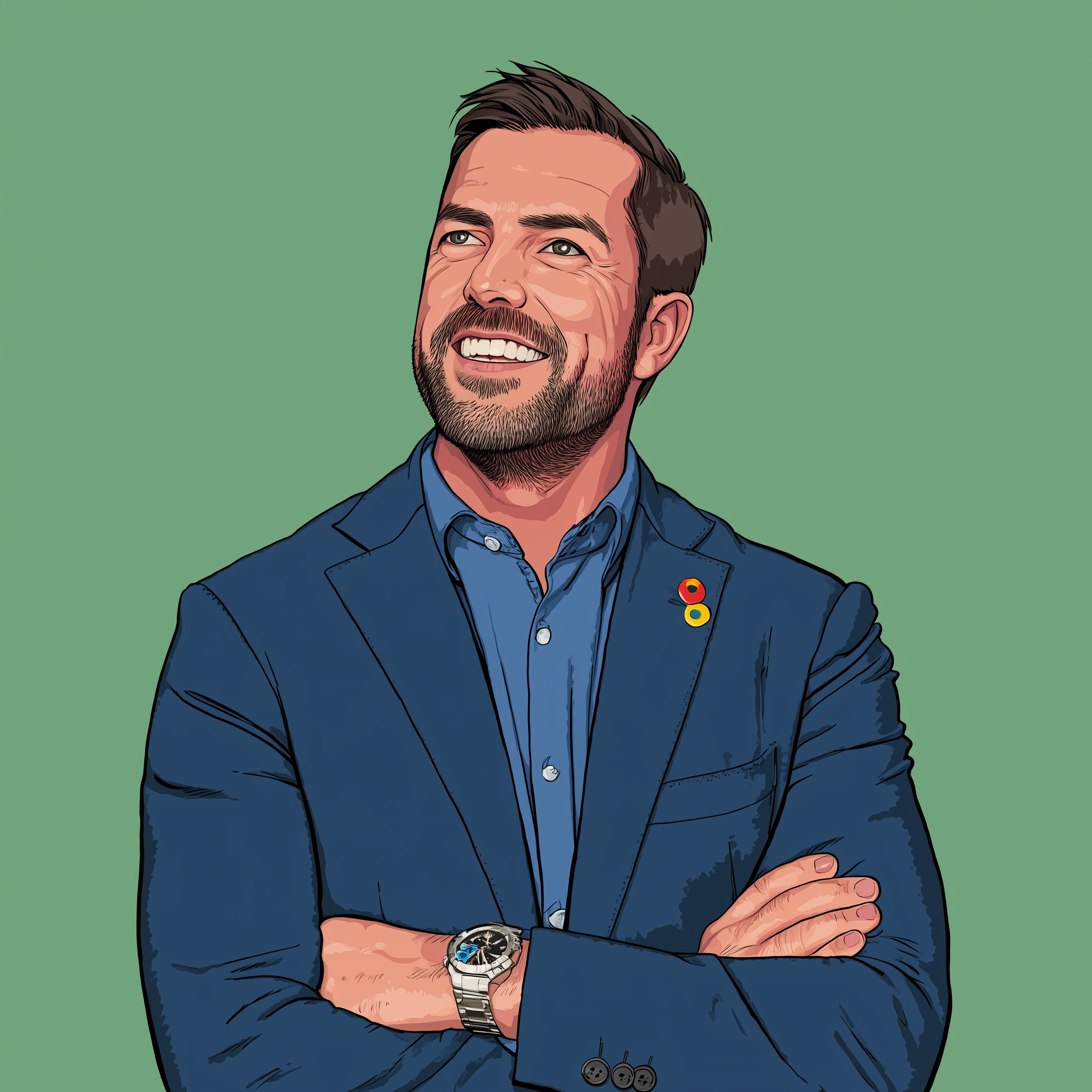

Irena Badelska

Christian Lassen

Leo Rayman
Rob Gardner
Interview Summary & Key Insights
When did you first decide to pivot your career towards impact?
I had always tried to be purpose-driven, but at COP26 in 2021, I realised that climate was much more than net zero and renewable energy; I fundamentally recognised the massive nature degradation and the possibilities for restoration.
What did you do next?
I invested in climate/nature startups, read extensively, listened to podcasts, and gave myself about a year of preparation before making the leap.
What are you doing now?
I'm co-founder of Rebalance Earth, a fund manager investing in UK nature restoration at scale to deliver climate resilience to companies. We've launched our first £25 million seed portfolio (in June), and are raising £150 million by the end of the year.
What advice would you give looking back at that moment or realisation now?
I'd tell myself to fire bullets before cannonballs, get buy-in from affected family members, do a pre-mortem on what could go wrong, and set time boundaries for proving success.
Career Summary
Rob Gardner's career has always been purpose-driven, with a focus on financial well-being. At St James's Place, he embedded responsible investing, but it was at COP26 in 2021 that he recognized the scale of nature degradation and the need for restoration. Rob invested in climate and nature startups, undertook extensive research, and gave himself a year to prepare for a full transition. He is now co-founder of Rebalance Earth, a fund manager investing in UK nature restoration to deliver climate resilience. Rob's advice is to "fire bullets before cannonballs," secure family buy-in, and set time boundaries for proving success. His story illustrates the importance of preparation, risk management, and a long-term vision for impact.
Companion Analysis: Lessons from Rob Gardner's Transition to Impact
Rob Gardner's journey from mainstream finance to co-founding Rebalance Earth offers a nuanced roadmap for professionals contemplating a pivot into the impact sector. His story is not one of sudden revelation, but of deliberate, strategic evolution-marked by self-education, calculated risk-taking, and a deep sense of personal responsibility.
Motivations and Mindset Shifts
Rob's motivation to shift was rooted in a longstanding desire to align his work with purpose, but the catalyst was a moment of clarity at COP26. There, he recognized that the climate crisis extended far beyond carbon and energy, encompassing the urgent need for nature restoration. This realization reframed his understanding of impact, moving from incremental change within existing systems to systemic transformation through new ventures.
A key mindset shift was the acceptance that meaningful change required stepping outside established comfort zones. Rob's approach was not impulsive; instead, he methodically prepared for the transition, reflecting a blend of optimism and pragmatism. He acknowledged the emotional weight of leaving a secure, successful career, but was driven by a desire to avoid future regret and to be able to answer, "What did I do?" when looking back years from now.
Decision-Making and Preparation
Rob's process was characterized by what he calls "firing bullets before cannonballs"-testing ideas and building knowledge before making a major commitment. He invested in climate and nature startups, consumed books and podcasts, and sought out mentors. This period of exploration allowed him to calibrate his direction, reduce risk, and build conviction.
He also emphasized the importance of family buy-in and personal risk management. Recognizing the financial and emotional implications of a career pivot-especially with family and mortgage obligations-he advocated for open dialogue and shared decision-making at home. This approach reflects a broader trend among mid- to late-career professionals, who must balance impact ambitions with practical life responsibilities.
Navigating Trade-Offs
Rob's transition was not without trade-offs. He candidly discussed the challenges of leaving a stable income, the uncertainty of startup life, and the need to manage cash flow. He highlighted the importance of setting time boundaries for success-essentially, giving himself a defined window to prove the new venture's viability. This strategy mitigates the risk of open-ended uncertainty and provides a framework for decision-making.
He also drew on the wisdom of mentors, using the question, "Is this a game worth playing, win, lose, or draw?" as a guiding principle. This framing helped him focus on the intrinsic value of the journey, rather than just the outcome.
Practical Strategies and Toolkit
Rob's experience yields several actionable insights for professionals considering a similar path:
Test Before You Leap: Start with small, low-risk experiments-investments, side projects, or advisory roles-to build knowledge and confidence before making a full transition.
Secure Stakeholder Buy-In: Engage family and close stakeholders early, ensuring alignment and support for the journey ahead.
Set Clear Boundaries: Define timeframes and success metrics for your transition, allowing for structured evaluation and course correction.
Invest in Self-Education: Immerse yourself in the sector through reading, podcasts, and networking to build both expertise and conviction.
Seek Mentorship: Leverage the experience of others who have navigated similar transitions to gain perspective and avoid common pitfalls.
Emotional and Psychological Dimensions
Rob's journey underscores the emotional complexity of career change. He spoke of the fear of regret, the challenge of balancing ambition with responsibility, and the satisfaction derived from pursuing a "game worth playing." His story highlights the importance of self-awareness, resilience, and the willingness to embrace uncertainty for a greater purpose.
Broader Market Context and Future Outlook
Rob's transition reflects a growing movement of experienced professionals moving from traditional sectors into impact-driven roles. The increasing visibility of climate and nature crises, combined with the maturation of the impact investment ecosystem, is creating new opportunities for those willing to bring their skills to bear on systemic challenges.
Looking ahead, Rob's experience suggests that the future of impact careers will favor those who combine rigorous preparation with bold action, who are willing to navigate trade-offs, and who find meaning in the journey as much as the destination.
Conclusion
Rob Gardner's path to co-founding Rebalance Earth is a testament to the power of intentionality, preparation, and values-driven leadership. For professionals considering a similar pivot, his story offers a practical, emotionally intelligent blueprint: test your ideas, secure your support system, set boundaries, and above all, choose a game worth playing-regardless of the outcome. The impact sector needs leaders who are both visionary and grounded, and Rob's journey exemplifies how to bridge that gap.