From Big Tech to Climate Innovation: Mark Hodgson's Path to Founding Earthbase
Mark describes his move from global tech leadership to launching Earthbase, an AI-powered climate innovation platform.
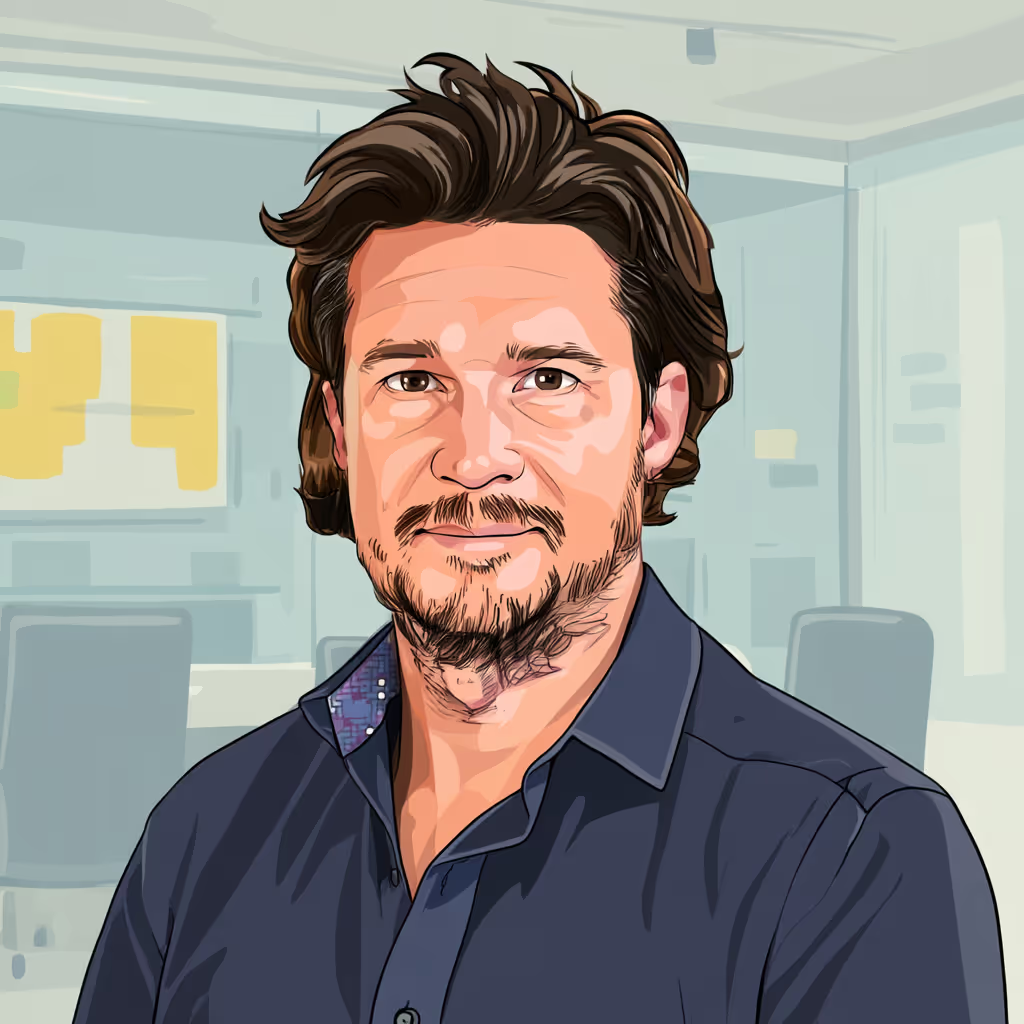
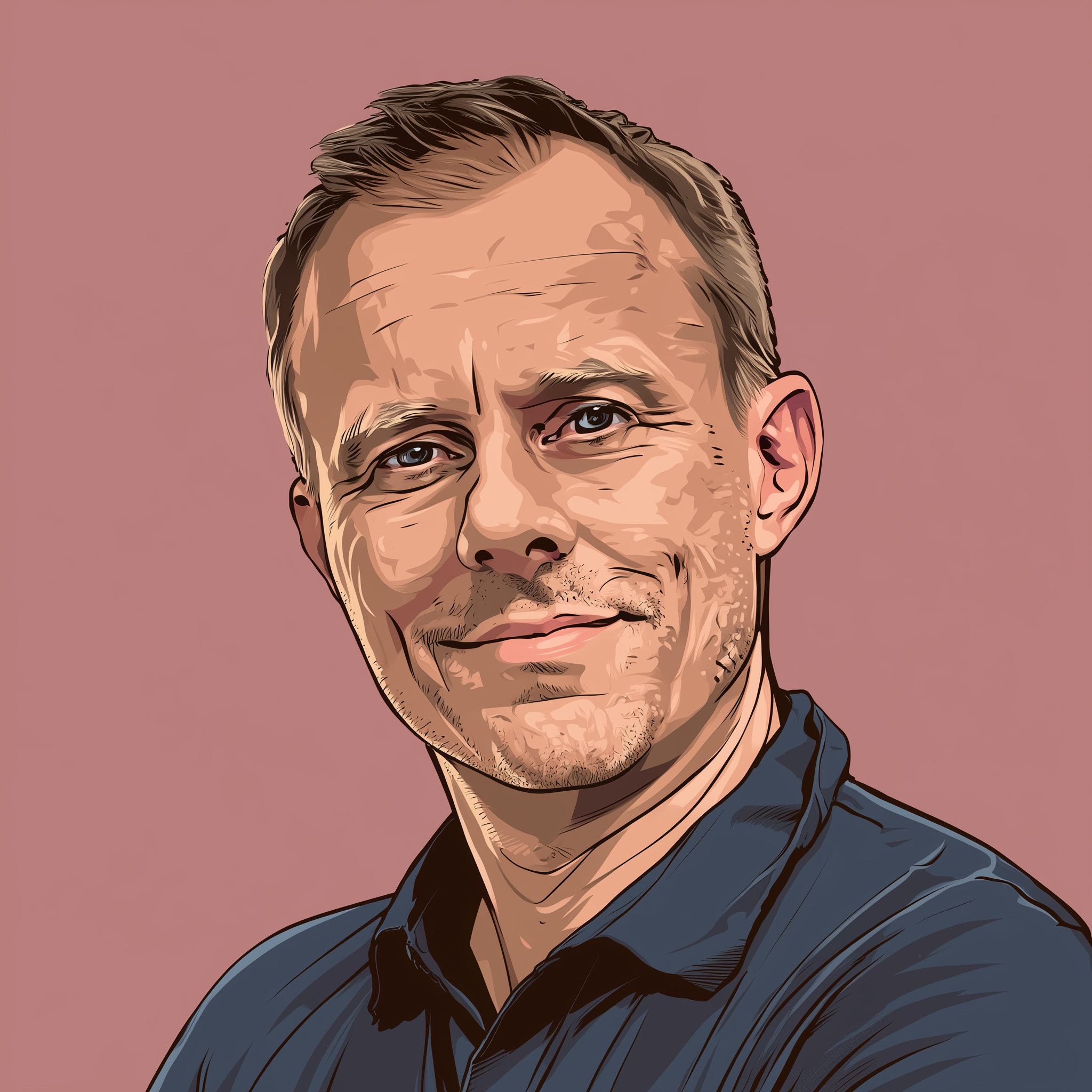

Irena Badelska

Christian Lassen

Leo Rayman
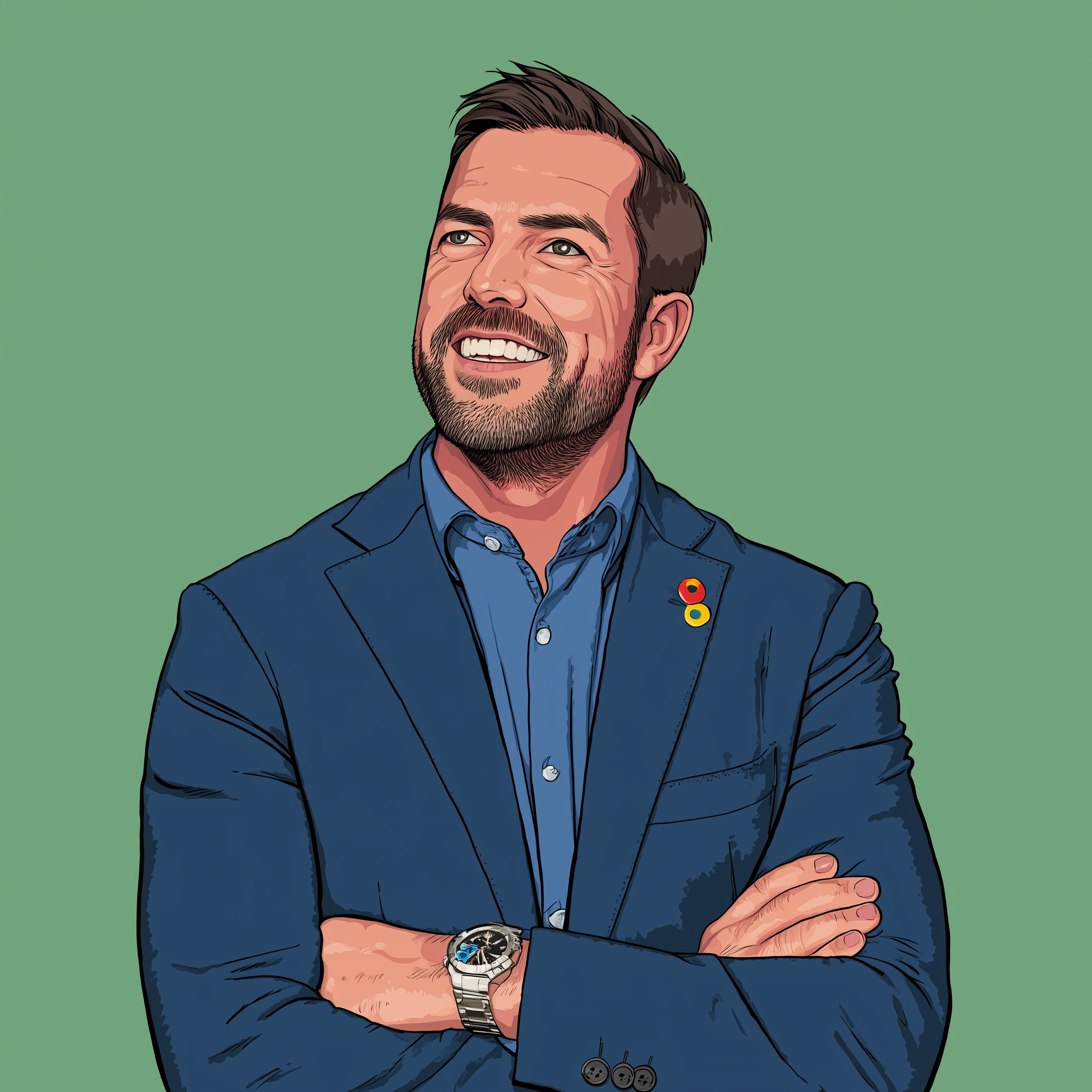
Rob Gardner
Interview Content
When did you first decide to pivot your career towards impact?
I reached my decision around 2015, after twenty years in global cloud and digital commercial roles, slowly realizing I wanted something more passionate and meaningful while integrating my long-standing interests in nature and conservation.
What did you do next?
I started looking at Google's internal jobs board, focusing on technologies solving decarbonization and sustainability problems, took advisory positions and made investments while transitioning gradually from my full-time corporate role.
What are you doing now?
I'm the founder of Earthbase, an AI-enabled platform accelerating commercialization of impact-driven innovations tackling climate, energy, natural resources and food security challenges through business risk evaluation and recommendations.
What advice would you give looking back at that moment or realization now?
I'd tell myself to have courage to move sooner, do proper due diligence on startups, utilize existing skills rather than relying on passion alone, and be open to steep learning curves.
Key Quote
"Have the courage to do it sooner. I always wanted to make this kind of impact, but I, for one reason or another, chose to wait until my early forties."
Career Summary
Mark Hodgson's journey is a classic example of a gradual, values-driven pivot from mainstream technology to impact entrepreneurship. With an MSc in Natural Resources, Mark's early interests lay in earth sciences, nature, and conservation, but his professional journey began with a twenty-year tenure in global cloud and digital commercial roles, including a significant period at Google.
Despite professional success, Mark felt a persistent pull toward integrating his passion for sustainability into his work. The conscious pivot came in February 2015. Rather than making a binary leap, Mark adopted a phased approach: he explored Google's internal jobs board for roles focused on decarbonization and sustainability, took on advisory positions, and made angel investments in impact-driven startups. This period of experimentation allowed him to build familiarity with the impact ecosystem while maintaining the security of a full-time role.
Ultimately, Mark founded Earthbase, an AI-enabled platform designed to accelerate the commercialization of innovations tackling climate, energy, natural resources, and food security challenges. Earthbase reflects both his technical expertise and his commitment to environmental solutions. Mark's advice to others is to move sooner, leverage existing skills, and be open to learning curves-emphasizing that the journey to impact is rarely linear but deeply rewarding.
Companion Analysis
Deeper Insights & Patterns
Mark Hodgson's transition from a high-profile technology career to founding Earthbase is emblematic of a growing trend: experienced professionals in mainstream sectors are increasingly seeking purpose-driven work that aligns with their values. Mark's journey was not a sudden leap but a carefully managed, phased transition-an approach that is becoming more common among senior professionals wary of financial and reputational risk.
A key insight is the importance of "testing the waters" before fully committing. Mark's use of internal job boards, advisory roles, and angel investments allowed him to build sector knowledge, networks, and confidence. This incremental approach mitigated risk and provided a learning runway, which is especially relevant for those with established careers and responsibilities.
Motivations, Mindset Shifts & Decision-Making
Mark's motivation stemmed from a long-standing personal interest in nature and conservation, which eventually outweighed the satisfaction derived from commercial success alone. The realization that his skills could be applied to more meaningful challenges was a turning point. His mindset shifted from prioritizing career advancement and financial reward to seeking alignment between work and personal values.
The decision-making process was pragmatic: Mark did not abandon his corporate role immediately. Instead, he leveraged his existing position to explore new opportunities, demonstrating a blend of caution and ambition. This reflects a broader market trend where professionals are seeking "safe-to-fail" experiments before making a full pivot.
Trade-Offs & Navigation
Mark's journey involved several trade-offs. Financial security was balanced against the desire for impact; the comfort of established expertise was weighed against the challenge of steep learning curves in a new sector. He acknowledges the temptation to rely solely on passion, but his advice to leverage existing skills and conduct due diligence on startups is a critical lesson. The emotional challenge of overcoming inertia and the fear of starting over is palpable-Mark's regret at not moving sooner is a common refrain among career changers.
Practical Strategies & Toolkit
Phased Transition: Start with part-time advisory roles, internal projects, or investments to build sector knowledge and networks before making a full commitment.
Leverage Existing Skills: Identify how your current expertise can address challenges in the impact sector, rather than assuming you must start from scratch.
Due Diligence: Treat impact-driven startups with the same rigor as any commercial venture-research, validate, and assess risk before committing.
Embrace Learning Curves: Be prepared for rapid upskilling and a degree of discomfort as you adapt to new sector dynamics.
Emotional & Psychological Aspects
Mark's experience highlights the psychological hurdles of career change: fear of the unknown, concern over lost status, and the challenge of redefining professional identity. His advice to "have courage to do it sooner" speaks to the emotional cost of waiting. Building a support network and seeking mentors within the impact sector can help manage these transitions.
Forward-Looking Perspective
Mark's journey suggests that the future of impact careers will be shaped by professionals who bring deep commercial expertise to sustainability challenges. The market increasingly values hybrid leaders-those who can bridge the worlds of technology, business, and environmental impact. For readers, the key is to start exploring now, build relevant skills, and not wait for the "perfect" moment. The path may be non-linear, but the rewards-personal fulfillment, societal contribution, and professional growth-are significant.
Actionable Insights for Career Changers:
Start small, but start now-advisory roles and side projects can be powerful entry points.
Map your skills to impact sector needs; don't underestimate the value of your commercial experience.
Build resilience for the inevitable learning curve and identity shift.
Seek out communities and mentors who have made similar transitions.
Conclusion:Mark Hodgson's story is a testament to the power of aligning career with purpose. His journey offers a practical, risk-aware roadmap for others considering a similar pivot-one that balances ambition with pragmatism, and passion with preparation. The future of impact work will be shaped by those willing to bridge their expertise with their values, and to act with both courage and strategy.