Financing the Energy Transition: Christoph's Path into Climate Investing
Christophe explains how he moved from private equity into climate investing focused on the energy transition.



Irena Badelska

Christian Lassen

Leo Rayman
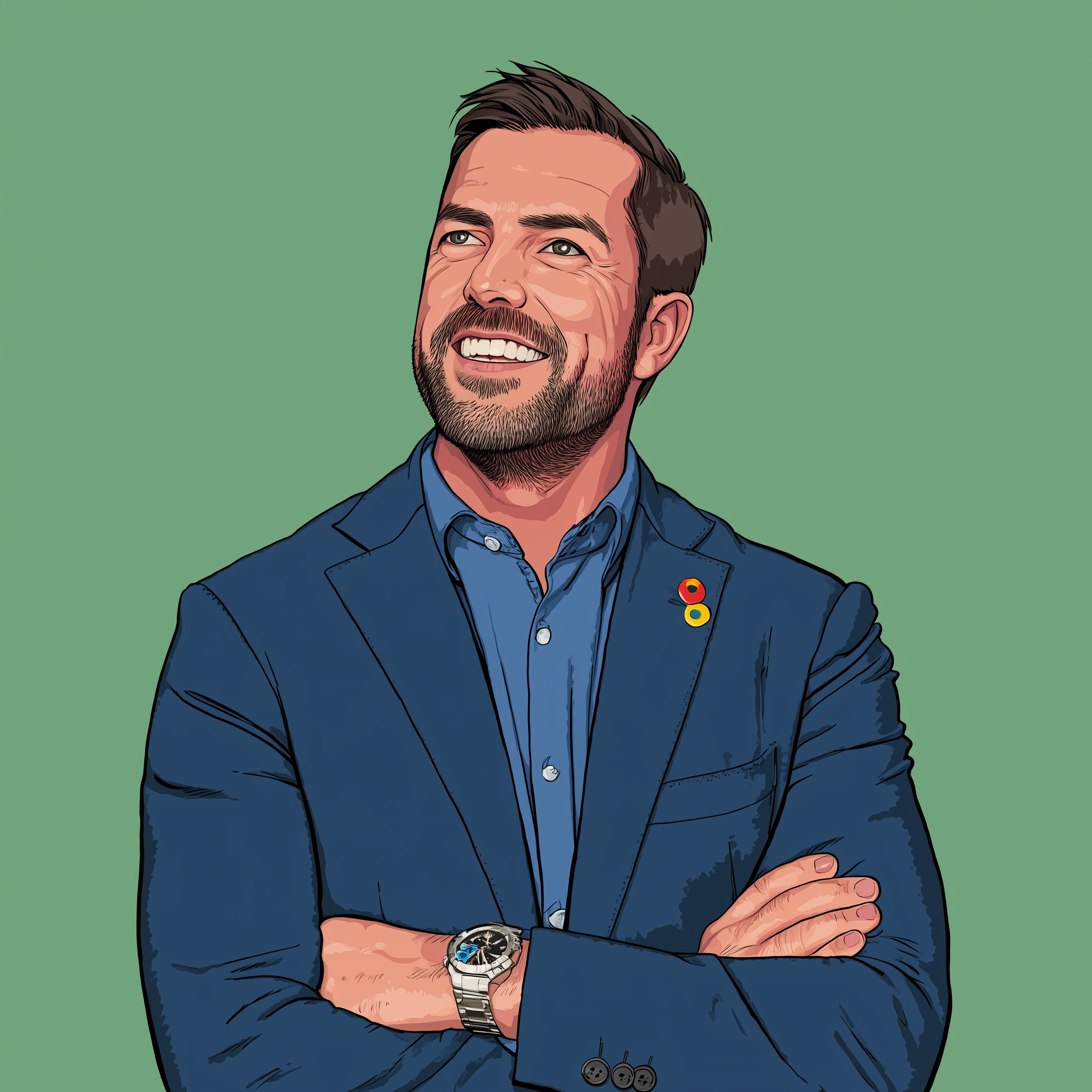
Rob Gardner
A2A Career Transition Analysis
When did you first decide to pivot your career towards impact?
My turning point came during private equity work around 2005, when I was analyzing a UK coal-fired power plant's transition to biomass, discovering the emerging clean energy sector and feeling a sense of purpose beyond financial returns.
What did you do next?
I went to Wharton business school, majored in operational management, joined the energy club, networked with industry professionals, and eventually joined Centrica through alumni connections in their M&A team.
What are you doing now?
I'm leading a climate early growth strategy at Bridges Fund management, which I launched after developing a corporate VC strategy at Centrica, focusing on investing in energy transition and climate solutions.
What advice would you give looking back at that moment or realization now?
I'd tell myself to find something more than a financial means of earning; have a general blueprint but stay flexible; ensure your story makes sense as it helps you sell yourself to others.
Key Quote
"The story you tell yourself has to make sense because whatever story you tell yourself, that's the way you're going to sell it to other people too."
Career Summary
Christophe Defert's journey began with a liberal arts degree, majoring in economics, which led him into investment banking and then private equity. Early in his career, Christophe worked on the potential acquisition of the UK's largest coal-fired power plant. The project's focus on transitioning from coal to biomass exposed him to the emerging clean energy sector and sparked a sense of purpose beyond financial returns. This experience, around 2005, was pivotal. Christophe realized he wanted to specialize in the energy transition, drawn by the sector's complexity and geopolitical significance. To facilitate this shift, he pursued an MBA at Wharton, majoring in operational management and immersing himself in the energy club and industry networks. Post-MBA, Christophe joined Centrica, a major UK energy company, to gain operational experience from within the industry. He later developed a corporate VC strategy at Centrica, focusing on energy transition investments, before moving to the investment management sector to lead a climate early growth VC fund. Christophe's advice is to seek more than financial gain, maintain flexibility, and ensure your personal narrative makes sense-because it's the story you'll share with others. His career demonstrates the value of combining sector expertise, operational insight, and a clear sense of purpose.
Companion Analysis: Lessons from Christophe Defert's Transition
Christophe Defert's career arc offers a nuanced blueprint for professionals contemplating a move from traditional finance to impact-driven roles. His journey is marked by a series of intentional pivots, each informed by a growing awareness of the intersection between commercial opportunity and societal value.
Motivations and Mindset Shifts
Christophe's initial exposure to the energy transition-specifically, the conversion of a coal-fired power plant to biomass-was more than a technical project; it was a catalyst for re-evaluating the purpose of his work. This moment of clarity, emerging from the routine of private equity analysis, highlights how direct engagement with real-world sustainability challenges can awaken a deeper sense of mission. Rather than a sudden leap, his pivot was a gradual alignment of personal values with professional ambition.
His decision to pursue an MBA at Wharton was both a strategic reset and a means to immerse himself in the operational realities of the energy sector. This period of reflection and re-skilling is a common pattern among career changers, providing both the credentials and the confidence to enter new domains.
Navigating Trade-Offs and Compromises
Christophe's path was not without its trade-offs. Leaving a well-trodden path in private equity for the less certain world of energy transition required both courage and a willingness to embrace ambiguity. The move to business school entailed opportunity costs-time, financial investment, and the risk of stepping off a lucrative trajectory. Yet, by leveraging his existing skills and networks, he mitigated these risks, using each step as a platform for the next.
His advice to maintain a "general blueprint" but remain flexible is instructive. The impact sector is dynamic, and rigid plans can quickly become obsolete. Christophe's openness to evolving opportunities-first in corporate M&A, then in corporate venture capital, and finally in asset management-demonstrates the value of adaptability.
Practical Strategies and Frameworks
Several practical strategies emerge from Christophe's experience:
Leverage Transitional Spaces: Business school, industry clubs, and alumni networks served as bridges between sectors, providing both knowledge and access.
Seek Operational Insight: Moving from financial analysis to operational roles deepened his understanding of the sector and increased his credibility.
Craft a Coherent Narrative: Christophe emphasizes the importance of a personal story that "makes sense"-not just for oneself, but for external stakeholders. This narrative coherence is vital in interviews, networking, and leadership.
Emotional and Psychological Dimensions
The emotional journey is as significant as the professional one. Christophe's story reflects the challenge of leaving behind established identities and the inertia of traditional career paths. Overcoming this inertia required not just intellectual conviction, but also the courage to pursue work that felt meaningful-even if it meant starting anew in some respects.
His reflection on the importance of purpose-finding "something more than just a financial means of earning a living"-speaks to the psychological rewards of impact work. This sense of alignment can sustain professionals through periods of uncertainty and transition.
Toolkit for Career Changers
Identify Catalytic Experiences: Seek out projects or roles that expose you to the realities of impact sectors.
Invest in Re-Skilling: Use formal education or structured learning to bridge knowledge gaps and gain credibility.
Build and Articulate Your Story: Develop a narrative that connects your past experience to your future ambitions, making it easy for others (and yourself) to understand your journey.
Forward-Looking Perspective
Christophe's experience is emblematic of a broader trend: the migration of talent from traditional finance to sectors where commercial success and societal impact are intertwined. As the sustainable economy grows, such transitions will become more common-and more necessary. The future belongs to those who can combine sector expertise, operational insight, and a compelling sense of purpose.
For professionals considering a similar move, the lesson is clear: embrace flexibility, invest in your own development, and ensure your story is both authentic and coherent. The impact sector rewards those who can navigate complexity with both head and heart.