AI Could Double Data Centre Energy and Water Use by 2030

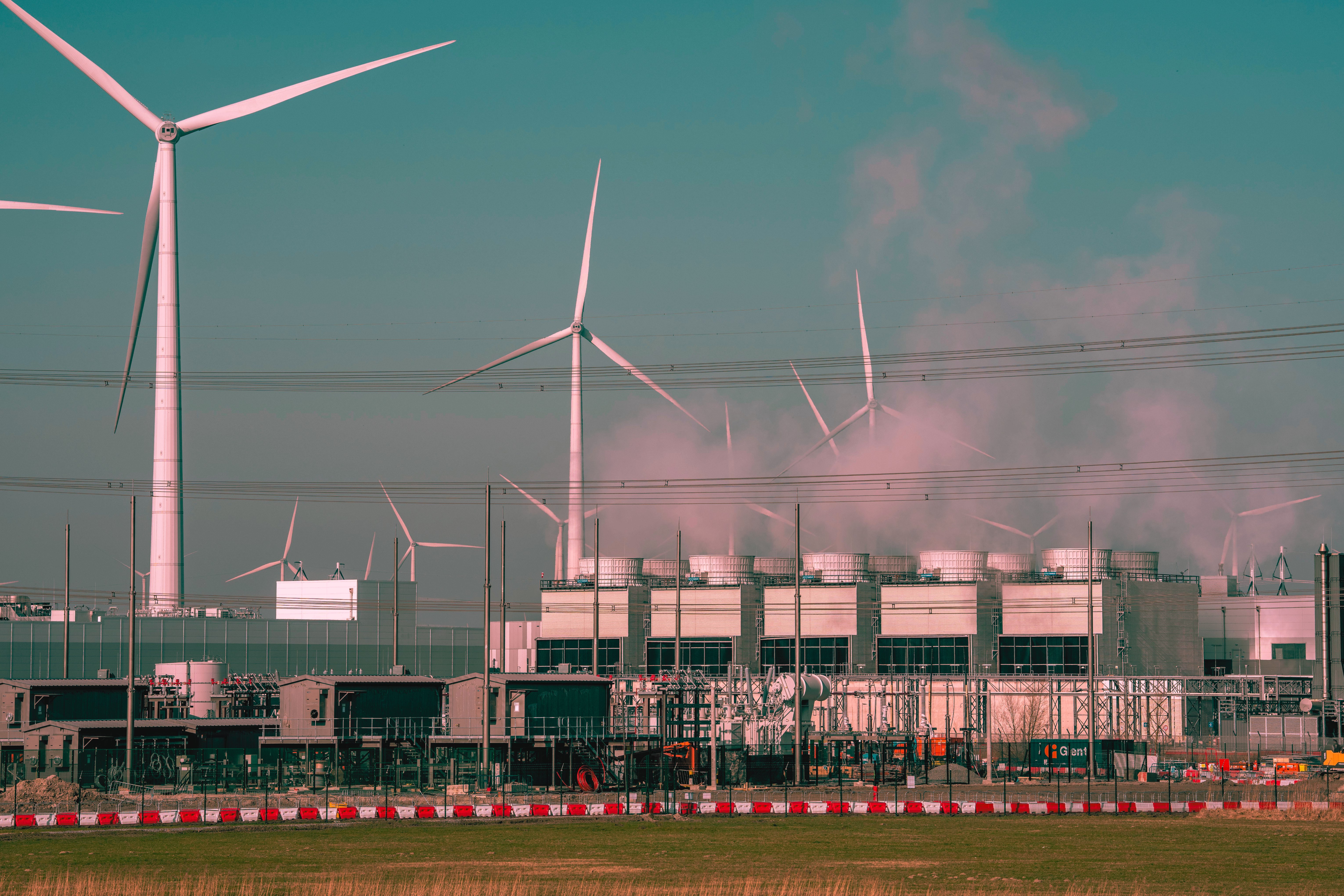
In some communities, residents are already noticing the signs. Water pressure is dropping and energy bills are rising. There is a new buyer in town, one that never sleeps and has an insatiable appetite for resources.
Artificial intelligence promises enormous productivity gains. However, every query, image generation, and AI model training run relies on physical infrastructure. A new UN report predicts that AI-driven growth could double data centre energy and water consumption by 2030. If current trends continue, data centres would consume nearly 3% of global electricity.
AI Lives in the Physical World
AI is not virtual. It might exist online, and you might use it to build virtual businesses or have virtual interactions, but it relies on physical infrastructure: data centres, servers, cooling systems, power generation, and fibre networks.
The true cost of AI lies in the resources required to keep it running, and not all of those costs are being paid by the companies driving its growth. In Georgia in the United States, a data centre consumed nearly 30 million gallons of water without paying for the privilege. Residents only noticed when their household water pressure began to drop. The company was subsequently forced to pay more than $147,000 for its water usage.
The electricity consumption is even more significant. Meta's Hyperion Campus in Louisiana is predicted to consume 5 gigawatts of power, three times that of New Orleans. If AI outpaces the infrastructure it depends on, the question of who takes precedence, people or machines, becomes an uncomfortable one.
The Resource Demands Are Growing Faster Than Expected
In 2024, global data centre electricity consumption reached 415 TWh. In just four years, that figure is expected to more than double to 945 TWh. To put that into perspective, the UK consumes roughly 300 to 330 TWh of electricity each year. The additional energy required by data centres alone would therefore exceed the UK's entire annual electricity demand.
AI is not the only driver of this pressure. Governments are simultaneously accelerating electrification across transport, heating, and industry as part of the broader transition away from fossil fuels. The energy system is being asked to do more, from multiple directions at once.
Just as many industrialised nations are beginning to bring emissions under control, AI is emerging as a major new driver of energy demand. Water presents a different kind of challenge. Unlike electricity, where new generation capacity can be built, water is a finite resource. In regions already facing drought and water stress, the growing cooling requirements of data centres represent a serious and growing pressure on local supplies.
Technology May Solve Part of the Problem
More efficient chips, better cooling systems, and water recycling can all help reduce resource consumption. These gains are real and worth pursuing. The question is whether they can keep pace with the scale of demand growth, and the honest answer is that efficiency alone is unlikely to be sufficient.
For energy, there are potential solutions. Renewable energy and small modular nuclear reactors can allow AI companies to generate power independently, reducing their draw on the same grids that homes, businesses, and public services depend on. This does not eliminate the demand, but it does reduce the competition for shared infrastructure.
Water presents a different kind of challenge. Technology is making real progress: closed-loop cooling systems can reduce freshwater use by 50 to 70%, and Microsoft is piloting zero-water evaporation designs for new data centres. These gains matter. However, even with significant efficiency improvements, the fundamental issue in drought-prone regions remains: water is a finite resource that cannot simply be generated to meet demand. Technology can reduce consumption, but it cannot create supply where none exists.
Who Do You Want Making These Decisions?
The organisations best placed to navigate this are those that treat community impact not as a communications problem but as a strategic one. The specific decisions facing AI companies today, about where to build, how much to consume, and who bears the cost, are versions of questions that arise across many industries as resource pressures intensify.
What they require is a particular kind of leadership: people who can think across systems, engage credibly with communities and regulators, and make difficult trade-offs without losing sight of the broader picture. That is not a skill set unique to the technology sector. It is increasingly what good leadership looks like in any organisation operating at the intersection of commercial growth and shared resources.
FAQs
Got A Question?
Everything you need to know about impact careers, sustainable job opportunities and our talent network in one easy place.
Our House Views content library and Awareness to Action series share insights on sectors, roles and career moves. Many candidates use these resources to narrow their focus before speaking with us.
Because the numbers are clear. Green and transition sectors are growing faster than the rest of the economy, attracting capital, talent and innovation. Positioning yourself there is a commercial decision, not just a values one.
Awareness to Action is our interview and insight series. We speak with leaders across the impact economy and turn real conversations into practical guidance for careers, teams and capital.
Yes, we regularly feature impact investors, founders and sustainability leaders in interviews and House Views content. If you have something valuable to share with the impact economy, we would love to hear from you.