SailGP Has Turned Sustainability Into a Competition

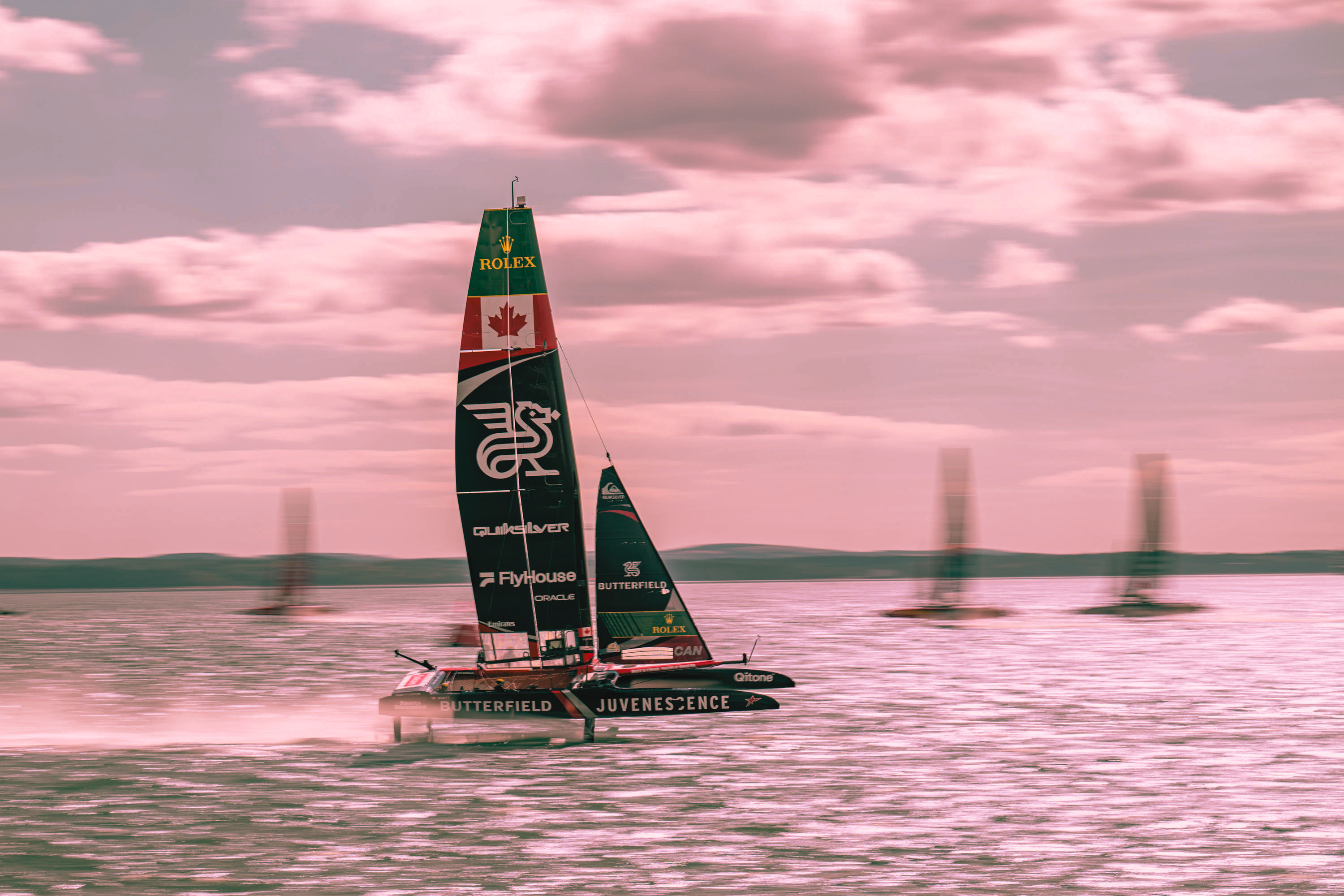
Sustainability efforts often lack the structure that drives progress elsewhere: clear goals, visible comparison, and a genuine stake in the outcome. Without that, even committed teams and organisations can find their work becoming background noise rather than something actively pursued.
SailGP is changing that with its Impact League. Featuring a so-called "Podium for the Planet," it tracks sailing teams' progress across social and environmental projects during the season.
The clever part is that sustainability no longer has to survive on the sidelines. SailGP turns it into competition, pride, status, measurement, and team identity, tapping into a drive that already exists in every team on the water.
It is a smart way to encourage bolder, more proactive action. Sport can test these ideas, but other organisations can adapt them to their own context. To do that well, they will need people who understand incentives, culture, communications, measurement, and how to make good intentions visible enough to change behaviour.
The SailGP Impact League Makes Impact Visible
Many companies' sustainability efforts are buried somewhere on their websites, updated once a year and rarely read. Sports teams have every reason to be different: their entire identity is built around visible, public performance. Yet even for them, sustainability work can get lost in the noise of race results, sponsorship deals, and season standings.
A second leaderboard changes that. SailGP's Impact League runs alongside the main championship, scoring teams across four categories: clean energy, circular economy practices, gender equity, and wider inclusion. Sustainability is no longer background information. It becomes an active, ranked comparison sitting right next to the results everyone already cares about.
Teams see exactly how they compare to rivals on each measure, watch the techniques other teams are putting into practice, and are incentivised to keep improving rather than settle for a baseline effort.
The incentive is not only reputational. In the most recent season, the Impact League distributed $150,000 in prize funding, awarded not to the teams themselves but to each team's nonprofit impact partner, the environmental or social cause they are already paired with. Winning means real money reaching a cause the team already cares about, on top of the ranking and pride that come with it.
It's a story everyone can buy into.
The Smart Part Is Using Rivalry Instead of Guilt
Much of the language around climate change, and around motivating action on it, is guilt-based.
We talk of the impact on future generations, other species, the planet as a whole. Yet success doesn't come from guilt. People put more effort into trying to win. Sport understands this competitive instinct better than almost any other sector.
SailGP builds directly on that instinct. Teams already want to beat each other. The Impact League simply gives them another field of play.
The same is true for businesses. People respond better to clear goals, peer comparison, recognition, and public accountability than to the aspirational mission statements and internal messaging that typically stand in for a genuine incentive. Behavioural change research suggests that social comparison can shift action, especially when people can see how they are performing against others.
A 2025 meta-analysis of 79 randomised controlled trials found that social-comparison interventions produced small but significant behavioural changes, including in climate-related behaviour. In other words, the point is to make progress visible, comparable, and worth striving for.
The Best Sustainability Programmes Need Rules, Judges, and Proof
A sustainability competition only works if the criteria behind it are credible, fair, and impartial. Without that, it becomes greenwashing dressed up as measurement.
SailGP's Impact League has evolved over time. Its scoring guide defines clear focus areas and explains how team outcomes are measured and judged.
This is where serious skills matter. Measurement, assurance, reporting, behavioural design, and data all become part of making a competitive sustainability system credible rather than cosmetic.
Industries such as fashion, food production, and construction already have pockets of genuine sustainability effort, but little that lets one company's progress be meaningfully compared against another's. Translating this model to sectors like these means designing systems where teams can see progress, compare performance, and compete to reduce waste, improve sourcing, cut emissions, or support better working conditions.
Done well, it turns impact from a vague ambition into something people can track, own, and improve.
What This Can Teach Other Sectors
Examples of credible sustainability standards already exist in some sectors. B Corp certification, for instance, requires companies to score above a verified threshold across governance, workers, community, and environmental impact, a genuine bar to clear, independently assessed.
SailGP takes this one step further.
It's not simply about clearing a bar. The element of competition encourages teams to keep going past the point where compliance would call it done, testing innovative ideas, trialling technologies, and finding ingenious ways to reduce waste. A minimum standard has a ceiling. A competitive scoreboard does not.
For professionals, this is where the opportunity becomes interesting. Competitive people, the kind sport already attracts, will go to real lengths to win once winning is on offer. Other sectors will need people who can build that same momentum and creativity: setting rules, measuring progress, making performance visible, and giving teams a reason to keep pushing past the point where "good enough" would usually stop them. The open question is whether other industries are ready to be as inventive about sustainability as this sport now is.
FAQs
Got A Question?
Everything you need to know about impact careers, sustainable job opportunities and our talent network in one easy place.
Our House Views content library and Awareness to Action series share insights on sectors, roles and career moves. Many candidates use these resources to narrow their focus before speaking with us.
Because the numbers are clear. Green and transition sectors are growing faster than the rest of the economy, attracting capital, talent and innovation. Positioning yourself there is a commercial decision, not just a values one.
Awareness to Action is our interview and insight series. We speak with leaders across the impact economy and turn real conversations into practical guidance for careers, teams and capital.
Yes, we regularly feature impact investors, founders and sustainability leaders in interviews and House Views content. If you have something valuable to share with the impact economy, we would love to hear from you.