Why Biodiversity Loss is a 12% Risk to the UK Economy

Researchers from the University of Oxford and the Green Finance Institute estimate that biodiversity loss could leave the UK’s GDP up to 12% lower. When placed in historical context, the scale of this potential loss becomes even more striking. During the 2008 financial crisis, the UK’s GDP fell by around 5%, while the COVID-19 pandemic caused an even larger contraction of approximately 11% in 2020. A projected 12% decline linked to biodiversity loss would therefore represent an economic shock comparable to, if not greater than, these recent crises.
Despite this, economic growth is still often discussed separately from environmental protection. Yet a growing body of research suggests the two are deeply interconnected. Biodiversity underpins many of the natural systems that economies depend on, from food production to climate regulation. Economists and scientists increasingly warn that environmental decline threatens not only ecosystems but also the economic systems built upon them. Protecting biodiversity is therefore not only an environmental concern, but a fundamental requirement for long-term economic stability.
According to the World Economic Forum, services provided by nature support more than half of the world’s GDP, worth approximately $44 trillion. Industries such as agriculture, fisheries, food production, construction, and tourism rely heavily on stable natural ecosystems. However, biodiversity and natural resources are declining at an alarming rate, with over one million species now at risk of extinction, posing significant economic risks for countries whose industries depend heavily on nature, including the UK.
How Biodiversity Loss Threatens the UK Economy
Agriculture and Food Systems
Agriculture depends heavily on healthy ecosystems. Soil quality, water availability, and biodiversity all play an important role in supporting stable crop production.
However, unsustainable farming practices in many parts of the UK have contributed to soil degradation and declining environmental quality. Intensive land use and the overuse of chemical fertilisers can gradually reduce soil health, threatening long-term agricultural productivity.
Lower productivity does not only affect farmers. Agriculture supports food processing industries, supply chains, and employment in both rural and urban areas. As a result, declines in agricultural productivity can ripple across multiple sectors of the economy.
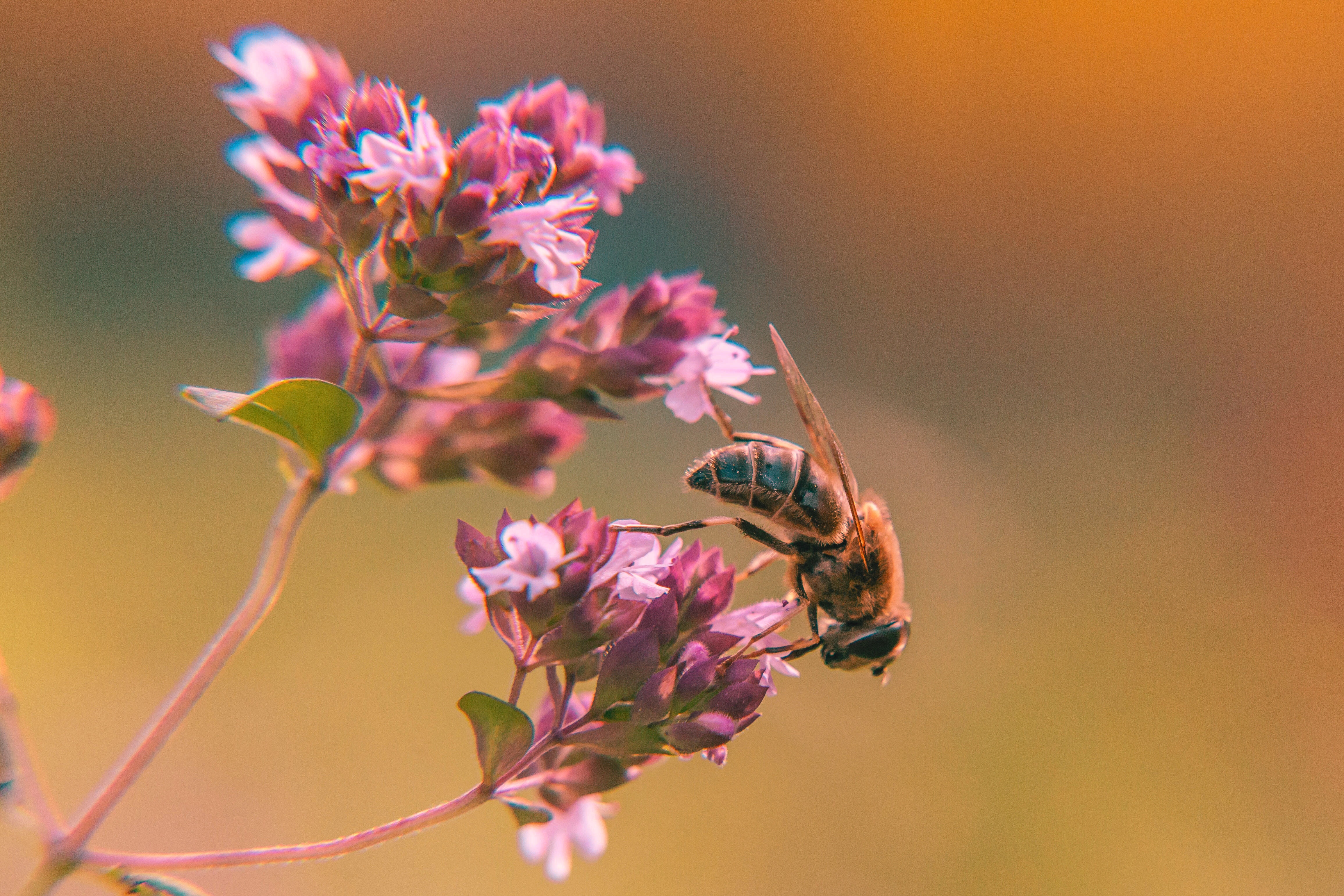
Pollinators are also essential to agricultural production. Bees, butterflies, and birds play a crucial role in fertilising crops and maintaining stable yields. Globally, around 75% of crop species depend at least partly on animal pollination, and in the UK alone, insect pollination contributes an estimated £630 million annually to crop production, particularly for fruits, vegetables, and oilseed rape. However, pollinator populations are declining due to habitat loss, land-use change, and pesticide use.
Nature as the UK’s Natural Defence System
Natural ecosystems do more than support biodiversity, they also provide critical protection against environmental risks. Wetlands, forests, and coastal habitats act as natural barriers that help reduce flooding, storms, and erosion. These ecosystems absorb excess water, stabilise soils, and regulate environmental systems that protect communities and infrastructure.
However, as biodiversity declines and ecosystems are degraded, this natural protection weakens. This can increase the frequency and severity of environmental damage, potentially placing greater financial pressure on governments and public infrastructure systems.
With flooding and flood management already costing £2.2 billion each year, the continued decline of our ecosystems is increasing public spending and insurance costs. Nature-based flood management solutions, such as wetland restoration, can deliver significant economic benefits, with studies showing that these projects can generate up to £10 in benefits for every £1 invested.
Global Supply Chains Are Also at Risk
The UK economy is deeply connected to global supply chains that depend on natural resources from biodiversity-rich regions. Commodities such as timber, soy, cocoa, and beef are embedded in food production, manufacturing, and retail supply chains. In fact, the UK’s consumption of these commodities requires an overseas land footprint larger than half the size of the UK, a scale that highlights the country’s significant exposure to global deforestation risks.
However, biodiversity loss in these regions can disrupt production and increase supply chain instability. Environmental degradation can reduce crop yields and limit resource availability, ultimately driving up commodity prices. The UK food and livestock sectors are particularly exposed to these biodiversity-related risks, as imported commodities like soy, widely used as animal feed, are often produced in regions experiencing high rates of deforestation.
For businesses and investors, these dependencies create growing economic risks linked to nature loss in other parts of the world, making the transition to sustainable sourcing a matter of financial stability as much as environmental preservation.
How Businesses and Governments Are Responding
As awareness of biodiversity loss grows, governments, financial institutions, and businesses are beginning to recognise nature loss as a systemic economic risk. In the UK, policymakers increasingly support initiatives that help organisations understand their dependence on natural ecosystems. A primary example is the Taskforce on Nature-related Financial Disclosures (TNFD), which helps companies identify and manage nature-related financial risks using the LEAP framework (Locate, Evaluate, Assess, and Prepare).
Adoption of the TNFD is growing rapidly, with over 90 UK organisations already committing to the framework. This shift toward transparency allows businesses to better understand how their activities interact with the natural world.
At the same time, investment in nature restoration, renewable energy, and sustainable agriculture is creating significant new economic opportunities. Investments in ecosystem restoration, in particular, can deliver exceptional value; research on UK natural flood management projects has found that these initiatives can generate benefits worth up to ten times their original investment over time. Ultimately, organisations that adopt these environmentally responsible practices stand to benefit from improved reputations, long-term cost savings, and far greater resilience to environmental risks.
Looking Ahead
Growing evidence suggests that biodiversity loss poses significant risks not only to ecosystems but also to economic stability. As the UK economy depends heavily on the services provided by nature, continued environmental degradation could have serious long-term consequences for growth and prosperity.
Addressing biodiversity loss will require coordinated action from governments, businesses, and individuals. House of Impact seeks to help individuals and organisations bridge this gap, mobilising the networks and expertise needed to move from awareness to action. Protecting natural ecosystems is not only an environmental priority, it is an economic necessity.
FAQs
Got A Question?
Everything you need to know about impact careers, sustainable job opportunities and our talent network in one easy place.
Our House Views content library and Awareness to Action series share insights on sectors, roles and career moves. Many candidates use these resources to narrow their focus before speaking with us.
Because the numbers are clear. Green and transition sectors are growing faster than the rest of the economy, attracting capital, talent and innovation. Positioning yourself there is a commercial decision, not just a values one.
Awareness to Action is our interview and insight series. We speak with leaders across the impact economy and turn real conversations into practical guidance for careers, teams and capital.
Yes, we regularly feature impact investors, founders and sustainability leaders in interviews and House Views content. If you have something valuable to share with the impact economy, we would love to hear from you.