Pakistan Solar Boom: Energy Resilience and Talent

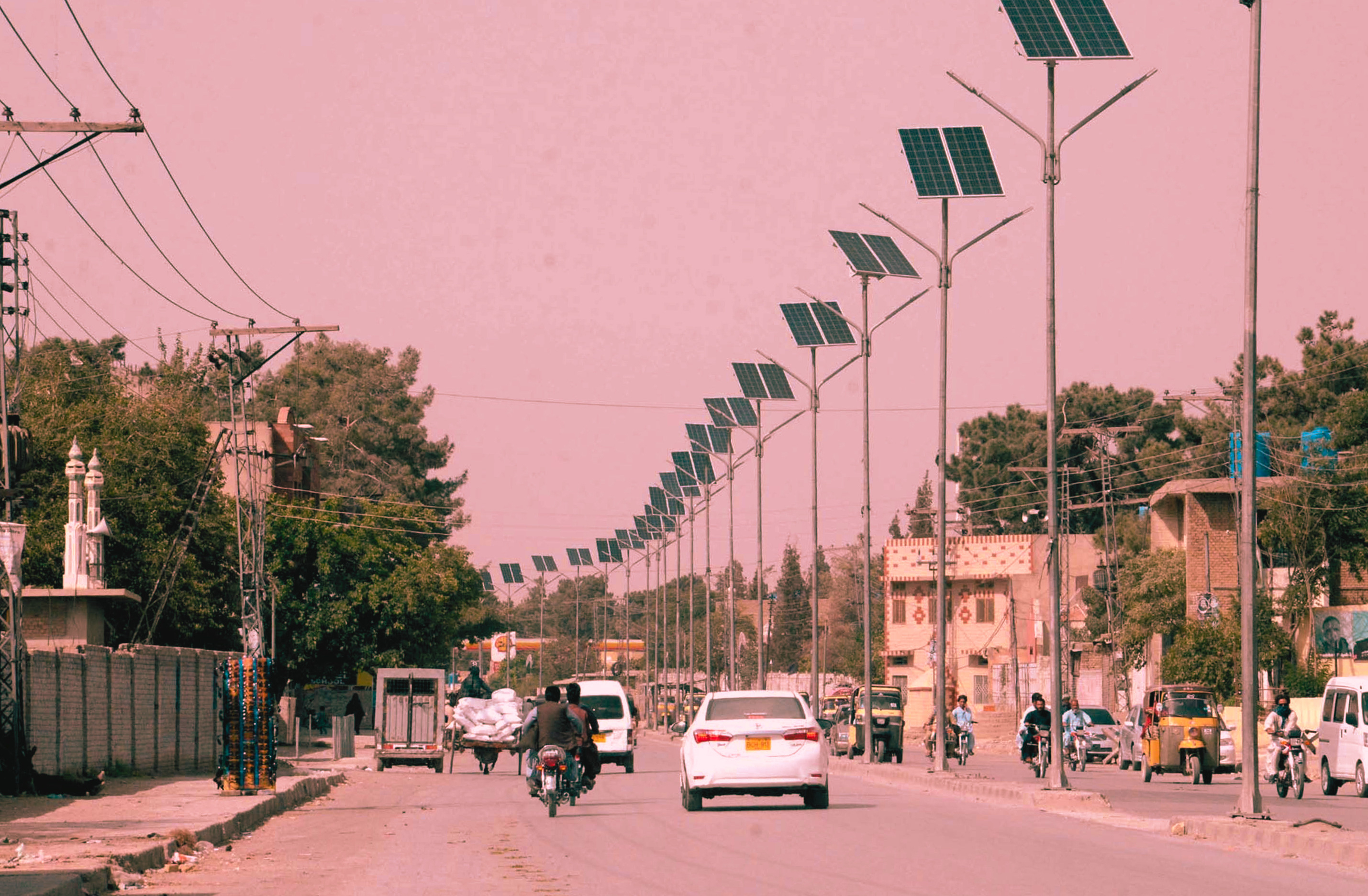
Pakistan is in the middle of a solar boom. After the 2022 energy crisis and the disruptions of COVID-19, Pakistan’s consumers and businesses turned to solar out of economic necessity. The result is now paying off at a national scale. As global oil and natural gas prices spike, the nation is saving billions.
Pakistan’s success is in stark contrast to other Asian economies. Elsewhere, dependency to fuel imports has led to school closures, rationing, and other structural changes, but as a first mover, Pakistan now gets to reap the rewards.
The big difference? Pakistan didn’t achieve this success through a top-down project. Rather, it was thanks to rapid, decentralised solar adoption that the nation shifted its energy infrastructure.
What actually happened?
Pakistan is home to more than 240 million people. With such a large population and rising energy demands, one might expect Pakistan to struggle to transition to renewables. However, the country has executed one of the most rapid solar revolutions to date.
The most fascinating part is that it had little to do with policy. Pakistan more than doubled its solar panel imports in 2024, almost solely due to people and markets. This demonstrates that renewables can succeed without government subsidies.
The success is down to two factors:
- Plummeting costs of Chinese solar panels
- Rising costs of almost every other form of energy
When these two incentives align, change can be rapid. People are eager to move with the times, and that is especially true in Pakistan where grid electricity prices increased 155% between 2022 and 2025, and multi-hour blackouts are common.
Resilience comes from system design
People rarely choose sustainability for its own sake. Change happened in Pakistan because solar simply became the cheaper, more reliable option. As solar became cheaper and more accessible, grid dependence fell, and the cost savings followed.
The lesson for senior leaders, functional specialists, advisors, and consultants is to focus less on moral persuasion and more on system design. Appealing to good intentions has historically produced limited results. As Pakistan demonstrates, true resilience did not come from asking people to change their behaviour. It came from changing the system they operate within.
Why organisations make the same mistakes
Most Western energy infrastructure was built around centralised fossil fuel power plants distributing energy to consumers, a model that remains dominant even as renewables grow. Decades of reliable, relatively cheap energy make it hard for organisations to think outside this system. Now, as energy prices spike (first due to the Ukraine War, and then the Iran War), renewables can act as a cost-saving measure with resilience /securtity added on top, insulating companies from the market’s price fluctuations.
Hiring the talent who can make it happen
Pakistan did not get here through deliberate leadership. But the lesson it offers is precisely about that: the organisations that will be best positioned are those that make the deliberate choice to act before circumstances force them to.
When Pakistan's 2022 energy crisis hit, it prompted a fundamental shift. Other countries in the region absorbed the shock and moved on. The difference in outcomes is now visible. The lesson is not specifically about solar, it is about acting before the global situation forces you to.
That kind of forward thinking does not happen by accident. It requires decision-makers who can read early signals and commit to systemic change before the case is obvious, functional specialists who can turn strategic decisions into operational reality, and finance and data teams who can track whether the change is actually working.
In Pakistan's case, those specialists were sourcing panels and storage systems under volatile conditions, integrating new infrastructure into fragmented environments, and monitoring performance in real time. The specifics will be different for every organisation, but the capability gap is the same and tipping points are coming sooner than may expect, aside from the scinetists that is.
Most organisations talk about resilience, ESG, and sustainability at a strategic level but have not built the internal capability to deliver when the moment arrives.
FAQs
Got A Question?
Everything you need to know about impact careers, sustainable job opportunities and our talent network in one easy place.
Our House Views content library and Awareness to Action series share insights on sectors, roles and career moves. Many candidates use these resources to narrow their focus before speaking with us.
Because the numbers are clear. Green and transition sectors are growing faster than the rest of the economy, attracting capital, talent and innovation. Positioning yourself there is a commercial decision, not just a values one.
Awareness to Action is our interview and insight series. We speak with leaders across the impact economy and turn real conversations into practical guidance for careers, teams and capital.
Yes, we regularly feature impact investors, founders and sustainability leaders in interviews and House Views content. If you have something valuable to share with the impact economy, we would love to hear from you.