CBAM and Construction: Carbon Costs Are Here

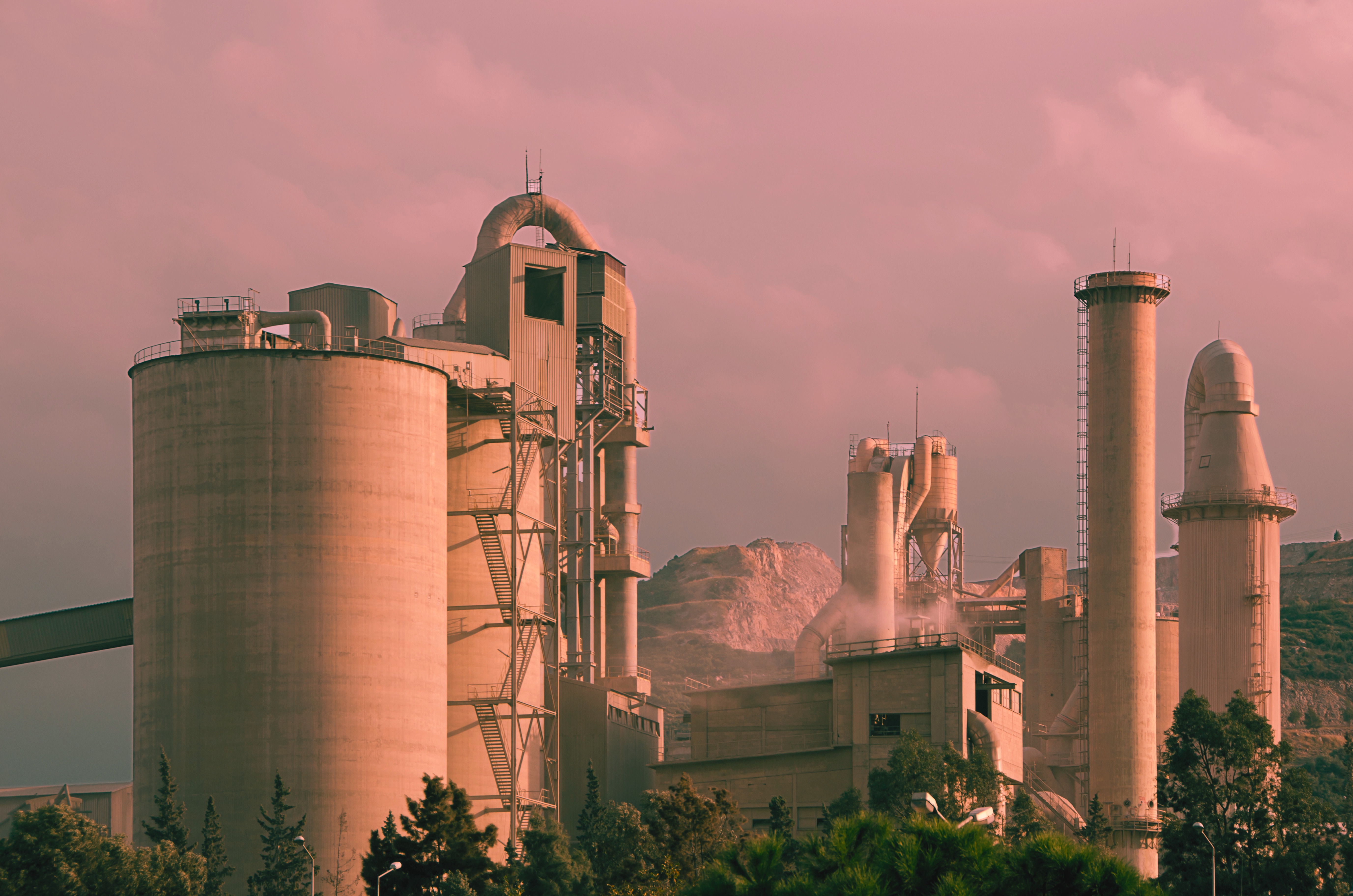
The EU’s Carbon Border Adjustment Mechanism (CBAM) came into effect at the beginning of 2026. The idea is simple: imported carbon-intensive goods now face a similar carbon cost to materials produced inside the EU under the Emissions Trading System (ETS).
It’s hitting construction materials imports particularly hard.
Steel (both hot-rolled coil and rebar) has soared in price, complicating imports from Turkey and Asia due to the added costs and complexity. Aluminium and cement are also showing early CBAM-related pressure. For construction firms, it’s no longer theoretical. CBAM is one of the main factors across construction projects which have strong pricing power.
The first signs are showing up in steel, aluminium, and cement
CBAM might have only entered its definitive phase in January 2026, but the price changes showed up immediately. Suppliers faced with rising costs must increasingly factor carbon exposure into pricing decisions.
Here are the stats from early 2026:
- Hot-rolled coil steel (Northern Europe): up €22/t in January 2026 (+3.5%)
- Rebar prices (Italy & Northern Europe): up €20–40/t (+5–6%)
- European duty-paid aluminium premium: up $20/t since late 2025 (+6–8%)
The reality is that carbon costs are starting to appear in places procurement teams can’t ignore. Rather than avoiding internal EU costs from the ETS, projects must now deal with carbon pricing wherever the material is sourced from.
CBAM isn’t really about construction. It’s about changing incentives
CBAM isn’t intended to penalise the construction sector. The initial introduction of the ETS was to reduce carbon emissions across the continent. However, by placing the costs solely on European producers, it gave an unfair advantage to overseas competitors.
The result? Emissions-heavy production simply shifted beyond Europe’s borders. The emissions still existed just elsewhere. The obvious downside is that emissions don’t follow geographic borders, so the policy only had a negative economic impact on European manufacturing.
CBAM levels the playing field between EU producers and foreign competitors. It directly links imported materials to the same carbon-cost logic domestic producers have to deal with.
Uncertainty is posing a real challenge
Construction firms have dealt with rising material costs for years now. If consistent, suppliers and construction firms can plan around the rises (even if they’re not happy with them). What’s more challenging is the unpredictability of future carbon prices. As everyone adapts to the new system, companies need to know exactly how much material is going to cost. However, that is more difficult than it sounds.
For example, different materials and production routes carry very different carbon exposures. Even different kinds of steel may have different carbon values. Organisations are, therefore, forced to evaluate embodied carbon alongside traditional commercial considerations.
This is becoming a leadership and capability issue
Governments in Europe were always likely to attempt to take serious action on climate change. Now those regulations are here. CBAM, in particular, highlights how sustainability fcoused regulation is becoming embedded directly into commercial decision-making. For construction firms, infrastructure investors, industrial manufacturers, and advisory businesses, carbon exposure is increasingly affecting procurement strategy, supplier relationships, and long-term cost planning.
That’s creating the demand for a different kind of leadership. Companies need leaders who understand environmental policy, can nimbly manoeuvre regulations, and know how to embed carbon costs into supply chains. Leaders will need procurement specialists and operations managers who can balance complex sourcing decisions with the pricing pressure projects are already under. It’s not going to be easy.
The organisations that adapt fastest may gain the biggest advantage
CBAM is unlikely to be an isolated case. Environmental policy is shifting everything from pricing and procurement to the underlying competitive dynamics between industries.
Just as with any change, first-mover advantage is in play. Organisations with the right teams and leadership in place will be the first to secure better suppliers, long-term procurement stability, and reduced regulatory exposure.
As carbon costs become more visible across global supply chains, the organisations best positioned for the next decade may simply be the ones with leaders capable of optimising for these structural market shifts before they fully materialise.
FAQs
Got A Question?
Everything you need to know about impact careers, sustainable job opportunities and our talent network in one easy place.
Our House Views content library and Awareness to Action series share insights on sectors, roles and career moves. Many candidates use these resources to narrow their focus before speaking with us.
Because the numbers are clear. Green and transition sectors are growing faster than the rest of the economy, attracting capital, talent and innovation. Positioning yourself there is a commercial decision, not just a values one.
Awareness to Action is our interview and insight series. We speak with leaders across the impact economy and turn real conversations into practical guidance for careers, teams and capital.
Yes, we regularly feature impact investors, founders and sustainability leaders in interviews and House Views content. If you have something valuable to share with the impact economy, we would love to hear from you.