The Climate Adaptation Economy Is Already Here

The word adaptation has spent years on the fringes of climate policy. Mitigation, the effort to reduce emissions and slow warming, attracted the attention, the investment, and the urgency. Adaptation, the work of adjusting systems, infrastructure, and operations to a climate that is already changing, felt like an admission of defeat.
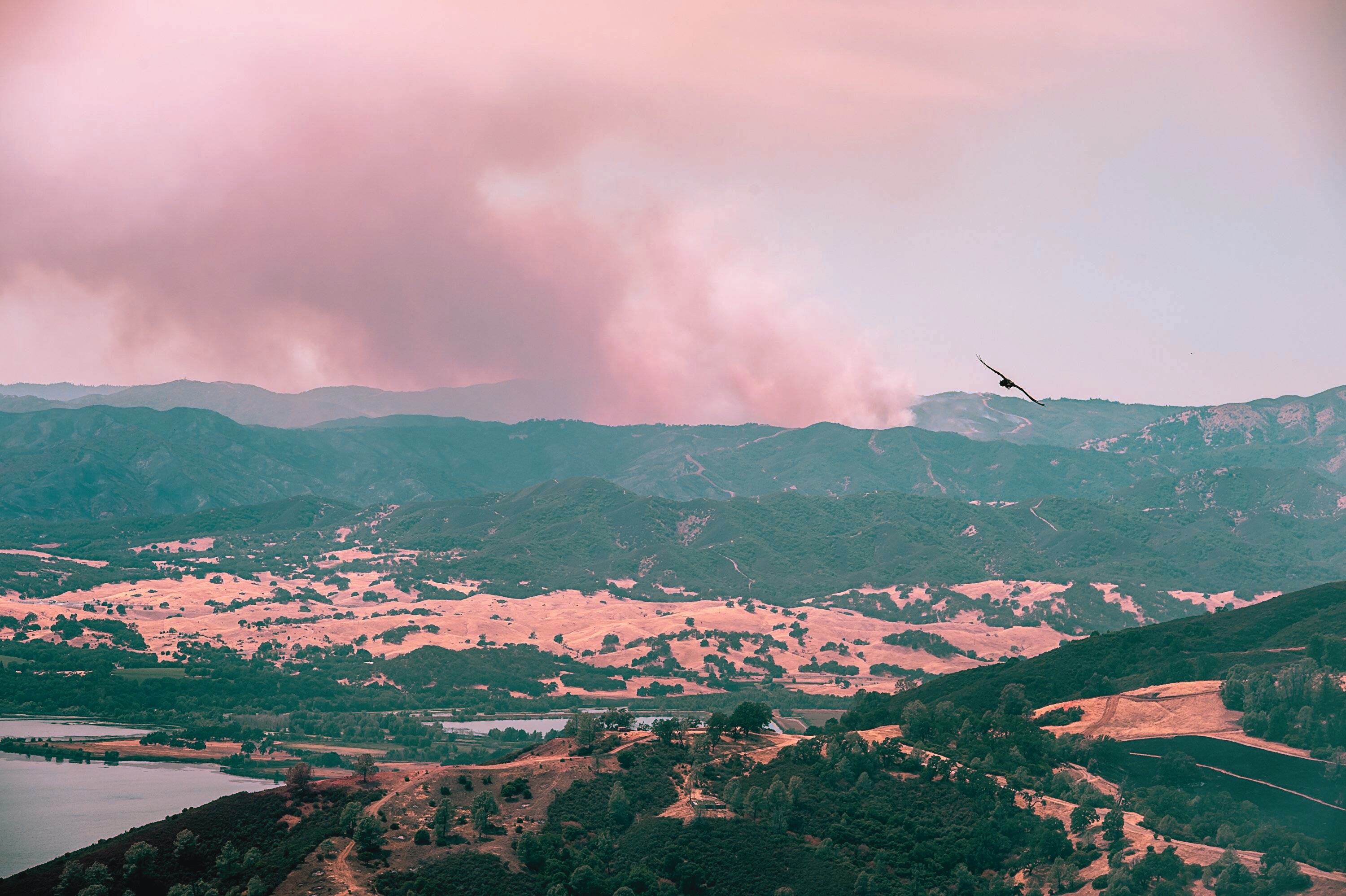
That framing is shifting. Not because the situation has improved, but because the gap between what was anticipated and what is happening has become too wide to ignore. Floods that were once described as one-in-a-hundred-year events are arriving every few years. Heat that infrastructure was never designed to handle is buckling roads, disrupting railways, and reducing outdoor labour productivity across multiple continents. Insurance markets in some regions are retreating entirely. In California, several major insurers have withdrawn from the market altogether following the 2025 Los Angeles wildfires, leaving homeowners reliant on the state's insurer of last resort, which has more than tripled in size since 2018.
The story is more complicated than the headlines suggest. Climate adaptation is still treated in many organisations as someone else's problem, a government responsibility, a future concern, or a box to tick in a sustainability report rather than an operational reality. The gap between the scale of the challenge and the organisational response to it remains significant.
Yet that gap is where the work is.
The adaptation economy spans almost every sector
It is easy to assume that climate adaptation means environmental projects in vulnerable regions. In practice, it cuts across almost every sector of the economy.
Water infrastructure needs redesigning as rainfall patterns shift and droughts become more prolonged. Buildings need retrofitting to handle both heat and flood risk. Supply chains need rerouting as extreme weather makes certain transit corridors unreliable. Agricultural systems need rethinking as growing seasons change and soil conditions deteriorate. Financial models need updating to reflect physical risk that was not previously priced in.
It is not just about solar panels and electric vehicles. The adaptation economy includes engineers, hydrologists, urban planners, risk modellers, insurance specialists, logistics redesigners, and commercial leaders who can make the business case for resilience investment before a crisis forces the issue.
The Climate Talent Gap Is Wider Than The Sector Can Afford
What is becoming clear is that the skills required to navigate this transition are not evenly distributed. There are people who understand climate risk, and people who understand how to get things built, financed, and delivered at scale. Finding people who can do both is harder than the scale of the challenge demands.
This creates a specific kind of professional opportunity. Not just the opportunity to advise from the outside, but to bring existing commercial, technical, or operational expertise to bear on problems that genuinely need solving.
A logistics specialist who understands how to reroute supply chains under pressure. A finance professional who can assess physical climate risk and build it into long-term investment decisions. An engineer who has spent a career building infrastructure and now applies that knowledge to flood defence or heat-resilient design. These are not hypothetical roles. They are the kinds of hires that well-run organisations are beginning to make.
Organisations acting on adaptation are responding to cost, not conscience
The organisations moving fastest on adaptation are not doing so out of altruism. They are doing it because the cost of inaction is becoming legible. Insurance premiums are rising. Regulatory requirements are tightening. Investor scrutiny of physical risk disclosure is increasing. In some cases, the operational disruption is simply too expensive to ignore.
What distinguishes them is less the size of their sustainability team and more the extent to which climate thinking has been integrated into core decisions: capital allocation, infrastructure planning, procurement, and risk modelling.
That integration does not happen without people who can bridge the gap between climate understanding and commercial execution. People who can sit in a room with a CFO and explain why a flood defence investment makes financial sense. People who can work with engineers to redesign a facility for a hotter, more variable climate. People who can help a board understand what physical risk actually means for their assets over a twenty-year horizon.
This Is the Real Opportunity
The professionals who recognise that earliest will be best positioned. Not because climate adaptation is a fashionable cause, but because it represents one of the most significant reallocation of capital and talent in a generation.
The question worth sitting with is not whether this transition is happening. It is. The question is whether your skills are positioned to be useful within it.
FAQs
Got A Question?
Everything you need to know about impact careers, sustainable job opportunities and our talent network in one easy place.
Our House Views content library and Awareness to Action series share insights on sectors, roles and career moves. Many candidates use these resources to narrow their focus before speaking with us.
Because the numbers are clear. Green and transition sectors are growing faster than the rest of the economy, attracting capital, talent and innovation. Positioning yourself there is a commercial decision, not just a values one.
Awareness to Action is our interview and insight series. We speak with leaders across the impact economy and turn real conversations into practical guidance for careers, teams and capital.
Yes, we regularly feature impact investors, founders and sustainability leaders in interviews and House Views content. If you have something valuable to share with the impact economy, we would love to hear from you.