Climate Disruption: Do You Have the Talent to Respond?

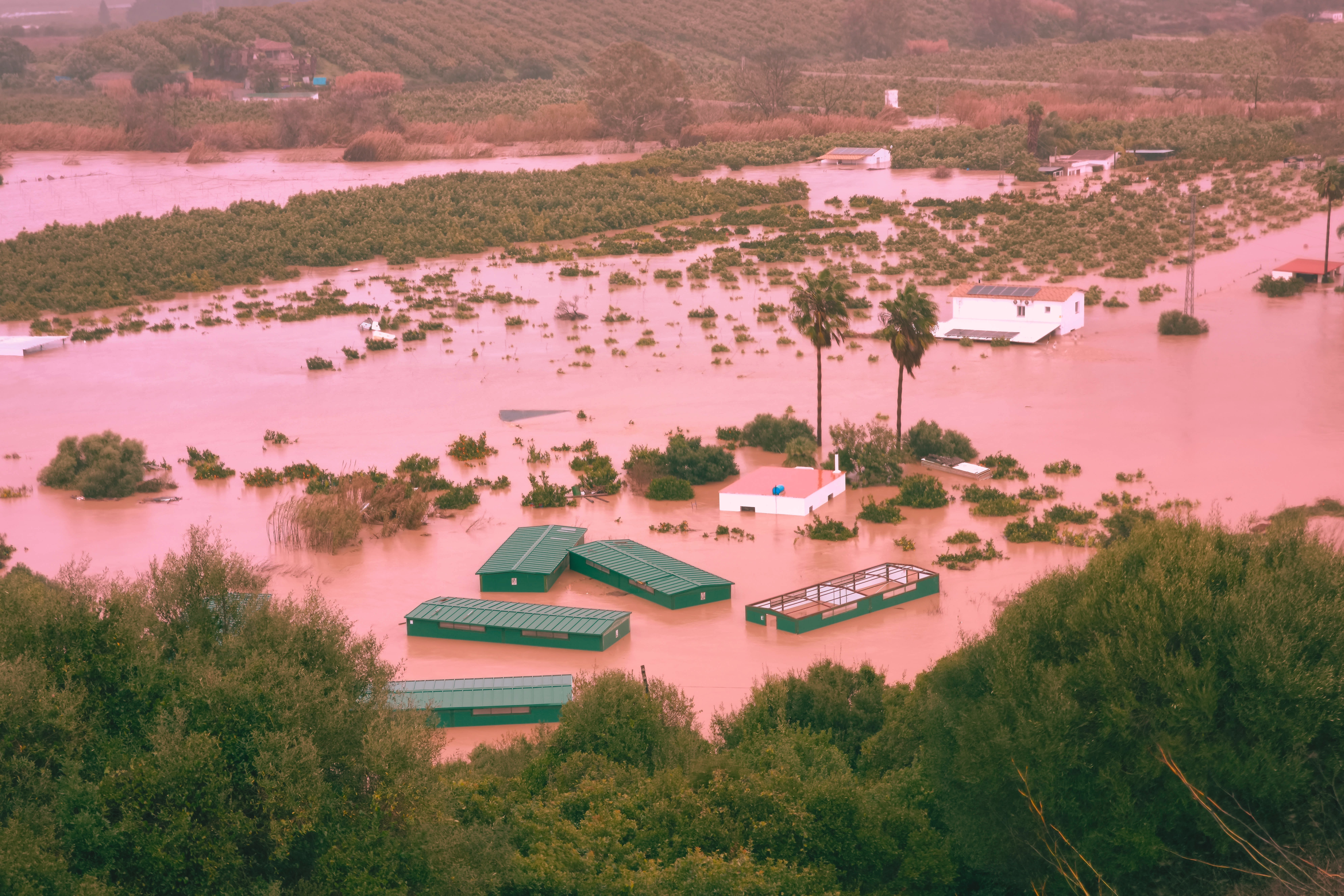
Read through the news, and the pattern is hard to ignore. Floods in Spain and Morocco have wiped out farms, with knock-on effects already hitting the UK fruit and veg supply. A heat dome stretched across the entire United States. In March, nearly 200 monthly records were tied or broken among the U.S weather stations in the Global Historical Climatological Network.
On their own, each story is striking. Put together, they start to feel connected.
The boiling frog analogy is often used in climate discussions. The idea is simple: the temperature rises slowly enough that nothing feels urgent, until it’s too late. Most of the time, that still holds, but lately the changes feel less gradual. The jumps are sharper and the gaps between them shorter.
Compare where things are now to even a few years ago, and the shift is obvious. Once you see that the baseline has shifted, climate change stops being abstract.
The question that follows is a practical one. When conditions stop behaving as expected, who in your organisation is equipped to respond?
Each Event Looks Separate Until You Place Them Side by Side
Climate change used to be a distant problem, it belonged to the horizon. Even now, we browse through news articles without connecting the dots. However, when seen together these data points are beginning to converge.
For example, the recent floods in Spain and Morocco. Both countries are agricultural powerhouses, supplying much of the fruit and vegetables that reach the UK. Without a good harvest, prices will spike, layering higher inflation on a public still reeling from COVID-19, the Ukraine War, and now the Iran War.
In the US, March 2026 saw a massive, high-pressure heat dome over most of the continental US. In southwestern cities like Phoenix and Palm Springs temperatures soared as high as 44.4°C (112°F). During this weather anomaly, 326 new temperature records were set on one single day in March. These weren’t clustered in a single state, they were seen across the US.
Factor in warnings from the Financial Times around 1.5°C warming a decade early, and the connection becomes harder to ignore. Yet too many organisations continue to act like frogs in the pot, aware the temperature is rising but not yet moving.
The question for the frog in the pot is not whether the water is warming. It is how long you wait before you do something about it. The evidence suggests that the time is now.
Sustainability still sits in reports, ESG decks, and brand positioning for many organisations. They’ve yet to factor it into procurement, risk modelling, or service delivery. So, what should they do? It starts by hiring the right people and understanding who’s responsible when things go wrong.
The Real Constraint for Organisations is Talent
The question for most organisations is, who do you want by your side in a time of crisis? Whether you’re a social enterprise, corporation, advisory firm, or non-profit, instability makes you prioritise continuity, not just profit and supply chain optimisation.
Say a shipment is delayed due to an extreme weather event, or input costs spike because of flooding. You’ll need leaders who can move fast and organise their teams to respond, specialists who can redesign systems quickly, and advisors who can shape strategy to avoid repeat situations.
So when crops fail in southern Europe, your leaders don’t hesitate. They put the team to work reducing costs, sourcing alternative suppliers, and, over the long term, rethinking how the company operates to be more resilient next time around.
The water doesn’t need to boil to be a problem. By then, it’s too late. The real question is whether you have the people to get you out before it does.
FAQs
Got A Question?
Everything you need to know about impact careers, sustainable job opportunities and our talent network in one easy place.
Our House Views content library and Awareness to Action series share insights on sectors, roles and career moves. Many candidates use these resources to narrow their focus before speaking with us.
Because the numbers are clear. Green and transition sectors are growing faster than the rest of the economy, attracting capital, talent and innovation. Positioning yourself there is a commercial decision, not just a values one.
Awareness to Action is our interview and insight series. We speak with leaders across the impact economy and turn real conversations into practical guidance for careers, teams and capital.
Yes, we regularly feature impact investors, founders and sustainability leaders in interviews and House Views content. If you have something valuable to share with the impact economy, we would love to hear from you.