How Formula One Cut Its Carbon Footprint by 35%

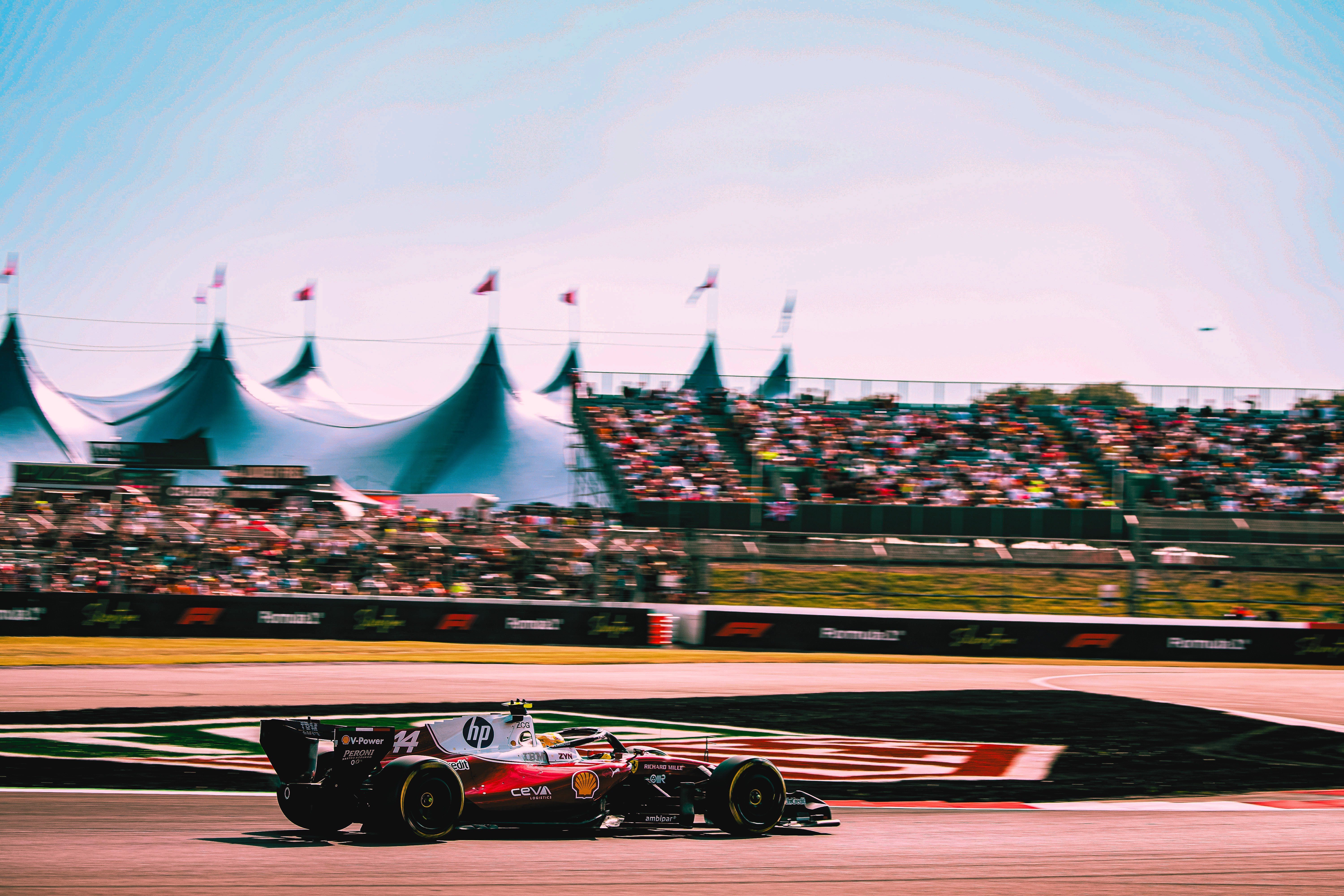
Formula One is not where one would think to look for climate leadership. The global motorsport is built around fast cars, international travel, freight, and is ultimately a high-emission spectacle. On top of that, multinational corporations are notoriously bad at keeping to their carbon commitments. So when F1 says it has cut its carbon footprint by 35% since 2018, it is worth questioning whether this is meaningful progress or another polished sustainability claim.
The answer is clearly the former. With a cross-sport commitment to net zero by 2030, F1 has already removed the equivalent of over 100,000 one-way transatlantic passenger journeys with no obvious change for spectators.
F1 achieved this impressive drop through real operational changes. The real lesson is about what genuine sustainability requires: measurement, delivery, scrutiny, and the right people.
Is Formula One's Net Zero Commitment a Branding Exercise?
The answer is not straightforward. F1 has made the commitment to become net zero, which is aimed at boosting the brand's environmental credentials. Yet the underlying work and changes implemented go beyond mere brand recognition.
F1 has reduced emissions through changes to freight, logistics, broadcast operations, factories, facilities, and investment in sustainable aviation fuel. The specifics matter. Equipment that previously flew back to the UK between races now stays in regional hubs. European land freight trucks switched to biofuel, cutting related emissions by 83%. All ten F1 teams now power their facilities with renewable energy, delivering a 64% reduction in factory and facility emissions since 2018. Remote broadcast operations reduced the need to move people and equipment around the world. These are structural decisions that altered how the sport fundamentally operates.
Formula One has avoided the vague net zero commitments that have come to characterise many corporate sustainability pledges. It was not simply a new campaign or glossy report. The changes interrogated the fundamentals of how the motorsport operates.
What F1's Carbon Footprint Numbers Actually Include
A 35% reduction is meaningful, but it is worth understanding what sits behind the number. The figure includes Sustainable Aviation Fuel certificates, which represent credits for cleaner fuel used elsewhere in the aviation system rather than fuel physically used by F1 itself. Strip those out and the absolute reduction in actual operational emissions stands at 26%. SAF certificates are a legitimate and independently verified mechanism, and they do accelerate the development of cleaner fuels. The question is how much long-term emissions reduction they represent versus how much they allow organisations to report progress ahead of operational change.
Spectator travel, private aviation, and partner emissions are not included in F1's figures. These are Scope 3 emissions, meaning they fall outside the direct operational boundary of the sport itself. This is not unique to F1. Scope 3 emissions are notoriously difficult to measure and attribute, and the broader question of how to account for them consistently is one the whole economy will need to resolve.
Growth and Competition Are Driving Further Reduction
F1 is a growing sport, and more races, more fans, and more global attention make reductions harder to sustain. That said, some of F1's changes create lasting operational improvements rather than one-off gains. A 64% reduction in emissions from factories and facilities, achieved during a period of significant growth, suggests the sport is building genuine efficiency rather than relying on softer measures or distant promises.
F1 has turned one of its most ingrained instincts, the drive to outperform rivals, into a mechanism for reducing emissions. Each team competes on sustainability as well as performance, and that competitive dynamic is driving progress. Mercedes currently leads among the teams, while Williams has set out plans to remove more carbon from the atmosphere than it produces by 2030.
Corporate Sustainability Requires Operational Change, Not Just Strategy
F1 has become a credible example of operational sustainability in a sector where that seemed unlikely. The sport faced a genuine constraint: it cannot stop being a global travelling sport without ceasing to be F1.
The same is true in many sectors. Too often such constraints create an atmosphere of inevitability: change is hard, therefore it is impossible.
Yet a sport built on fossil fuel-powered cars, intercontinental freight, and private aviation demonstrated that it is possible. While the drive from Stefano Domenicali, F1's President and CEO, and Ellen Jones, Head of ESG, was instrumental, the change did not come from leadership alone. Operational discipline across every profession, every team, and every department contributed to the reduction, and will have to continue to do so. That means logistics organisers, broadcast teams, engineers, travel planners, procurement teams, and facilities managers all had to change how they managed the sport.
What Can Organisations Learn From F1?
The lesson we can take from F1 is that serious emissions reductions happen when sustainability moves into operations. For professionals within these organisations, F1 shows that emissions reductions are not always found in obvious places. It takes creative, out-of-the-box thinking and deep operational knowledge. The question is whether your skills could help organisations make measurable changes.
FAQs
Got A Question?
Everything you need to know about impact careers, sustainable job opportunities and our talent network in one easy place.
Our House Views content library and Awareness to Action series share insights on sectors, roles and career moves. Many candidates use these resources to narrow their focus before speaking with us.
Because the numbers are clear. Green and transition sectors are growing faster than the rest of the economy, attracting capital, talent and innovation. Positioning yourself there is a commercial decision, not just a values one.
Awareness to Action is our interview and insight series. We speak with leaders across the impact economy and turn real conversations into practical guidance for careers, teams and capital.
Yes, we regularly feature impact investors, founders and sustainability leaders in interviews and House Views content. If you have something valuable to share with the impact economy, we would love to hear from you.