EU Plastics Shift: Careers and Business Models Transformed?

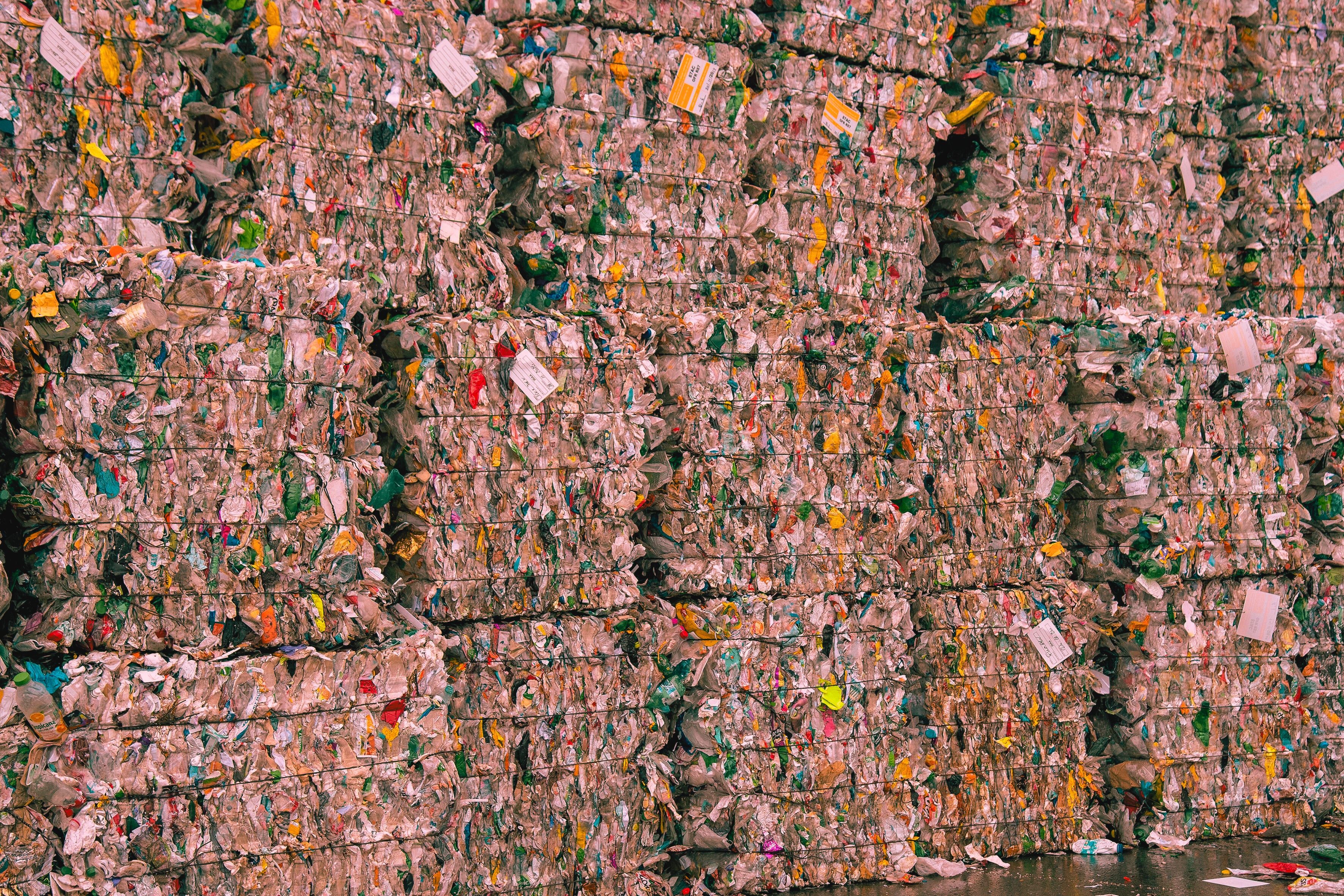
The European plastics industry has long been the epitome of the modern linear economy: raw materials are extracted, transformed into products, briefly used, then discarded as waste. This paradigm is rapidly transforming. New European Union (EU) regulations, reinforced by powerful market forces, are driving the plastics value chain toward a more circular economy, where materials are reused, recycled, and reintegrated into production cycles rather than ending up in landfills. This shift represents more than environmental policy reform; it is fundamentally reshaping business models and compelling professionals across sectors to reconsider their role in an economy where sustainability and competitiveness converge.
Regulatory Momentum
The EU has been spearheading circular economy policy for over a decade, but its latest regulations mark a decisive shift from voluntary commitments to binding legal requirements.
The Packaging and Packaging Waste Regulation (PPWR), which entered into force in 2025, exemplifies this new approach. It requires all packaging to meet recyclability criteria by 2030 and sets ambitious recycling targets: 55% of plastic packaging must be recycled by 2030, rising to 70% by 2040. Member states must implement deposit-return systems for beverage containers by 2029, and plastic packaging must progressively incorporate recycled content–30% for beverage bottles by 2030. These aren't aspirational goals; they're legally binding requirements with enforcement mechanisms.
Supporting legislation targets other circular economy gaps: new rules mandate certified protocols to prevent plastic pellet losses, while revised waste shipment regulations ban plastic waste exports to non-OECD countries. Together, these policies aim to minimise environmental harm while establishing a functioning market for recycled materials, making circularity not just environmentally sound but economically viable.
Market Forces Compounding the Push
While regulation provides the framework, market dynamics are equally powerful drivers pushing companies toward circular models. Consumer preferences, investor expectations, and corporate sustainability commitments are converging to make circularity not just a regulatory obligation but a competitive necessity.
Consumer demand for sustainable packaging is reshaping corporate strategy. Multiple studies indicate that a significant majority of consumers express willingness to pay a premium for products with sustainable packaging. More importantly, purchasing behaviour is beginning to align with these stated preferences, particularly among younger demographics. Brands that fail to adapt risk losing market share to competitors offering credible sustainability credentials.
Investors are also applying pressure. Environmental, social, and governance (ESG) criteria have become standard elements of investment analysis, with capital increasingly flowing toward companies demonstrating genuine circular economy commitments. Poor environmental performance can affect credit ratings, increase capital costs, and limit access to certain investment funds.
Movements and Reality on the Ground
The plastics industry is responding in measurable ways. The EU's circular material use rate for plastic packaging, the share of recycled content in total consumption, increased by 43% from 2018 to 2020. Mechanical recycling capacity has also grown substantially, with post-consumer plastic recycling reaching 7.2 million tonnes in 2023.
Yet progress is uneven, and economic realities threaten to undermine these gains. EU plastics production declined by 12% from 2018 to 2024, pressured by high energy costs and competition from cheaper imports. More critically, recyclers struggle to compete against inexpensive virgin plastic from global markets, creating a paradox: regulations demand more recycled content, but the economics often favour virgin materials. Policymakers are now considering measures to strengthen documentation requirements and impose import restrictions to level the playing field, recognising that a circular economy cannot succeed if recycled materials cannot compete economically.
Professional Implications
For professionals working in plastics-related fields, whether in manufacturing, packaging design, recycling logistics, or corporate sustainability, this regulatory and market shift presents both challenges and opportunities.
Skills and career trajectories are evolving. Professionals focused exclusively on traditional linear production models may find their expertise becoming less relevant as industries adapt. In contrast, those developing expertise in circular economy principles, such as sustainable materials engineering, lifecycle assessment, extended producer responsibility, and regulatory compliance, position themselves for growing demand. Organisations increasingly seek professionals who can navigate the intersection of sustainability requirements and growth strategy.
The work itself is also changing. Companies leading the circular economy transition often require complex problem-solving, cross-disciplinary collaboration, and the ability to integrate long-term sustainability considerations into immediate business decisions. While not universal, many organisations in this space offer opportunities to work on meaningful challenges that align environmental impact with commercial viability, a combination that appeals to professionals seeking both intellectual engagement and purpose-driven work.
Final Reflection: Positioning Yourself for the Future?
The shift toward a circular plastics economy in the EU is more than environmental policy or corporate messaging, it represents a fundamental restructuring of supply chains, market dynamics, and career pathways. Binding regulations, evolving consumer expectations, and changing investment criteria are reshaping the industry in real time.
This transformation raises important questions for professionals at every level: Are you building skills that will remain relevant as circularity becomes the norm? Is your current role positioning you for the economy being built, or the one being phased out? As regulatory requirements tighten and market expectations shift, the gap between those who adapt and those who don't will widen.
Moving to a more circular economy is not just a policy aspiration, it is becoming a business necessity and a career-defining capability. For professionals willing to engage with its complexities, it offers the chance to work on meaningful challenges at the intersection of innovation, sustainability, and commerce. The question is no longer whether this transition will happen, but whether you'll be positioned to benefit from it.
FAQs
Got A Question?
Everything you need to know about impact careers, sustainable job opportunities and our talent network in one easy place.
Our House Views content library and Awareness to Action series share insights on sectors, roles and career moves. Many candidates use these resources to narrow their focus before speaking with us.
Because the numbers are clear. Green and transition sectors are growing faster than the rest of the economy, attracting capital, talent and innovation. Positioning yourself there is a commercial decision, not just a values one.
Awareness to Action is our interview and insight series. We speak with leaders across the impact economy and turn real conversations into practical guidance for careers, teams and capital.
Yes, we regularly feature impact investors, founders and sustainability leaders in interviews and House Views content. If you have something valuable to share with the impact economy, we would love to hear from you.