Fertiliser Supply, CBAM & the Global Food Price Shock

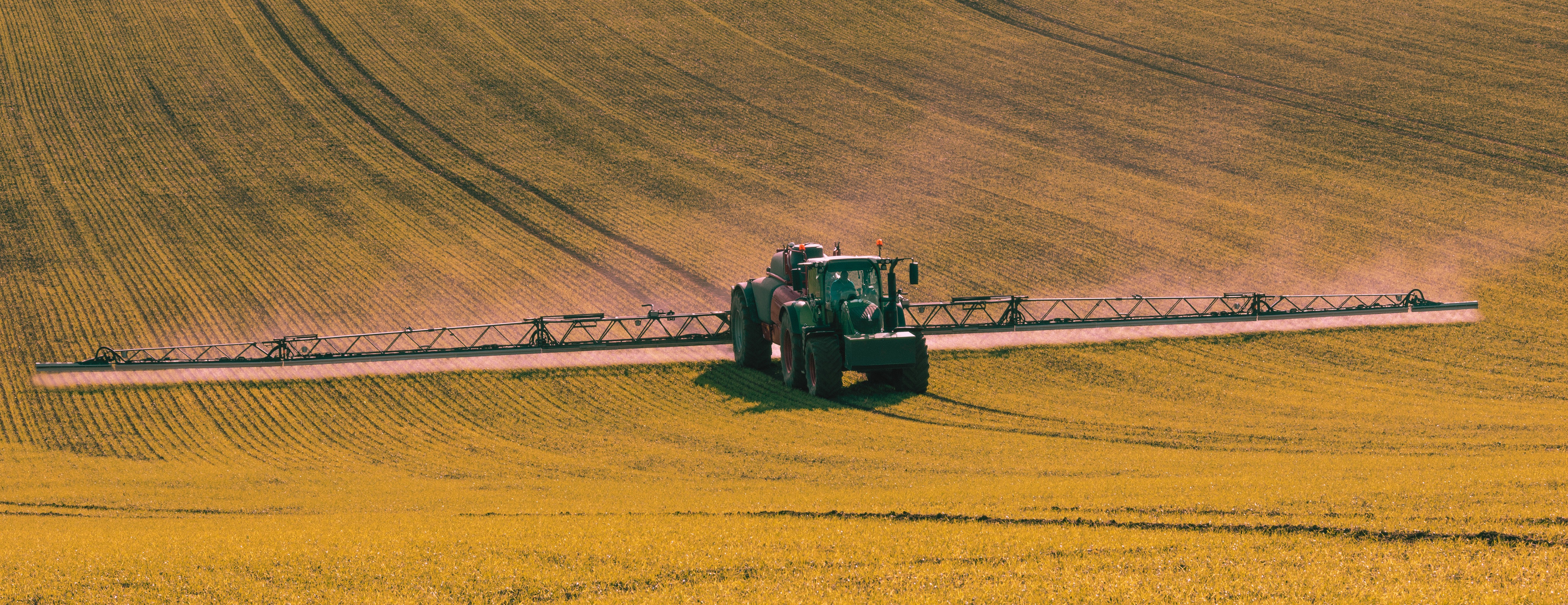
Fertiliser supply is under pressure. First came EU tariffs on Russian and Belarusian fertilisers. Then came the cost and compliance implications of CBAM (Carbon Border Adjustment Mechanism) for nitrogen imports. Now, ongoing conflict in the Middle East has transformed a policy headache into a live supply-chain shock.
How EU Tariffs and CBAM Affected Fertiliser Supply
Before missiles and shipping alerts dominated headlines, structural pressures were already building.
In June 2025, the EU imposed new tariffs on fertilisers and agricultural goods from Russia and Belarus, aiming to reduce import dependency on these sources. Then, on January 1, 2026, CBAM entered its full enforcement phase, specifically targeting nitrogen fertilisers and adding carbon-cost exposure to a market where Europe depends heavily on external suppliers.
The Agricultural Industries Confederation (AIC) flagged this risk in advance, noting that these regulatory changes, combined with geopolitical and logistical pressures, could significantly constrain supply. That warning has now materialised.
How Rising Fertiliser Costs Drive Food Inflation
The latest escalation in the Middle East is relevant to global food prices because of a critical dependency: energy constitutes up to 70% of fertiliser production costs according to industry analysis.
The Strait of Hormuz, which carries approximately one quarter of the world's oil trade and substantial fertiliser volumes, has become a critical chokepoint. According to Reuters, roughly one-third of the world's fertiliser trade passes through this corridor.
When this route faces disruption, natural gas prices, ammonia costs, freight rates, and insurance premiums all spike. Recent market data shows Middle Eastern urea prices have surged approximately 40% (from below $500 to over $700 per metric ton).
This is how fertiliser price volatility cascades into broader food security concerns.
What Supply Volatility Reveals about Future-Ready Organisations
Consider what these shocks reveal about organisational resilience.
Some businesses still treat such disruptions as anomalies: bad luck to be weathered. Forward-looking organisations recognise them as baseline operating conditions and build accordingly.
You can identify the difference through their practices:
- Diversified sourcing strategies that reduce single-region dependency
- Carbon-aware procurement that anticipates regulatory costs
- Systematic exposure mapping across energy, freight, and currency risks
- Working capital discipline that provides flexibility during price spikes
- Shortened decision loops between commercial teams and operations
These capabilities don't just protect margins during crises, they create competitive advantage in volatile markets. Organisations that build this kind of resilience are better positioned to maintain performance, retain customers, and capture opportunities when less-prepared competitors are still scrambling to respond.
Skills that grow in resilient and impact-led businesses
This directly affects your professional development and long-term employability.
If your role teaches you how energy markets influence input costs, how regulations reshape trade flows, and how supply stress translates to customer pricing, you're developing portable judgment.
The market increasingly rewards professionals who can simultaneously navigate impact, cost, risk, and execution. Those who can speak fluently across these domains, connecting geopolitical events to operational decisions to customer outcomes, are becoming indispensable.
The Career Questions Worth Asking Now
- Is my organisation preparing for repeated disruption, or merely reacting after damage occurs?
- Am I acquiring capabilities relevant to a carbon-constrained, resource-limited, and geopolitically volatile economy?
- Does my work help customers, communities, or supply systems build resilience, or does it depend on yesterday's assumptions?
These are strategic career assessments.
The organisations best positioned for the coming decade are those asking the hardest operational questions today about things like supplier concentration, carbon exposure, energy dependency, and scenario planning.
Final Words
The current fertiliser crisis is a test case. It shows which organisations anticipated policy shifts like CBAM, which built resilience into their supply chains, and which are now scrambling to adapt.
These patterns reveal which business models are fragile, which organisations are genuinely preparing for systemic change, and which careers are building durable value in an uncertain world.
As CBAM enforcement continues, as geopolitical tensions persist, and as climate impacts intensify, the gap between reactive and resilient organisations will only widen.
The professionals and organisations who recognise these connections won't just weather the next crisis, they’ll be positioned to lead through it.
The question isn't whether more disruption is coming. It's whether you're developing skills and judgment in an environment that treats disruption as the baseline, not the exception.
FAQs
Got A Question?
Everything you need to know about impact careers, sustainable job opportunities and our talent network in one easy place.
Our House Views content library and Awareness to Action series share insights on sectors, roles and career moves. Many candidates use these resources to narrow their focus before speaking with us.
Because the numbers are clear. Green and transition sectors are growing faster than the rest of the economy, attracting capital, talent and innovation. Positioning yourself there is a commercial decision, not just a values one.
Awareness to Action is our interview and insight series. We speak with leaders across the impact economy and turn real conversations into practical guidance for careers, teams and capital.
Yes, we regularly feature impact investors, founders and sustainability leaders in interviews and House Views content. If you have something valuable to share with the impact economy, we would love to hear from you.