Fishing Quota Cuts 2026: Overfishing & Coastal Impacts

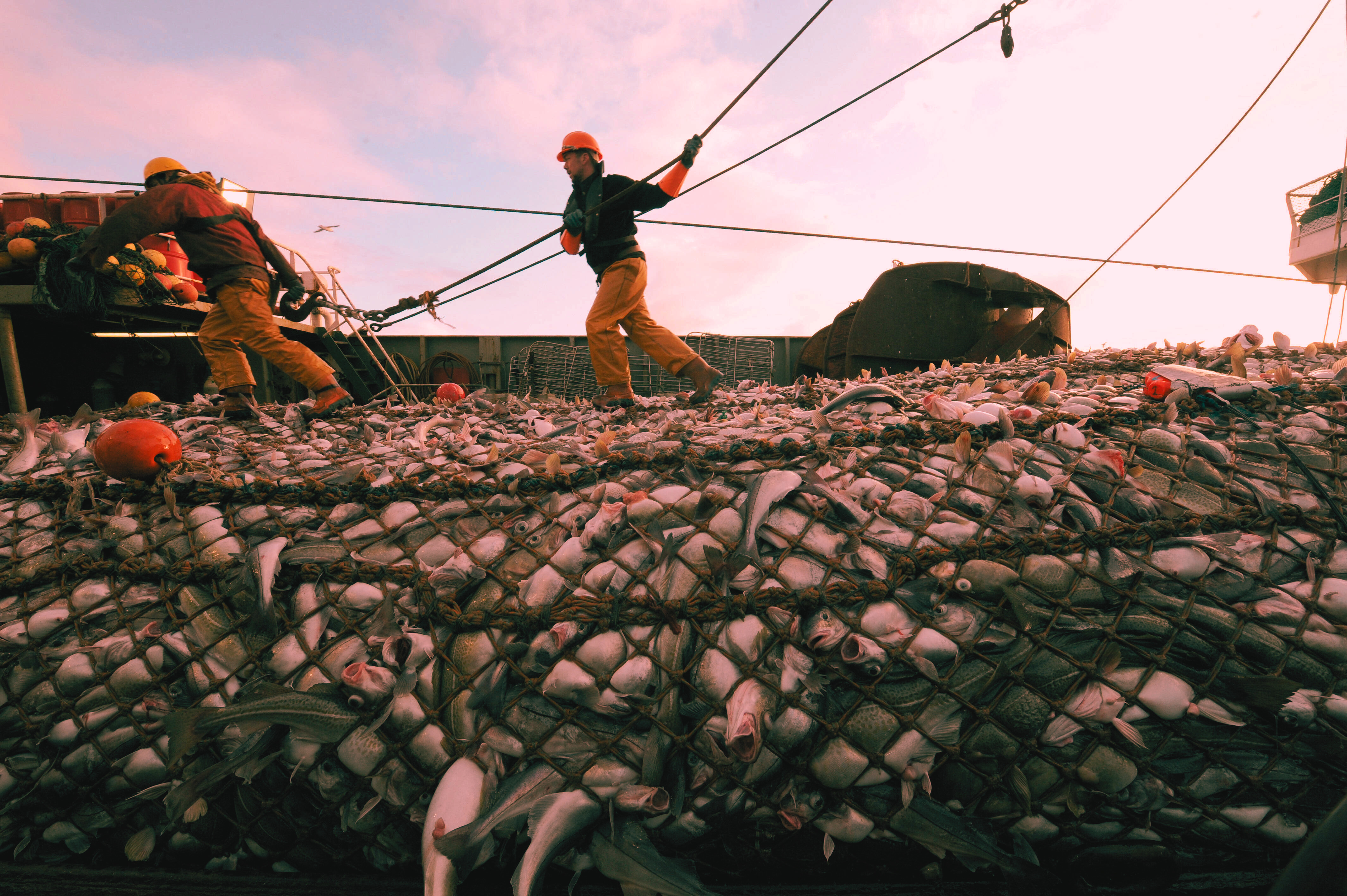
Late 2025 brought sobering news for European fishing communities. When EU ministers set fishing limits for 2026, the numbers told a stark story: Ireland's fishing opportunities dropped by 60,000 tons, representing a €102 million annual loss.
This isn't just a policy adjustment. It's a warning sign that overfished stocks are reaching critical levels, and the consequences are landing hardest on working harbours and the communities that depend on them.
Why Fishing Quotas Are Tightening in 2026
The Science Behind the Cuts
The numbers are dramatic. ICES (International Council for the Exploration of the Sea) advised that 2026 mackerel catches should not exceed 174,357 tons, a staggering 70% reduction from the 2025 recommendation of 576,958 tons.
While the EU reports that 81% of fishing opportunities in the Atlantic and North Sea now meet sustainable Maximum Sustainable Yield (MSY) levels, the most concerning conversation was surrounding mackerel: Coastal states couldn't even agree on a full Total Allowable Catch (TAC), forcing a provisional quota instead.
The real issue isn't scientific uncertainty, it’s management failure. When international coordination stalls, fish stocks continue declining, forcing even more severe restrictions later. The uncomfortable question facing policymakers: how can they build the foresight needed to prevent these economic shocks before communities bear the full cost?
Overfishing is a Global Problem
Europe's struggles reflect a worldwide crisis. The FAO's 2025 global review found that 35.5% of monitored marine fish stocks are overfished, a figure that has increased by approximately 1% annually in recent years.
However, the same review offers hope: regions with strong governance show significantly higher sustainability rates. This suggests that quota cuts, while painful, aren't punishments, they’re emergency interventions to prevent ecological decline from becoming biological collapse.
The Core Question is if catches consistently exceed renewal rates, what's left to protect? Today's income, or tomorrow's fishery?
The Human Cost: How Coastal Communities Absorb the Shock
Ireland's Crisis in Numbers
Ireland's 2026 pelagic quota totals just over 93,000 tons, valued at €73 million, a 52% drop in value from 2025. The mackerel quota alone fell 73% to 10,907 tons.
According to BIM (Ireland's seafood development agency), these cuts will impact:
- Fleet capacity planning
- Processing facility throughput
- Communities dependent on specific fisheries
Scotland Faces Similar Challenges
Scottish ministers acknowledged that quota reductions would damage the entire pelagic supply chain, implementing emergency landing rules to protect jobs and investment.
In 2023 alone, four major mackerel processors employed over 300 production and operations staff. What happens when the boats remain but there is an insufficient volume to maintain shifts, wages, and economic confidence? This is where policy becomes personal: when quota percentages lead to cancelled mortgages and closed businesses.
Building Fairer Solutions to Overfishing
Institutional Action Required
Effective solutions need coordinated effort across multiple levels:
Government & Policy:
- Science-based catch limits with strict enforcement
- Binding international sharing agreements
- Targeted financial support for affected fisheries and processors
Industry Standards:
- Transparent, traceable supply chains
- Higher sourcing standards across the sector
- Accountability throughout the distribution network
Listing solutions is easier than implementing them. How do governments enforce binding international agreements when coastal states couldn't agree on mackerel quotas? Who funds the transition for fisheries facing immediate losses? How does an entire industry build traceable supply chains when existing infrastructure was not designed for transparency? These are the practical barriers between recognising the problem and building systems that address it.
Consumer Power Matters
Individual choices, multiplied across millions of purchases, create market pressure.
Organisations like WWF encourage consumers to ask: How was this seafood caught or farmed? Where does it come from? Is the source sustainable? Certification schemes like the Marine Stewardship Council exist, though questions remain about verification and enforcement in practice. Still, collective consumer demand across supermarkets, restaurants, and supply chains can drive industry transformation when buyers insist on transparency.
Conclusion: Who Acts First?
Fishing quota cuts are a symptom, not a solution. They reveal how severely stocks have declined, and the economic shock to coastal communities shows the true cost of delayed action.
The critical questions are no longer "if" but "who" and "how": Will governments coordinate before the next crisis? Will markets reward traceable, sustainable seafood? Can consumer pressure create demand for transparency, or does real change require systemic reform beyond individual purchasing choices?
The science is clear, the consequences are visible, and the clock is running.
FAQs
Got A Question?
Everything you need to know about impact careers, sustainable job opportunities and our talent network in one easy place.
Our House Views content library and Awareness to Action series share insights on sectors, roles and career moves. Many candidates use these resources to narrow their focus before speaking with us.
Because the numbers are clear. Green and transition sectors are growing faster than the rest of the economy, attracting capital, talent and innovation. Positioning yourself there is a commercial decision, not just a values one.
Awareness to Action is our interview and insight series. We speak with leaders across the impact economy and turn real conversations into practical guidance for careers, teams and capital.
Yes, we regularly feature impact investors, founders and sustainability leaders in interviews and House Views content. If you have something valuable to share with the impact economy, we would love to hear from you.