Invasive Species: The Financial Risk We Are Missing

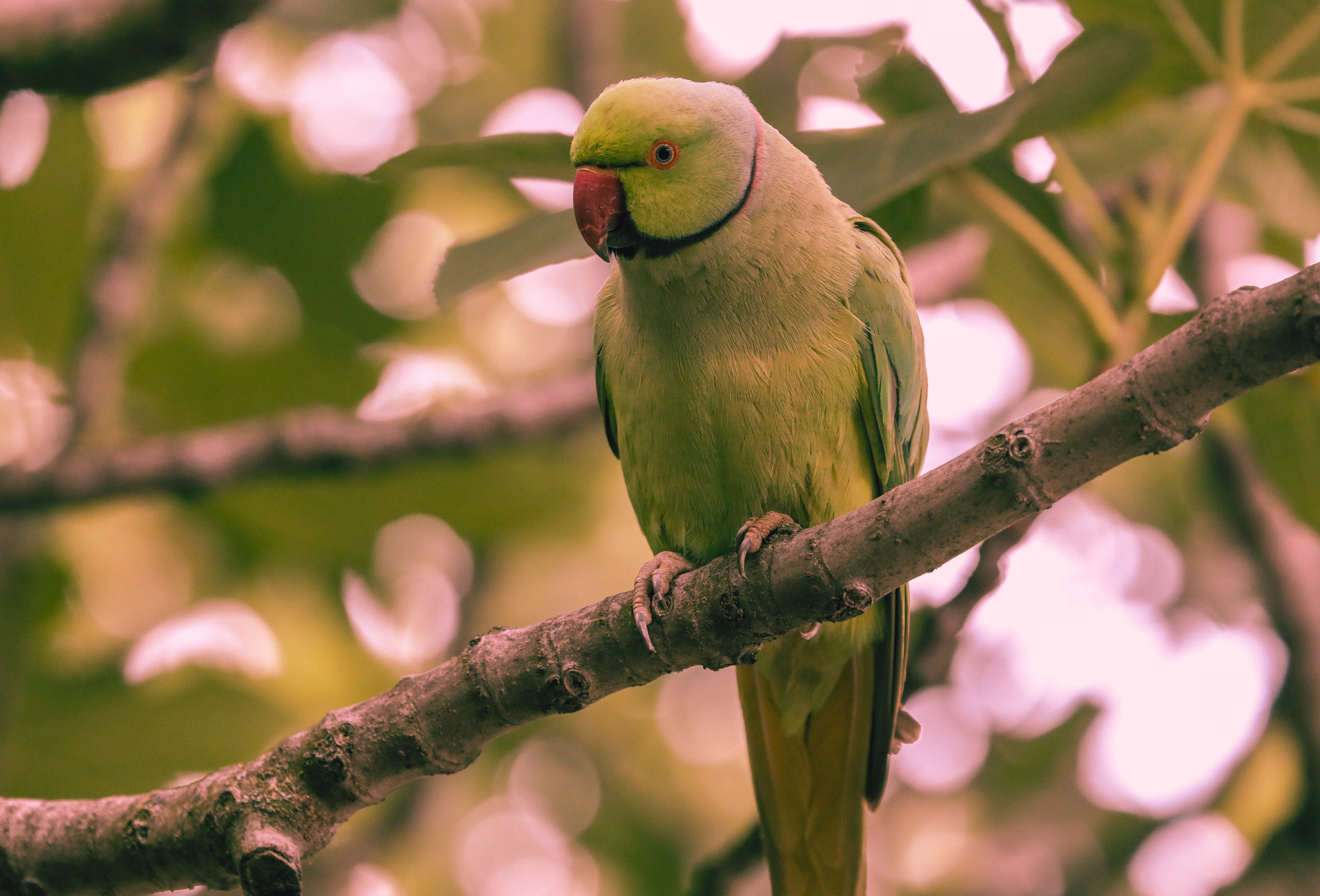
Throughout history, human activity has accelerated the spread of species into environments where they did not evolve. When European ships arrived in Australia, rats came with them. Rabbits arrived soon after for hunting, camels were imported as pack animals for desert transport, and cane toads were introduced deliberately in 1935 to control agricultural pests, a decision with consequences nobody anticipated. Each species spread into a landscape with few natural predators to keep it in check.
Global trade and travel have dramatically increased how quickly and how far species now move, well beyond anything that would happen naturally. As a result, more places are being exposed to more species, more often, and the costs of that exposure are increasingly landing on businesses, governments, and communities rather than staying contained within ecosystems.
The IPBES Global Assessment estimated that between 2005 and 2018, invasive species accounted for more than 10% of global degradation of land, freshwater, and marine ecosystems. That cost shows up in very different ways depending on the species involved. Japanese knotweed, for instance, is a plant capable of pushing through tarmac and foundations, and its presence alone can be enough to depress a property's value or block a sale entirely. Invasive mosquito species carry and spread diseases including dengue, Zika, malaria, and West Nile fever into regions that previously had no exposure to them. Individually, these are very different problems. Together, they form part of a global bill for biological invasions that reached $423 billion in 2019.
Invasive Species Financial Risk Is Growing, But Company Understanding Is Thin
Companies broadly lag behind in understanding how nature-related risks, including invasive species, translate into financial exposure. Research on corporate biodiversity risk points to a consistent gap: unlike climate risk, which has established metrics and reporting frameworks, nature and biodiversity risk lacks standardised ways of measurement and pricing, so it rarely appears in financial planning until something forces the issue. Many of the costs of invasive species are absorbed elsewhere first, in higher taxes that fund control programmes, or in higher prices passed down supply chains, long before they reach a company's own finances.
Jellyfish blockages of power plant cooling systems are a recurring example of this. An invasive jellyfish blocked the seawater intake pipes of Israel's two biggest power plants in 2001, and similar jellyfish-driven shutdowns have since hit power stations in Scotland, California, Florida, and Sweden. Freshwater systems face a different but equally persistent version of the same problem: in the Great Lakes, which straddle the US-Canada border and supply cooling water to numerous power plants, invasive zebra and quagga mussels colonise intake pipes so persistently that the US Fish and Wildlife Service estimated the cost to power plants alone at around $5 billion between 2000 and 2010.
Individually, these events can feel like little more than a nuisance. The Israeli blockage cost just $50,000. Taken together, however, the global cumulative cost of biological invasions between 1970 and 2017 reached $1.288 trillion, with much of that total concentrated in the US, Australia, and Canada. That concentration reflects where invasion costs have been most closely studied and documented, meaning the true global figure, once less-monitored regions are properly accounted for, is likely far higher.
Invasive Species Financial Risk Hits Food Systems First
Of all the sectors exposed to invasive species, food systems are hit most often. When a new insect or disease enters an area with no natural predators or resistant crop varieties, it can devastate local harvests. According to the UN Food and Agriculture Organization, pests and diseases are responsible for the loss of 20 to 40% of global crop yields every year.
Fall armyworm is one of the clearest examples of this in action. Originally native to the Americas, this caterpillar pest has spread rapidly since 2016 across Africa and Asia, feeding on maize and other staple crops. In Africa alone, it now causes annual losses estimated at $7.7 billion to $12.1 billion. In North and South America, where the pest originated and some natural resistance and control measures exist, it still accounts for around 4% of maize crop losses each year.
With food prices already under pressure, invasive species are becoming a commercial problem as much as a biological one. Companies that can spot outbreaks early, diversify vulnerable supply chains, protect yields, and build more resilient sourcing models will have a real advantage. This puts serious value on agronomists, supply-chain specialists, commodity analysts, food-sector operators, risk modellers, and commercial leaders who understand where the system is fragile and know how to act before disruption becomes expensive.
The Banana Industry Shows How Concentration Becomes Fragility
The banana industry is perhaps the best example of commercial vulnerability to invasive species. Worth around $167 billion, production is spread across more than 150 countries, yet the industry's fortunes have long rested on a single dominant variety at a time.
Until the 1950s, that variety was the Gros Michel, then the world's main commercial banana. Panama disease, a fungal pathogen and itself an invasive species, spread through the industry's plantations via soil, tools, water, vehicles, and clothing, and effectively wiped Gros Michel out as a commercial crop. The industry's response was not to solve the underlying vulnerability but to replace it, switching global production to the Cavendish variety, which was resistant to that particular strain of the fungus.
Panama disease has since evolved. Its latest strain, Tropical Race 4, can persist in soil for decades and cause total yield loss, and it is now spreading through Cavendish plantations, the very variety the industry adopted to escape the disease the first time around.
Why Nature Risk Careers and Biosecurity Careers Are Becoming More Valuable
Many organisations can recognise invasive species as an environmental problem. Far fewer can work out where that risk touches revenue, costs, assets, insurance, procurement, operations, or customer demand.
Leadership must be proactive. Executives need people who can ask practical questions: which crops, suppliers, factories, ports, waterways, or assets are exposed? What would happen if a pest, pathogen, weed, or marine organism disrupted the supply for six months? Is the business over-reliant on one region, one crop variety, one supplier, or one form of infrastructure?
For professionals, natural risk isn’t going anywhere. It creates demand for people who can work across disciplines, and investors who can help find alternatives.
Invasive species may sound like a niche environmental issue. The evidence points somewhere else. The same underlying risk shows up in property values, public health, power generation, and global food supply. The organisations that treat it as a financial risk, not just an ecological one, will be the ones equipped to see it coming next time.
FAQs
Got A Question?
Everything you need to know about impact careers, sustainable job opportunities and our talent network in one easy place.
Our House Views content library and Awareness to Action series share insights on sectors, roles and career moves. Many candidates use these resources to narrow their focus before speaking with us.
Because the numbers are clear. Green and transition sectors are growing faster than the rest of the economy, attracting capital, talent and innovation. Positioning yourself there is a commercial decision, not just a values one.
Awareness to Action is our interview and insight series. We speak with leaders across the impact economy and turn real conversations into practical guidance for careers, teams and capital.
Yes, we regularly feature impact investors, founders and sustainability leaders in interviews and House Views content. If you have something valuable to share with the impact economy, we would love to hear from you.