Renewables Overtook Coal for the First Time Since 1919

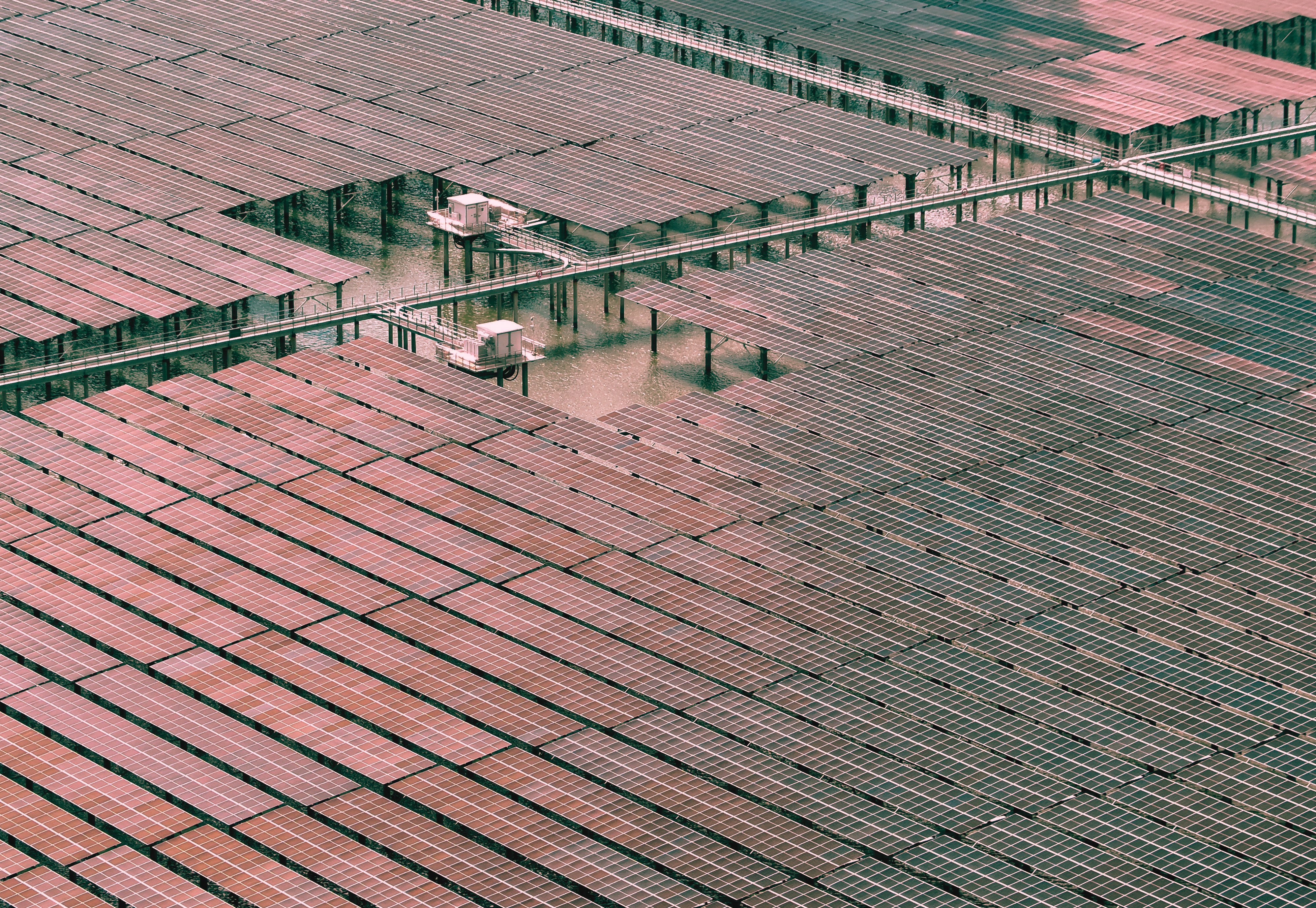
For the first time since 1919, renewable energy generated more electricity worldwide than coal. According to Ember's Global Electricity Review 2026, renewables produced 33.8% of global electricity in 2025, narrowly ahead of coal's 33.0%. The two had only crossed once before, briefly, in 1919, when hydropower edged ahead before coal's long rise to dominance through the 20th century. This time the change looks more durable, driven by rapid advances in solar and wind rather than a single source like hydropower.
The pace of deployment has shifted just as dramatically. In 2004, it took the world a year to add a gigawatt of solar capacity. Today, according to Our World in Data, it takes about a day. Sharp falls in solar costs over the past two decades have made that pace possible.
For engineers, strategists, energy consultants, project financiers, operators, and professionals in adjacent sectors, the opportunity is enormous. Renewable energy has become one of the biggest infrastructure shifts in modern history, and the next phase will depend on serious people who can finance, build, connect, optimise, and scale.
The Breakthrough Is No Longer Just Generation
Previously, people debated whether renewables could generate sufficient affordable power. That is no longer the central question.
Solar and wind are now scaling at an enormous speed. The harder problem is what happens next: grids, storage, flexibility, planning, permitting, supply chains, and customer adoption.
Renewable energy is becoming abundant in some markets, but abundance is only useful if the system can use it. The next phase of renewables is less about proving the technology works and more about making the system work around it.
Cheap Power Still Needs Serious Infrastructure Investment
It took decades for electricity to reach every home. Even after the Second World War, some homes were still not connected to the National Grid. Nor did petrol stations appear in every town overnight.
The same will be true for renewables.
Whether it's EV charging stations, energy storage, grid expansion, or the electrification of transport, heating, and industry, we've still got a long way to go. Without storage, grid upgrades, interconnection, demand response, and better forecasting, renewable growth can create congestion and waste.
Battery storage is starting to make a difference, moving from a helpful add-on to core infrastructure. According to the IEA, battery storage was the fastest-growing power technology in 2025. New capacity added that year rose by around 40% to almost 110 GW.
Building out storage, grids, and demand-side infrastructure at this pace will require immense investment and, more importantly, talent: the people capable of deploying it. Engineers will need to design and connect new infrastructure. Finance professionals will need to make projects investable. Operators will need to deliver them at scale. Commercial leaders will need to bring new technologies into the mainstream.
Technology is not what will hold the next phase of the energy transition back. The availability of people who know how to build it is.
This Is Not a Smooth Victory Lap
Renewables may now be the largest source of global electricity, but fossil fuels collectively still generate around 57% of the total, while oil continues to dominate transport.
As the IEA notes, oil, gas, and coal demand all still grew in 2025, even as low-emissions sources supplied nearly 60% of global energy demand growth.
The technical and economic case for renewable generation is now largely established. The harder problem of integrating it across the economy remains unresolved. What’s important is that the centre of gravity is moving, and serious people are now needed to manage the difficult middle phase.
Renewable Energy Careers Aren't Always Where You'd Expect
Not every job inside the renewable energy transition looks like a renewable energy job. That will be increasingly true as renewables become a normal part of the energy landscape.
Making that transition work will require experts and professionals to solve hard problems in the parts of the economy that rarely get the headlines. From grid connections and heat pump installation to supply-chain resilience, maintenance, and asset management, renewables will touch almost every corner of the economy.
There's never been a better time to look sideways. The most interesting career move may not be into a company with "renewable energy" on the homepage, but into the firms removing the barriers around it: the installers, lenders, software platforms, infrastructure funds, grid specialists, manufacturers, and asset managers.
Investment tends to flow toward wherever the bottlenecks are, because that is where it is needed most and where the returns will eventually be made. Careers can follow the same logic. If renewables are going to scale from cheaper power to a working energy system, the valuable work will sit with the people who make that growth practical.
FAQs
Got A Question?
Everything you need to know about impact careers, sustainable job opportunities and our talent network in one easy place.
Our House Views content library and Awareness to Action series share insights on sectors, roles and career moves. Many candidates use these resources to narrow their focus before speaking with us.
Because the numbers are clear. Green and transition sectors are growing faster than the rest of the economy, attracting capital, talent and innovation. Positioning yourself there is a commercial decision, not just a values one.
Awareness to Action is our interview and insight series. We speak with leaders across the impact economy and turn real conversations into practical guidance for careers, teams and capital.
Yes, we regularly feature impact investors, founders and sustainability leaders in interviews and House Views content. If you have something valuable to share with the impact economy, we would love to hear from you.