Welsh Wildfire: The Century-Long Damage

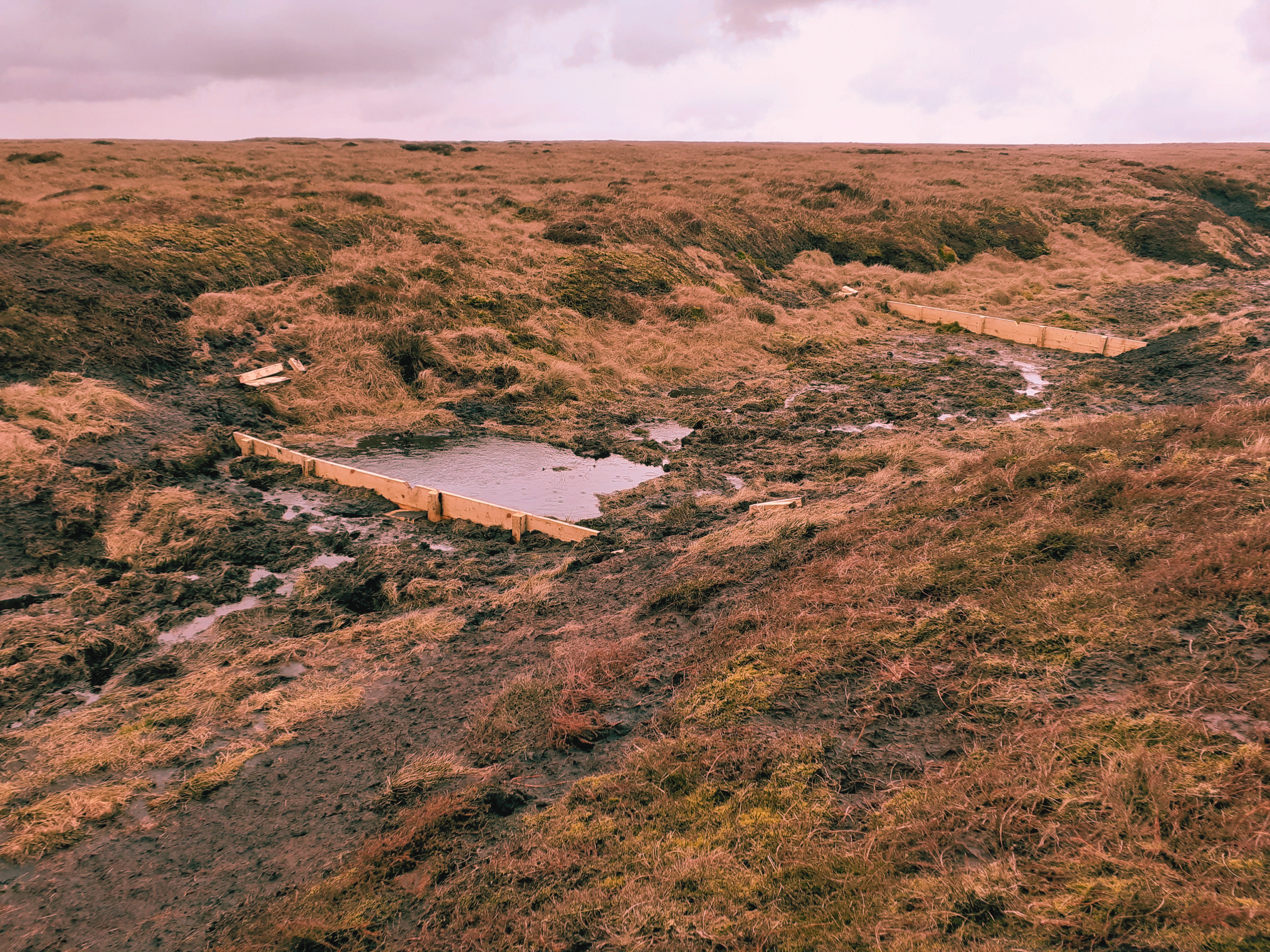
The Rhinogydd wildfire in Wales burned for nearly two weeks, torching over 2,000 acres, and the damage it left behind could last centuries. The Rhinogydd mountain range in Gwynedd contains a Nature Reserve and Special Area of Conservation, home to dry heath, wet heath, blanket bog, old sessile oak woodland, and rare plant and animal species, exactly the combination of habitats that earned it that legal protection in the first place. While the initial blackened surface may give a startling picture, it's only part of the damage. The real problem lies beneath the surface. Natural Resources Wales has confirmed the full scale of the damage has not yet been properly assessed, with specialists noting that the severity of the loss depends on how far the flames penetrated below the surface.
Burn Depth Determines How Long Peatland Wildfire Recovery Takes
Grasses and shrubs can resprout after a shallow fire. Seeds are often embedded in the soil or can arrive quickly from surrounding vegetation. However, when a fire penetrates deep into the ground, as is the case with peat fires, restoring the landscape can take centuries.
According to Natural Resources Wales, peat in these uplands accumulates at approximately one millimetre per year. In 2018, a wildfire at Mynydd Llantysilio incinerated around 10 centimetres of peat in some areas. Eight years later, substantial patches still lack heather, which is normally one of the faster species to recover after fire, resprouting from seed or fire-resistant tussocks within five to ten years. Its continued absence suggests the fire burned deep enough to destroy the underground seed store entirely, not just the surface vegetation.
Rhinogydd's damage has not yet been formally assessed, but early accounts describe it as profound. Replacing the soil itself, the accumulated organic material that forms peat, is the biggest problem, since it can take decades or even centuries to build up again.
Wildfire Ecological Impacts Continue Beneath the Ground
Peat is a living ecosystem. It contains plant roots and underground stems, seed stores, fungi, microbial communities, and invertebrates. At Rhinogydd, rare moths and snakes were also among the many species that made the area home. Fire displaces or kills wildlife like this, and for species that were already rare and localised to begin with, losing a site this size can fragment what remains of their population, lowering the odds that population recovers on its own.
Ecosystems can recover from fire through reseeding and recolonisation from unburned patches nearby, and pioneer species like grasses are usually the first to return. This is a normal part of recovery. However, a site can get stuck at that early stage. Without active intervention, a burned peatland can remain dominated by grasses and easily dispersed plants indefinitely. It may never progress back to a sphagnum-rich bog capable of forming new peat, along with the heather and specialist species that depend on that habitat.
Scotland Shows How Peat Fires Release Ancient Carbon
Peat is the largest natural terrestrial carbon store on Earth. Despite covering only around 3% of the planet's land surface, it holds more carbon than all the world's forests combined. When peat burns, it can release colossal volumes of that stored CO2 back into the atmosphere.
In the summer of 2025, two wildfires merged into the Dava Moor Fire in northern Scotland, burning roughly 10,000 hectares over just four days and becoming the UK's first recognised megafire, around twice the size of the next-largest UK wildfire in the past 20 years. A subsequent study found the fire released an estimated 38,600 tonnes of carbon, nearly a year's worth of the UK's typical wildfire emissions in that single event. Peat combustion accounted for almost 85% of that total, with the remaining 15% coming from surface vegetation, such as heather, burning above ground.
Protecting peat landscapes, therefore, represents a vital benefit not just to plant and animal species, but to the climate as a whole. Reducing the risk of centuries of stored carbon being released in future fires is a key part of that effort, and one practical response is rewetting peatland by blocking drainage channels, constructing small dams, and restoring sphagnum moss, which helps form new peat.
Peatland Recovery Creates Opportunities for Welsh Companies
Once peat has burned, recovery is expensive and slow. Preventing it from burning in the first place should be a much easier investment to justify.
Wales has tripled its annual peatland restoration target from 600 to 1,800 hectares, aiming to restore 45,000 hectares by 2050. Delivering this will require individuals and organisations who can map degraded peat, model how water moves across a site, block drainage channels, grow sphagnum, manage vegetation, and track whether the water table and vegetation are recovering as expected.
Some of that expertise already exists in adjacent fields: surveying, agriculture, land management, and environmental consultancy. The sector is short-staffed, however, with specialist surveyors, hydrologists, and experienced machine operators willing to work in remote, difficult terrain all in short supply. That gap is the opening. Wales will need people bringing relevant adjacent experience, alongside real investment in training new entrants for peatland work specifically.
Peatland Recovery Requires More Than Ecologists
Wales may be heading for its worst wildfire year on record, and Rhinogydd will not be the last fire of this scale. Restoring it, and preparing for what comes next, is not a job for any single profession.
Drone operators can map burn depth and identify areas at greatest risk of erosion. Hydrologists can determine where rewetting is viable. Contractors can install peat dams and contour bunds, while land managers can adjust grazing to reduce dry, combustible vegetation.
As wildfires like this become more frequent, both sides of the work create opportunity: repairing the damage already done, and building the peatland resilience that makes the next fire less destructive.
FAQs
Got A Question?
Everything you need to know about impact careers, sustainable job opportunities and our talent network in one easy place.
Our House Views content library and Awareness to Action series share insights on sectors, roles and career moves. Many candidates use these resources to narrow their focus before speaking with us.
Because the numbers are clear. Green and transition sectors are growing faster than the rest of the economy, attracting capital, talent and innovation. Positioning yourself there is a commercial decision, not just a values one.
Awareness to Action is our interview and insight series. We speak with leaders across the impact economy and turn real conversations into practical guidance for careers, teams and capital.
Yes, we regularly feature impact investors, founders and sustainability leaders in interviews and House Views content. If you have something valuable to share with the impact economy, we would love to hear from you.