1.5°C Arrived Early. Where Careers Close the Gap

In 2018, the IPCC projected that global warming would reach 1.5°C above pre-industrial levels around 2040, if warming continued at the rate seen at the time. It didn't wait that long.
2023: 1.48°C
2024: 1.60°C
2025: 1.47°C
2026: 1.46°C (Met Office forecast)
According to Copernicus, the EU's climate monitoring service, the average of 2023 to 2025 already passed 1.5°C, the first three-year period on record to do so. A threshold expected in the 2040s has arrived a decade and a half early.
Why the 1.5C Threshold Was Never an Arbitrary Number
In its own 2021 Net Zero Strategy, the UK government warned: “Above 1.5°C we risk reaching climatic tipping points like the melting of arctic permafrost, releasing millennia of stored greenhouse gases, meaning we could lose control of our climate for good.” That strategy remains current government policy today.
The UK Is Making Progress Toward Its Net Zero Target, But Its Biggest Sectors Have Stalled
UK emissions fell 1.8% in 2025, the eleventh consecutive year of reduction, according to the Climate Change Committee. Yet transport, the UK's single largest source of emissions, and electricity supply, the sector that has driven most of the UK's progress since 1990, both saw emissions rise last year. Coal generation fell to zero for the first time, but gas generation rose to cover the gap, driven partly by nuclear outages, meaning the sector's overall emissions barely moved. The CCC states that 17% of the cuts needed to meet the UK's 2030 target currently have no government plan behind them at all. Warming is arriving faster than the UK's 2030 target assumed it would. The UK government has itself named the danger of exceeding 1.5°C, and it is still missing pieces of its own plan to hit that target.
You Don't Have to Wait for Government to Accelerate Climate Action
None of this means individual action is a substitute for policy. It means the gap between what is needed and what government delivery is providing has become large enough that other levers matter more than they used to.
One of the most direct levers most people have is not what they buy or how they travel. It is who they work for. An employer's supply chain, investment decisions, and industrial choices operate at a scale no individual's personal habits can match. A logistics company switching its fleet, a manufacturer redesigning a process, or an investor redirecting capital can move far more carbon than a single household's choices ever will, simply as a matter of scale.
UK Organisations Already Doing This Work
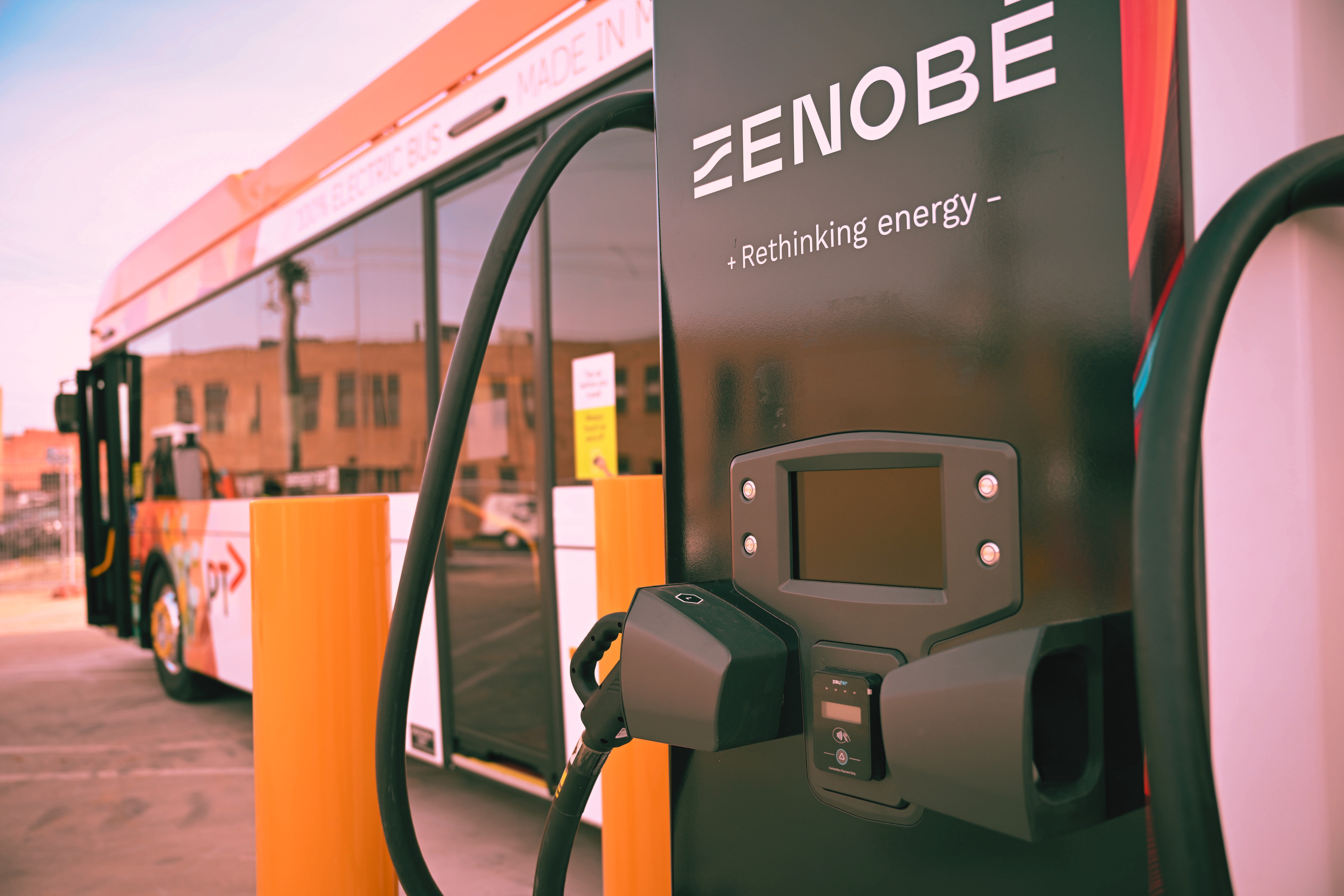
A wide range of UK organisations are already electrifying transport, decarbonising industrial processes, and redirecting capital toward the low-carbon transition, across energy, transport, industry, and finance. There is room for far more of this work than currently exists, but this is what it looks like where it is already happening. Octopus Energy has built a £7 billion renewables portfolio and now serves more than 11 million households globally, driving the electrification of heat and transport at genuine scale. Zenobē operates one of the UK's largest EV fleets and battery storage networks, helping logistics operators and public transport providers move away from diesel. Material Evolution, a UK manufacturer, produces cement with up to 85% lower emissions than the industry standard, and now runs the country's largest ultra-low carbon cement plant. The National Wealth Fund deploys public capital specifically to de-risk and accelerate private investment in decarbonisation, from energy storage to building retrofits.
Where You Work Is Already a Climate Decision
That cuts both ways. Some employers are actively slowing the transition, and some are actively building it. The businesses installing grid infrastructure, retrofitting buildings, developing lower-carbon industrial processes, or financing the transition are the ones absorbing this gap in real time, and not only in specialist environmental roles. They need people who can turn ambition into delivery, at the pace and scale these projects now require.
The UK is currently short a fifth of the plan needed to hit its own target. Someone still has to close that gap, sector by sector, project by project. Where you choose to work decides whether you are one of them.
FAQs
Got A Question?
Everything you need to know about impact careers, sustainable job opportunities and our talent network in one easy place.
Our House Views content library and Awareness to Action series share insights on sectors, roles and career moves. Many candidates use these resources to narrow their focus before speaking with us.
Because the numbers are clear. Green and transition sectors are growing faster than the rest of the economy, attracting capital, talent and innovation. Positioning yourself there is a commercial decision, not just a values one.
Awareness to Action is our interview and insight series. We speak with leaders across the impact economy and turn real conversations into practical guidance for careers, teams and capital.
Yes, we regularly feature impact investors, founders and sustainability leaders in interviews and House Views content. If you have something valuable to share with the impact economy, we would love to hear from you.