The CCC Says the UK Must Adapt. What Does That Mean for You?
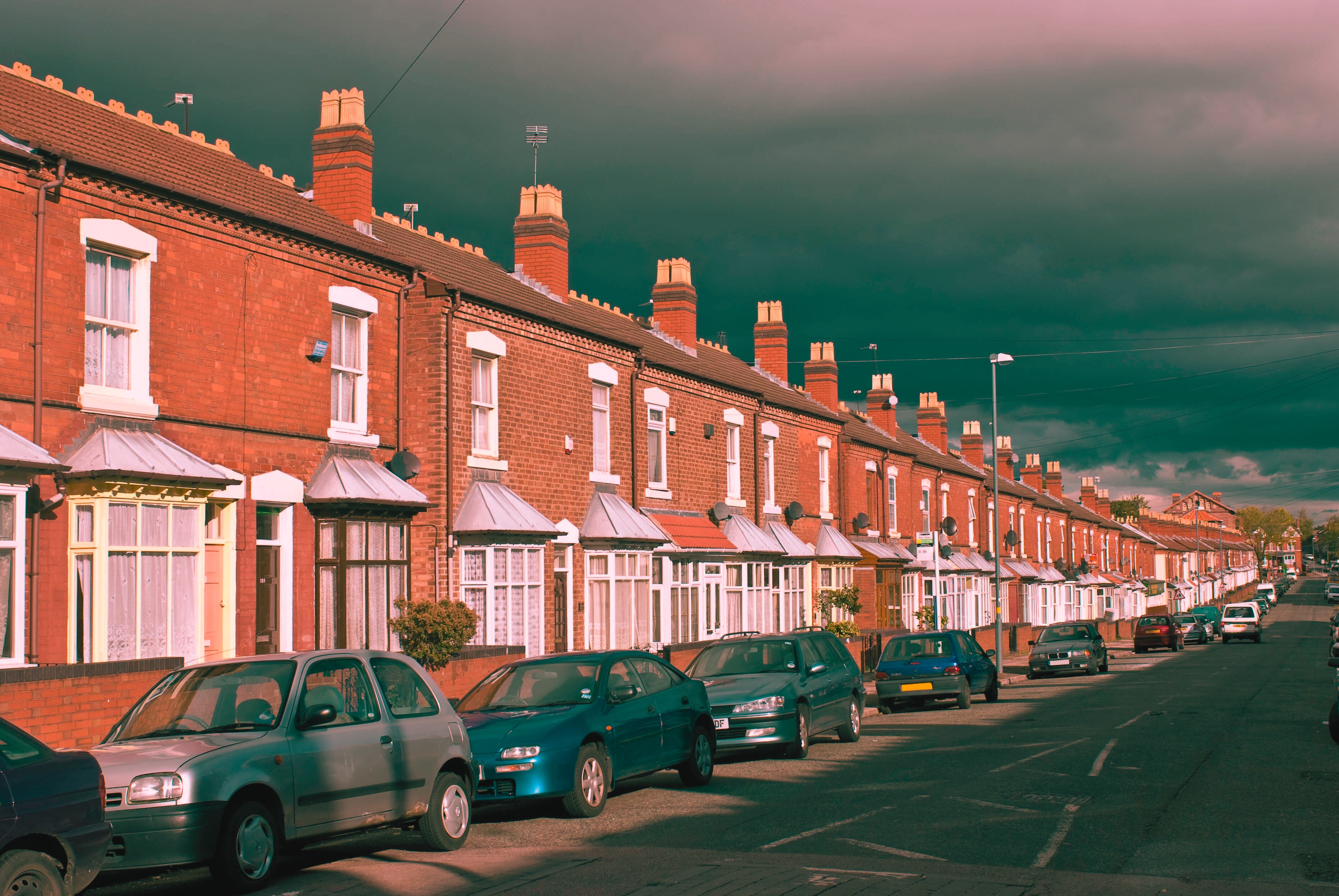
The UK was built for a climate that no longer exists. Homes, hospitals, roads, and energy networks were designed around cold winters, mild summers, and relatively predictable weather. Thick insulation, limited ventilation, and heat-retaining materials made sense in that world. As global temperatures move closer to 2°C above pre-industrial levels, those design choices are becoming vulnerabilities.
That is the warning at the centre of A Well-Adapted UK, the Climate Change Committee’s latest report. It argues that climate change is already undermining the UK’s security and prosperity, increasing the risk of supply chain shocks, flooding, wildfires, water shortages, and infrastructure disruption.
The question now is not whether the UK needs to adapt. It does. The question is whether government, businesses, and skilled professionals can move quickly enough to provide the practical solutions the country will need.
The CCC’s Climate Adaptation Warning is Now a Business Problem
Because so much of the UK was built for a milder climate, UK summers can feel harsher than temperatures alone suggest. Everything from road surfaces and railways to housing design and workplace infrastructure has been shaped by historical conditions that are no longer accurate.
For too long, climate change has been treated as something that sits inside "climate" or "sustainability" departments. That separation will become harder to maintain. As real-world climate impacts become more frequent, they will affect property values, operating costs, workforce safety, insurance exposure, infrastructure planning, and investment decisions.
The CCC estimates that around £11 billion per year of investment is needed to prepare the country for these changes. That money will not only fund physical infrastructure. It will also open opportunities for people who can assess risk, design projects, manage delivery, secure finance, communicate trade-offs, and turn adaptation plans into real-world decisions. For finance directors, commercial strategists, investors, engineers, and operational leaders, that represents a major shift. Their skills will be central to turning climate risk into practical resilience.
Climate Resilience Investment Is Creating New Opportunities Across the Economy
Much of the response to climate change has focused on mitigation: reducing emissions, decarbonising energy, and slowing future warming. That work remains essential. As heatwaves intensify, droughts become more disruptive, and flooding becomes a recurring pressure, adaptation is becoming a major priority in its own right.
The investment identified by the CCC cannot disappear into reports and policy documents. It has to translate into practical solutions: flood resilience, water efficiency, heat-resilient buildings, cooling technologies, supply chain redesign, climate risk modelling, new crop varieties, and stronger infrastructure.
The CCC also points to more specific measures, including cooling key public services, setting maximum workplace temperature limits, and improving drought resilience across the water sector.
These are not simply “green jobs.” Climate adaptation touches almost every part of the economy. Companies that can help protect assets, reduce disruption, and build resilience will become more valuable. The professionals who can help these companies scale practical resilience solutions will become more valuable, too.
Climate Adaptation Careers Are Not Just for Sustainability Specialists
Sustainability is moving beyond planning. Action is required. The most valuable people will likely not be those with “climate” in their job title, but those with deep commercial, technical or operational expertise who can apply their skills to a changing world.
That could mean an investor who builds cashflow models with climate resilience built in, an engineer who can improve resilience in the water sector, or a technology specialist who can turn complex data into better decisions.
Perfect prior experience will be rare. Climate adaptation cuts across too many systems for any one profession to own it entirely. Instead, it will require people who can work across disciplines, tolerate uncertainty, and help organisations turn broad risks into practical action.
Is Your Career Aligned With the Climate Resilience Economy?
Many people are quietly asking whether their skills are still aligned with where investment and opportunity are moving. Climate adaptation sharpens that question. With billions likely to be invested in resilience, the professionals who can help organisations prepare for disruption may find their skills increasingly in demand.
It is a dilemma many face: are your skills helping organisations solve the problems that will define the next decade, or are you becoming highly competent in systems that may become less relevant?
No career move is without risk. Moving into solution-led businesses can mean less certainty, less structure, and a less obvious path. In many sectors, professionals will have to pioneer new solutions rather than follow established playbooks.
For organisations, this is ultimately a people question. The plans, frameworks, and investment identified by the CCC will only translate into real-world resilience if the right professionals are in place to deliver them.
FAQs
Got A Question?
Everything you need to know about impact careers, sustainable job opportunities and our talent network in one easy place.
Our House Views content library and Awareness to Action series share insights on sectors, roles and career moves. Many candidates use these resources to narrow their focus before speaking with us.
Because the numbers are clear. Green and transition sectors are growing faster than the rest of the economy, attracting capital, talent and innovation. Positioning yourself there is a commercial decision, not just a values one.
Awareness to Action is our interview and insight series. We speak with leaders across the impact economy and turn real conversations into practical guidance for careers, teams and capital.
Yes, we regularly feature impact investors, founders and sustainability leaders in interviews and House Views content. If you have something valuable to share with the impact economy, we would love to hear from you.