Why Europe’s Climate Transition Needs Mid-Career Talent
Climate change is not happening evenly across the planet. Europe has been warming at around twice the global average since the 1980s, making it the fastest-warming continent on Earth.
Part of the reason is geography. Europe is mostly land, which warms faster than ocean, and its far north lies within the rapidly warming Arctic. Since the 1980s, cuts to air pollution have let more sunlight reach the ground, adding to summer warming. More frequent summer high-pressure systems have also made heatwaves more likely. The result is year after year of hotter summers and milder winters.
This changes the balance for European businesses, infrastructure, agriculture, and communities, but also, importantly, for your career.
Climate risks in Europe are already multiplying
According to the European Environment Agency (EEA), the continent faces 36 major climate risks across five areas: ecosystems, food, health, infrastructure, and the economy and finance. More than half require additional action now, and eight of those are particularly urgent.
Europe will need adaptation on a large scale, and the measures will differ across the continent because different areas face different risks:
Heat: the most serious climate risk to health across Europe, and a growing danger for outdoor workers in the south.
Drought and water scarcity: threaten crop production and water supplies, especially in southern Europe.
Wildfires: endanger people, ecosystems and buildings, with southern Europe most at risk.
Inland flooding: already at critical levels, threatening people and infrastructure.
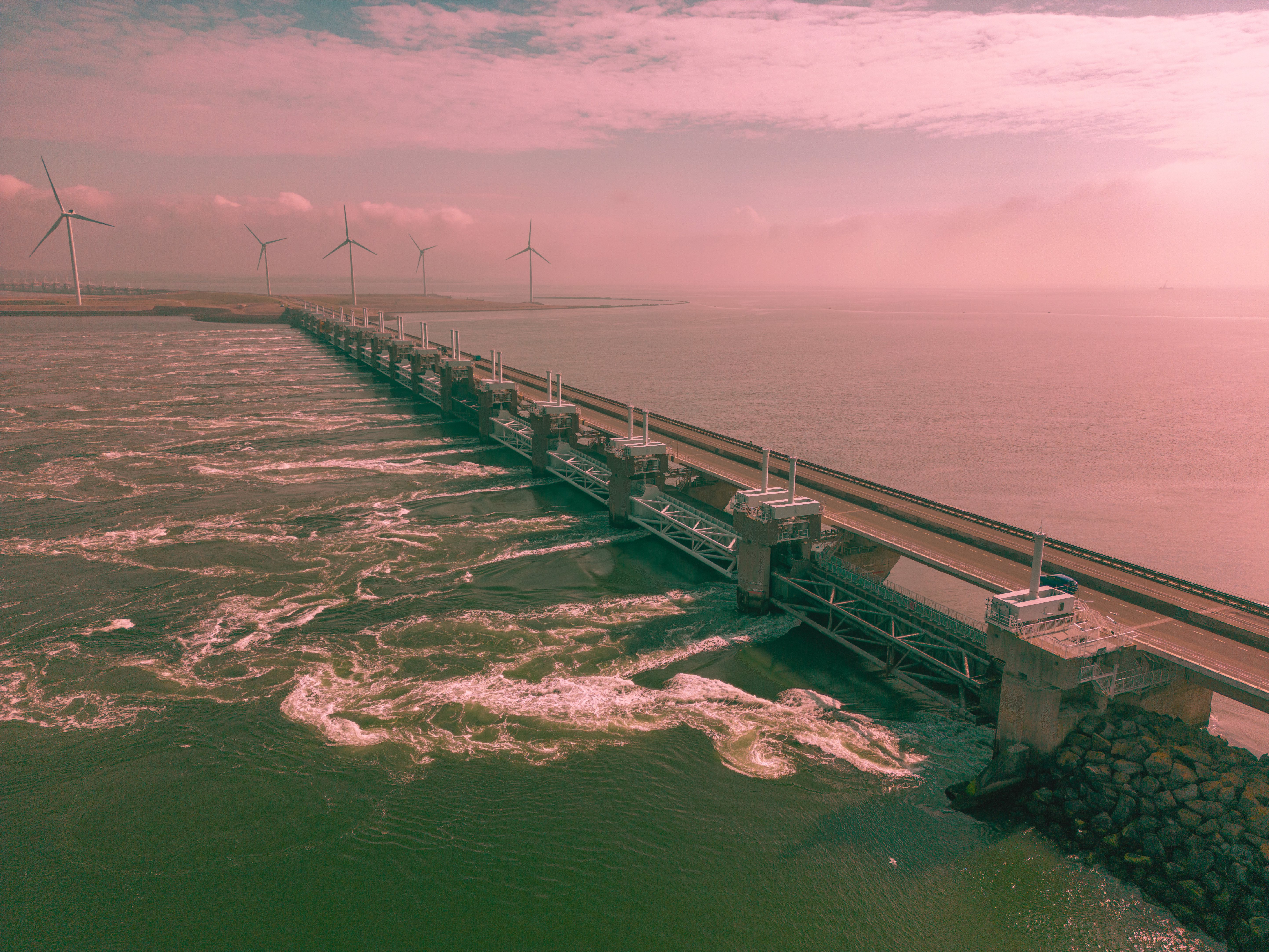
Coastal flooding: low-lying regions, including many densely populated cities, face flooding, erosion and saltwater intrusion as sea levels rise.
Each of these challenges has the potential to create new industries, new jobs, and new opportunities as nations prepare for a shifting climate.
Why Europe needs climate adaptation as well as emissions cuts
Emissions cuts are necessary. They will limit the effects of climate change in the future, reducing the amount of additional warming still to come.
Climate change, however, has already arrived. The EEA makes clear that adaptation is not keeping pace with the growth in climate risk. Simple, incremental measures will not safeguard the continent against the worst effects of the climate change already baked in.
Adaptation may involve keeping homes, hospitals and schools safe in extreme heat, improving flood protection, strengthening electricity grids, developing more resilient agriculture, and much more. European civilisation was optimised for a particular climate. When that climate changes, civilisation must change with it.
The people Europe needs may already be working somewhere else
Who is necessary for this climate transition?
The answer could be as simple as you. The climate transition will need experienced professionals from across the economy, many of whom are unlikely to have the word sustainable in their job title.
Take a flood defence scheme. Engineers design it, and it also needs people who can secure funding, manage contractors, navigate planning approval and keep a multi-year project on schedule and on budget.
The same applies to people working in finance, sales, operations or investment. Climate businesses need people who can raise capital, win customers and keep supply chains running. A professional who has spent years developing those skills does not need to start again in a completely new career. They can redirect their existing experience to a company solving a different, and increasingly important, problem.
Moving into climate work mid-career
For people in the middle of their careers, it can feel as though careers within the climate transition belong to younger professionals still choosing their specialism.
That is not the case. Anyone with the right skill set can find a role suited to their experience. Experience from an established industry is often an advantage. Someone who has delivered infrastructure, run a supply chain or sold into a regulated market brings knowledge that people who started their careers in climate work haven’t had the chance to build.
Staying in an established role isn’t automatically the safer option. In July, MSCI chief executive Henry Fernandez told investors who ignore climate risk that they have only themselves to blame. The same reasoning applies to careers. Years spent building expertise in a business exposed to physical climate damage, or to falling demand as the economy decarbonises, carry their own risk.
Every climate risk Europe faces creates work, both in adapting to the changes already under way and in cutting the emissions that drive them. That work is challenging and meaningful, and many experienced professionals already have the skills it needs. For them, the opportunity is already open.
FAQs
Got A Question?
Everything you need to know about impact careers, sustainable job opportunities and our talent network in one easy place.
Our House Views content library and Awareness to Action series share insights on sectors, roles and career moves. Many candidates use these resources to narrow their focus before speaking with us.
Because the numbers are clear. Green and transition sectors are growing faster than the rest of the economy, attracting capital, talent and innovation. Positioning yourself there is a commercial decision, not just a values one.
Awareness to Action is our interview and insight series. We speak with leaders across the impact economy and turn real conversations into practical guidance for careers, teams and capital.
Yes, we regularly feature impact investors, founders and sustainability leaders in interviews and House Views content. If you have something valuable to share with the impact economy, we would love to hear from you.