Nature-Positive Finance: Who Will Close the Investment Gap?

Private nature-negative finance is running at roughly $5 trillion per year according to UNEP figures. That includes capital flowing into activities that directly damage forests, wetlands, soils, habitats, and other ecosystems. In contrast, private nature-based solutions received just $23 billion in 2023. Put simply, we cannot restore nature while capital continues to flow overwhelmingly in the opposite direction.
Where nature-negative finance is concentrated
Although five trillion dollars is a vast amount of money, much of that capital is concentrated in five industries, which account for 43% of private nature-negative finance despite representing only 16% of overall private investment flows.
The five industries are:
- construction and engineering;
- electric utilities;
- real estate;
- oil and gas;
- food and tobacco.
These sectors are not inherently negative. In fact, they’re pivotal to modern civilisation and cannot simply be phased out. However, the concentration of capital in these areas also presents a potential solution, because even small changes in these enormous sectors could have disproportionate positive effects.
Professionals already inside these sectors may be particularly valuable because they understand how investment and operational decisions are actually made.
Why nature-based solutions struggle to attract private investment
Nature provides its services free of charge. It provides clean air, clean water, and fertile soil without costing a penny. Only when we erode or damage ecosystems do we start to incur the costs.
UNEP estimates that total annual investment in nature-based solutions needs to reach around $571 billion by 2030, roughly 2.5 times current levels. Reaching that level means turning nature restoration and protection into investable projects and scalable businesses.
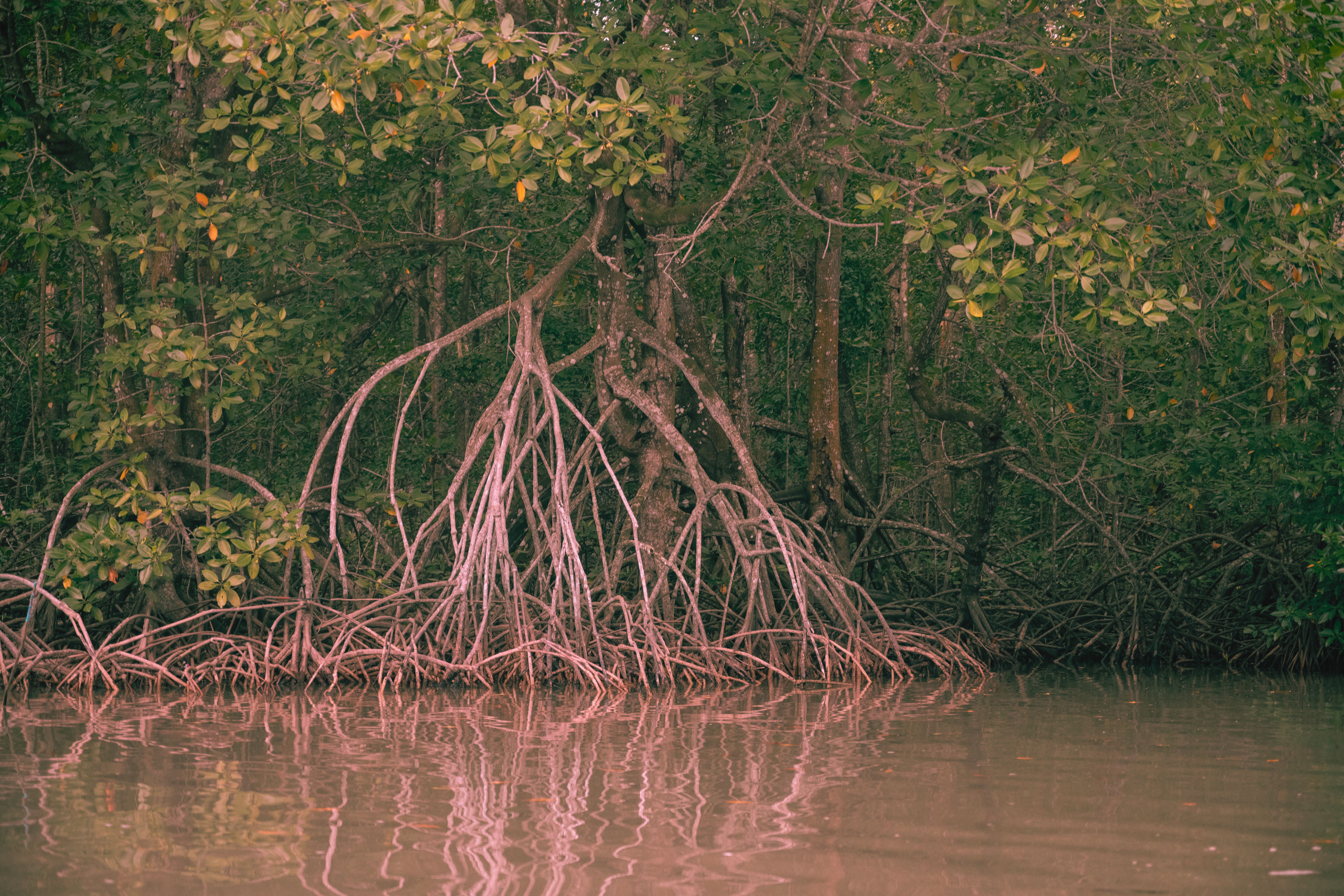
Examples include regenerative agriculture, sustainable forestry, wetland and watershed restoration, or urban green infrastructure. Mangrove forests and saltmarshes along coastlines offer flood protection against storms. Urban green infrastructure can cool cities during heatwaves, with one study of 93 European cities estimating that more tree cover could prevent a third of deaths linked to urban heat. Regenerative agriculture can reduce soil erosion and help restore degraded landscapes. That’s real economic value.
Even so, few of these projects attract private investment at scale, and part of the reason is the business model. A European Investment Bank study of more than 1,300 nature-based projects in the EU found that small deal sizes, long waits for returns, and unfamiliar risk profiles all deter private investors.
Closing the nature finance gap needs commercial expertise
Nature-positive projects cannot happen without professionals driving them forward. That requires people with the vision to turn ecosystem services into profit-generating businesses. This does not mean professionals must give up their existing skill set and move into “sustainability” roles.
A finance professional moving into nature investment does not stop being a finance professional. A supply-chain manager working on deforestation-free commodities is still using supply-chain expertise. A commercial director scaling a restoration business still needs the same ability to win customers and grow revenue.
The difference is that they’re now using their knowledge and skill set to help restore and protect the natural world rather than damage it.
The career opportunity in nature-positive finance
For someone in the middle of their career, moving into nature-positive finance might sound like starting again. In reality, the opposite is often true.
People working in investment, banking, construction, real estate, utilities, or food already understand how businesses operate and how major commercial decisions get made. Those skills are what nature-positive businesses need.
The scale of the funding gap is also the scale of the opportunity. Closing it will take people who can build the projects, funds, and businesses that don’t yet exist at the size required. The work is demanding. Turning restoration and protection into businesses that investors will back is a hard commercial problem, and that challenge is a large part of what makes the work so satisfying.
Many nature-positive businesses and funds are still young, which carries more risk. It also gives experienced people more room to shape how the sector develops. For people already working in finance and industry, the skills are often in place. Nature-positive finance offers a meaningful place to use them.
FAQs
Got A Question?
Everything you need to know about impact careers, sustainable job opportunities and our talent network in one easy place.
Our House Views content library and Awareness to Action series share insights on sectors, roles and career moves. Many candidates use these resources to narrow their focus before speaking with us.
Because the numbers are clear. Green and transition sectors are growing faster than the rest of the economy, attracting capital, talent and innovation. Positioning yourself there is a commercial decision, not just a values one.
Awareness to Action is our interview and insight series. We speak with leaders across the impact economy and turn real conversations into practical guidance for careers, teams and capital.
Yes, we regularly feature impact investors, founders and sustainability leaders in interviews and House Views content. If you have something valuable to share with the impact economy, we would love to hear from you.