Carbon-Negative Cement and Industrial Decarbonisation

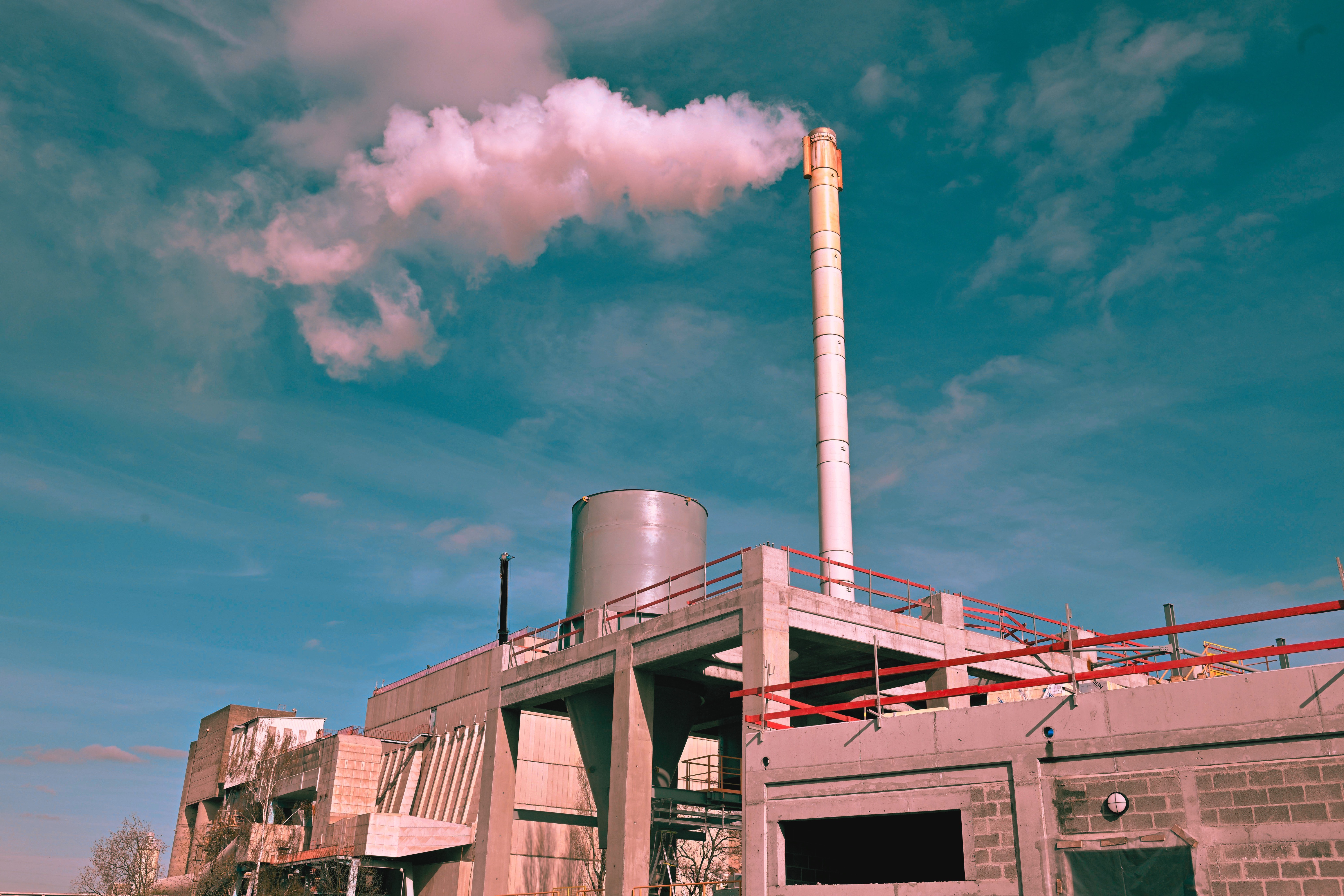
Every year, the world produces around four billion tonnes of cement. Cement is critical for the construction of new buildings, roads, and infrastructure. However, the process is inherently carbon-intensive, responsible for approximately 5% to 8% of global carbon dioxide emissions.
We cannot eliminate the demand for cement, so to address its huge carbon emissions we will have to come up with another approach. Recent research by ETH Zurich and Heirloom Carbon Technologies presents a potential solution. By combining cement production with technology capable of removing CO2 directly from the atmosphere, they believe cement-related CO2 emissions could drop by 78% by 2050. Even better, any additional direct air capture could potentially make the integrated process net negative.
For other carbon-intensive industries, it raises the question: if we can redesign our approach to producing one of the hardest industrial commodities, where else could engineering and commercial talent create value?
Why Cement Is So Difficult to Decarbonise
Cement emissions come from two main sources:
- Kilns require extremely high temperatures, traditionally produced using fossil fuels.
- Heating limestone releases carbon dioxide through the chemical process of calcination.
Calcination alone produces approximately two-thirds of cement manufacturing emissions. Therefore, even if clean electricity heated the kilns, to decarbonise cement production the emissions produced during calcination need to be addressed separately.
Similar issues with decarbonisation plague other commodities. Steel, chemicals, and cement collectively underpin much of the modern economy, but depend heavily on high temperatures, carbon-intensive reactions, and expensive industrial infrastructure. Decarbonising these industries is about rebuilding processes from the ground up.
Could Cement Production Become Carbon Negative?
Until now, cement production has been thought of as being inherently carbon-intensive. However, research by ETH Zurich and Heirloom Carbon Technologies shows that limestone’s natural chemistry could give cement production a chance to become carbon negative.
Here’s how it works:
- An electric kiln heats limestone, producing quicklime and carbon dioxide.
- The concentrated carbon dioxide released during calcination is captured for permanent underground storage.
- Water is added to the quicklime.
- The resulting material absorbs more carbon dioxide from the atmosphere and becomes limestone again.
- The limestone can return to the cement process.
The key to the approach comes from integration. Not only does Heirloom’s direct air capture system use the same calcium compounds and similar chemical processes, but it can also be integrated into existing plants and supply chains.
That being said, the research only models future systems rather than proving commercial viability. Cement kilns that run entirely on electricity are not yet in wide use, so a key part of this system does not exist at commercial scale.
One part of this system, capturing the concentrated carbon dioxide released during calcination, is conventional carbon capture and storage. What is different here is pairing that step with Heirloom’s direct air capture process, which reuses the same limestone cycle to pull additional carbon dioxide from the atmosphere. A plant would not need to build two separate systems: it runs the cycle once for cement, then again for carbon removal.
Heirloom’s direct air capture technology already operates commercially, including its first plant in Tracy, California. Combining it directly with a cement kiln has not been built anywhere yet. This research models what that integration could achieve, rather than demonstrating it at a working plant.
Low-Carbon Cement Needs a Market
The real problem is cost. Removing CO2 from the atmosphere might save the economy money in the long run, but the low-carbon cement product is more expensive than its conventional counterpart.
New plants require substantial upfront investment in carbon transport and storage infrastructure, on top of the cost of switching kilns to clean electricity.
The public sector could help close that cost gap. Several governments already favour lower-carbon cement and concrete in public contracts: California’s Buy Clean Act and low-carbon procurement laws in New Jersey and New York are examples. The European Union has priced the carbon emitted by cement producers within the EU for years through its Emissions Trading System, and from 2026 extended a similar carbon cost to cement imports under the Carbon Border Adjustment Mechanism.
Industrial Decarbonisation Needs Industrial Expertise
Much of the expertise needed to scale the decarbonisation of commodities already exists in adjacent industries, even if it needs to be applied in new ways. Process engineers understand how plants operate. Procurement professionals know how to secure reliable supplies at scale. Commodity traders understand pricing and demand, while project financiers know what makes a billion-pound infrastructure investment viable.
For mid-career professionals, moving into industrial decarbonisation does not necessarily mean starting again. Someone who has spent years working in cement, steel, chemicals, construction, logistics, or industrial finance may possess precisely the experience a growing solution provider needs.
First-of-a-kind commercial plants are expensive, policy support can change, and some promising technologies will fail outside the laboratory. Yet the scale of the challenge also means these industries cannot rely on small sustainability teams operating around the edges. They need experienced individuals capable of changing how essential commodities are financed, produced, purchased, and sold.
FAQs
Got A Question?
Everything you need to know about impact careers, sustainable job opportunities and our talent network in one easy place.
Our House Views content library and Awareness to Action series share insights on sectors, roles and career moves. Many candidates use these resources to narrow their focus before speaking with us.
Because the numbers are clear. Green and transition sectors are growing faster than the rest of the economy, attracting capital, talent and innovation. Positioning yourself there is a commercial decision, not just a values one.
Awareness to Action is our interview and insight series. We speak with leaders across the impact economy and turn real conversations into practical guidance for careers, teams and capital.
Yes, we regularly feature impact investors, founders and sustainability leaders in interviews and House Views content. If you have something valuable to share with the impact economy, we would love to hear from you.