Solar and Wind Surge as Oil Shocks Test Energy Security

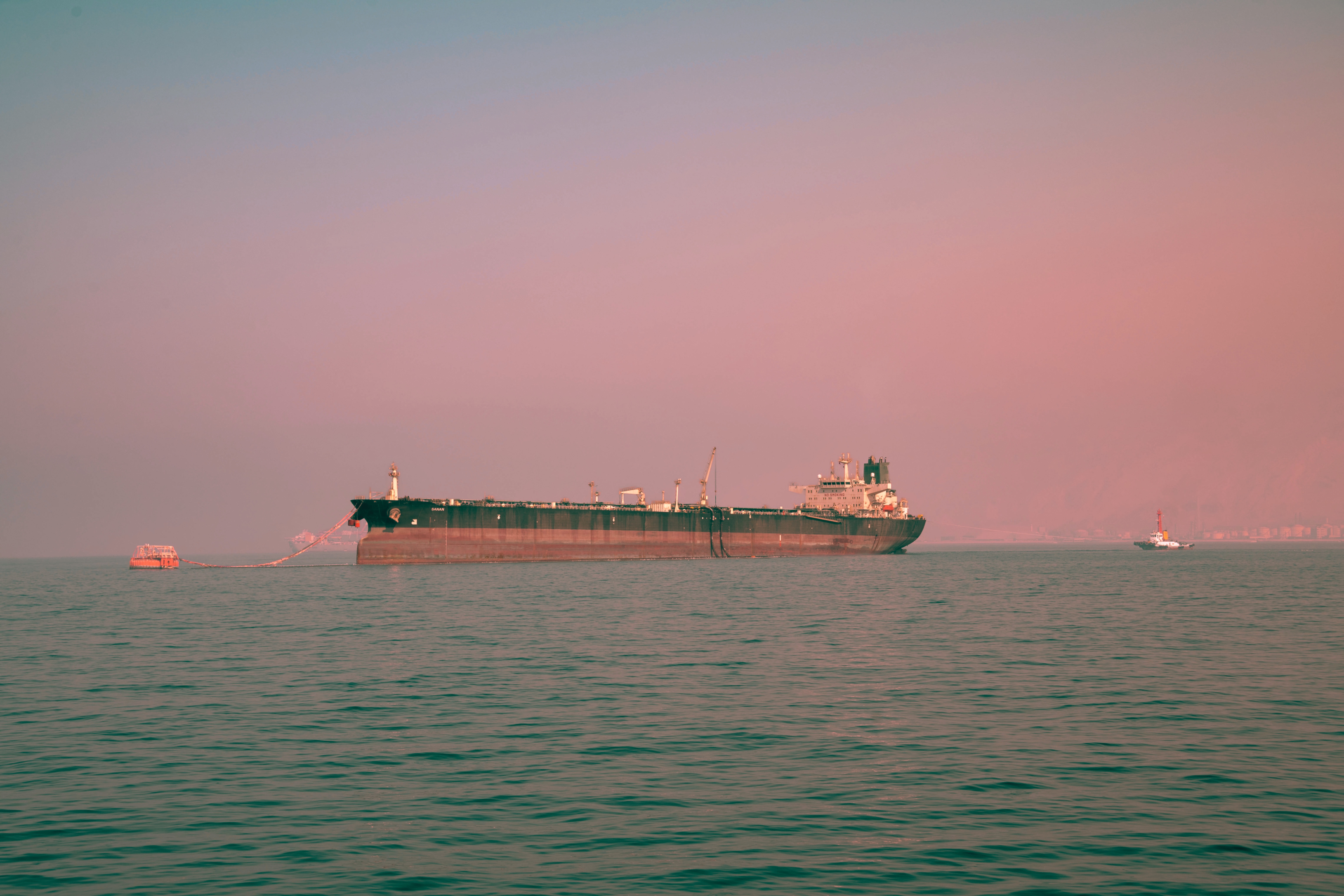
Fossil fuels have long been treated as the dependable way to power an economy, while solar and wind were dismissed as expensive and too reliant on the weather. That reliability has always depended on oil moving freely through a small number of narrow sea routes, and in 2026 those routes are under sustained pressure.
Traffic through the Strait of Hormuz has been reduced to a trickle since the US-Israeli war with Iran began in February 2026. Now, as the conflict widens, the Iran-backed Houthis in Yemen are applying the same pressure to their own backyard, threatening traffic through the Bab el-Mandeb Strait and, by extension, access to the Suez Canal.
Shipping Chokepoints Expose the Cost of Oil Dependency
Nearly 20 million barrels of oil passed through the Strait of Hormuz each day in 2025, equal to around a quarter of global seaborne oil trade, according to the International Energy Agency (IEA). In 2022, Russia's invasion of Ukraine exposed Europe's reliance on Russian gas and oil. The US-Israeli war with Iran, and the Houthi escalation that has followed, create a second supply risk for importing economies, this time concentrated in the Middle East's shipping lanes.
There are alternative routes through the Middle East, but they only offer a partial route around Hormuz. Additionally, the IEA estimates that the alternative pipelines in Saudi Arabia and the United Arab Emirates have a capacity of between 3.5 and 5.5 million barrels per day, which falls very short of normal crude oil flows through Hormuz. The Emirati route reaches Fujairah, outside Hormuz. The Saudi route ends at Yanbu, a port on Saudi Arabia's western coast along the Red Sea, which means its exports still have to pass through either the Suez Canal or the Bab el-Mandeb Strait.
The Bab el-Mandeb is where the Houthis have focused their recent operations. After the group declared an embargo in July, Saudi crude exports through the strait fell to near zero, according to The National. In September, the Houthis took control of Yemen's entire Red Sea coast, including the shoreline along the strait. Tankers leaving Yanbu for Asia now travel north through the Suez Canal and around South Africa, turning a 24-day voyage to South Korea into a 54-day one.
The Suez Canal is a chokepoint in its own right. In 2021, the Ever Given, one of the world's largest container ships, ran aground in the canal and blocked it for six days. The incident held up an estimated $9.6 billion of trade every day, while Egypt lost between $12 million and $14 million in daily canal revenue. One stranded ship was enough to disrupt supply chains across the world.
Solar and Wind Have Moved From Alternative to Mainstream
For organisations, the immediate challenge is keeping operations running as fuel prices rise. By mid-September, oil was approaching $100 a barrel. Solar and wind reduce that exposure because they run on domestic resources. Sunlight and wind aren't traded on international markets, so once panels and turbines are installed, the power they produce doesn't depend on safe shipping routes or fuel prices.
Global renewable power capacity increased by 692 gigawatts in 2025, a 15.5% annual rise. Solar supplied 511 gigawatts of the increase, while wind added almost 159 gigawatts. Together, the two technologies represented 96.8% of net renewable additions.
The costs of wind and solar have decreased massively, making them a far more attractive and reliable source of energy. Solar costs have fallen by 87% since 2010, onshore wind by 55%, and battery storage by 93%. More than 85% of new renewable power is now cheaper than fossil-fuel alternatives, according to the International Renewable Energy Agency. Due to worsening geopolitical conflict in oil transporting regions, oil dependency is now a financial risk, and falling wind and solar costs make the alternative easier to justify. Solar and wind replace oil mainly where transport and industry switch to electric power. Electric vehicles alone avoided around 1.7 million barrels of oil a day in 2025, according to the IEA. Ironically, a war centred on one of the world's most important oil-producing regions may accelerate the energy transition away from fossil fuels to renewables.
The choice is stark. Organisations can continue to bet on conflict resolution and safe shipping lanes, or make the switch to solar and wind now.
The Hard Part Is Connecting and Using the Power
The problem is not as simple as installing more turbines and solar panels. Oil is embedded in every facet of the modern economy. It's critical to the production of chemicals, fertilisers, and other industrial products. Shipping companies and entire transport networks cannot shift away from oil in a matter of years.
The real challenge is dealing with the bottlenecks the IEA has identified:
- congested grids and slow connection processes
- insufficient transmission infrastructure
- limited storage and demand flexibility
- lengthy planning and permitting
- concentrated equipment and mineral supply chains
Generating clean electricity is increasingly achievable. Moving the electricity to where it's needed, storing it, and replacing fossil-fuel equipment are the next challenges that need to be solved.
Grid, Storage, and Electrification Are the Commercial Opportunities
The next wave of renewable investment will need to clear the backlog of projects waiting to connect to the grid, store surplus power, balance energy supply, and convert transport and industry to electricity. Substations, transformers, high-voltage cables, batteries, charging networks, and forecasting software are the infrastructure that will determine whether cheap renewable power can actually replace oil.
Much of the expertise this work needs already exists in traditional energy and industry. People who have delivered oil and gas projects, run utility networks or managed heavy industrial sites understand large infrastructure, safety and regulation, and much of that experience carries across. The most valuable professionals may be interdisciplinary thinkers who pair that technical grounding with commercial and regulatory knowledge. They're the people who can remove one stubborn bottleneck, such as a stalled grid connection or a factory's switch to electric equipment, and turn abundant renewable electricity into power that organisations can use reliably.
FAQs
Got A Question?
Everything you need to know about impact careers, sustainable job opportunities and our talent network in one easy place.
Our House Views content library and Awareness to Action series share insights on sectors, roles and career moves. Many candidates use these resources to narrow their focus before speaking with us.
Because the numbers are clear. Green and transition sectors are growing faster than the rest of the economy, attracting capital, talent and innovation. Positioning yourself there is a commercial decision, not just a values one.
Awareness to Action is our interview and insight series. We speak with leaders across the impact economy and turn real conversations into practical guidance for careers, teams and capital.
Yes, we regularly feature impact investors, founders and sustainability leaders in interviews and House Views content. If you have something valuable to share with the impact economy, we would love to hear from you.