Coral Reefs Are Dying Faster Than They Can Recover

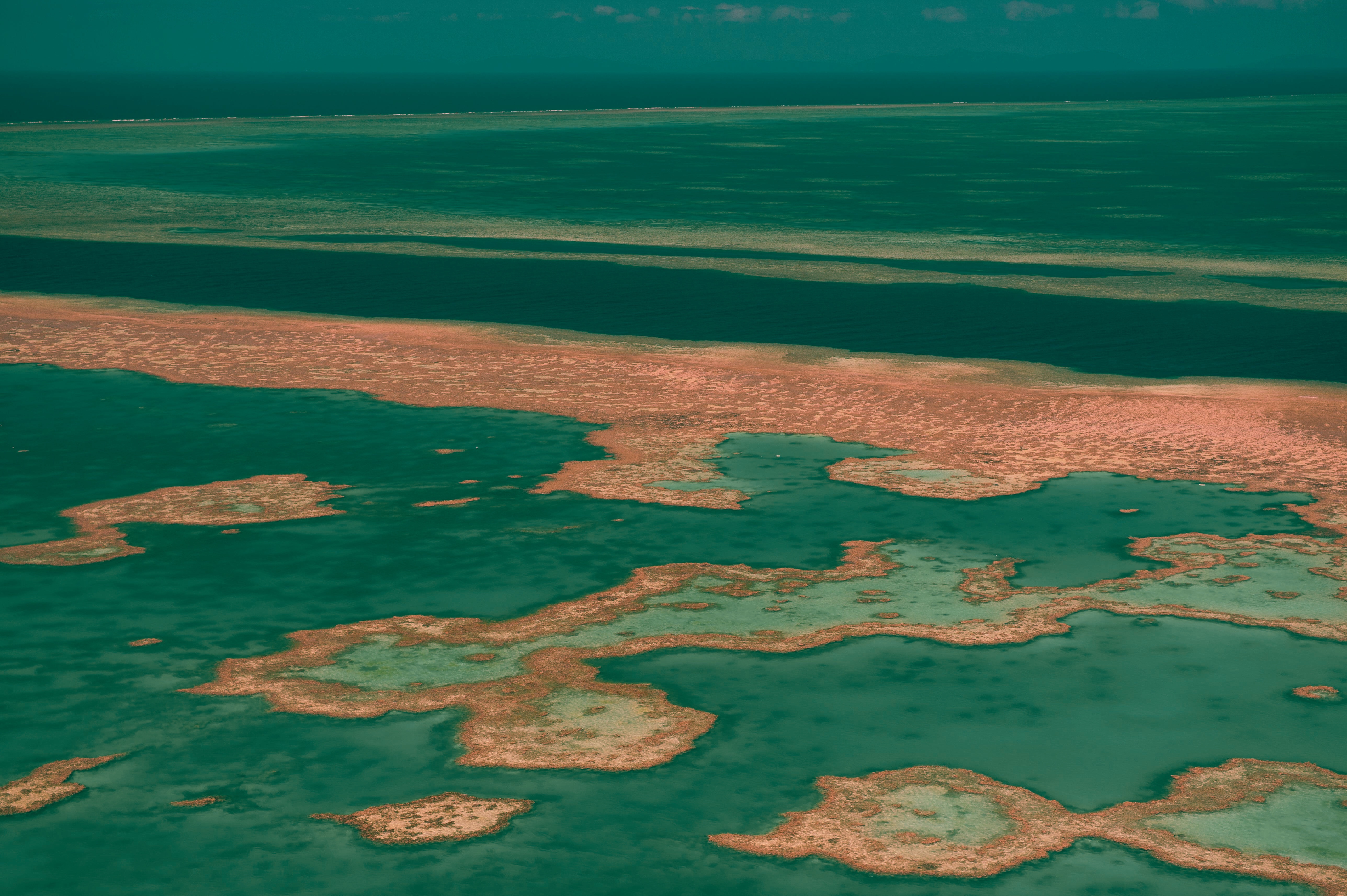
For a few years, coral reefs had a good-news story. The Great Barrier Reef recovered substantially following major losses in the 2010s. By 2022, the northern and central regions of the reef had reached their highest coral cover since monitoring began. Then, in 2024, a mass bleaching event hit. By 2025, coral cover had fallen sharply, including record annual declines in the northern and southern regions.
It’s a similar story worldwide. The new 2025 Status of Coral Reefs of the World report is the most comprehensive assessment yet, covering 21.1 million observations, more than 87,000 surveys, and almost 37,000 reef sites across 120 countries and territories.
The headline finding is stark: average hard coral cover fell by 9.5% when 2020–2024 is compared with the 1980–2009 reference period. In 2024 alone, coral cover fell 8.9%, the largest single-year decline recorded.
Coral bleaching is outpacing reef recovery
Climate-driven marine heatwaves are stifling coral recoveries. Four major global bleaching events have occurred since 1998 and they are becoming more common. Each bleaching event caused a 6.5% to 9.9% relative loss in hard coral cover.
Coral reefs can recover from a single event. Even multiple events. However, when bleaching events become more severe and closer together, the ability to recover becomes impaired. Even the fastest-growing corals need around 10 to 15 years to recover from severe bleaching, while the typical gap between severe events has shrunk to about six years.
Coral reefs hold a remarkable share of ocean life
Coral reefs cover less than 1% of the ocean floor, yet NOAA estimates they support around a quarter of all known marine species. A 2015 study in Current Biology put the number of multicellular species living on reefs at roughly 830,000, many of them still undiscovered.
That richness depends on the reef’s physical structure. Over centuries, corals lay down calcium carbonate skeletons that form a maze of branches, ledges and crevices. Fish, crustaceans, molluscs and countless smaller organisms use these spaces to shelter, feed and breed.
When corals die, the structure starts to erode. Without living coral adding new growth, waves and burrowing organisms gradually wear the reef down. Research on Caribbean reefs found that as reefs flatten, the number of species they support drops sharply, and very few species gain. Repeated bleaching therefore threatens far more than the corals themselves. Each event that kills coral before it can regrow wears away habitat that thousands of other species depend on.
The economic value of coral reefs
Coral reefs are incredibly valuable to the global economy and to society. The Status of Coral Reefs of the World report estimates that reefs:
- provide around $9.9 trillion in ecosystem services each year
- support $36 billion in annual tourism and recreation
- can reduce incoming wave energy by 97%
- protect 5.3 million people and $109 billion of gross domestic product from storms each year
- support the livelihoods, food security, or cultural identity of up to one billion people
When a reef deteriorates, the knock-on effects ripple through the entire economy. Coastal communities are the first to suffer, but they’re not the last.
Global warming and local pressures both shape coral reef resilience
Local conservation cannot stop marine heatwaves. Only by cutting greenhouse gas emissions and limiting further climate change can reefs have a realistic chance of surviving.
However, the report notes that local pressures also determine the viability of individual reefs. These include overfishing, pollution, sedimentation, and coastal development.
Each of these pressures weakens a reef in a different way. Overfishing removes grazing fish such as parrotfish, which keep seaweed under control. Nutrient pollution feeds that seaweed further. Sediment from coastal development and farm runoff clouds the water and smothers coral. Seaweed and sediment also cover the bare rock where young corals need to settle. After a bleaching event, a reef under these pressures gains fewer new corals, so it takes longer to recover.
We cannot protect reefs we are not properly measuring
The Global Coral Reef Monitoring Network has called for wider coverage of reefs in understudied regions, where data remains thin. A granular understanding of each reef can tell governments and marine park authorities where decline is occurring, what is causing it, and where limited resources should be spent. Monitoring goes beyond simply measuring hard coral cover. A reef can appear stable while fish biomass, biodiversity, and ecosystem function deteriorate. An integrated approach to coral reefs monitors a range of indicators and factors in the economy, local communities, and the wider ecosystem.
What a shrinking recovery window means for careers
Protecting coral reefs requires far more than marine biologists. Reef protection depends on people who can turn monitoring data into decisions, spot heat stress and local damage early, and make the financial case for protecting a reef before it declines.
Cutting emissions will decide how often bleaching strikes. What happens between events decides whether a reef recovers. Reefs with plenty of grazing fish, clean water and close monitoring stand a better chance of using those years well. As the gap between bleaching events narrows, the skills that help reefs make the most of it are where the opportunity sits.
FAQs
Got A Question?
Everything you need to know about impact careers, sustainable job opportunities and our talent network in one easy place.
Our House Views content library and Awareness to Action series share insights on sectors, roles and career moves. Many candidates use these resources to narrow their focus before speaking with us.
Because the numbers are clear. Green and transition sectors are growing faster than the rest of the economy, attracting capital, talent and innovation. Positioning yourself there is a commercial decision, not just a values one.
Awareness to Action is our interview and insight series. We speak with leaders across the impact economy and turn real conversations into practical guidance for careers, teams and capital.
Yes, we regularly feature impact investors, founders and sustainability leaders in interviews and House Views content. If you have something valuable to share with the impact economy, we would love to hear from you.