Evenlode: A Whole-Catchment Model for Flood Resilience

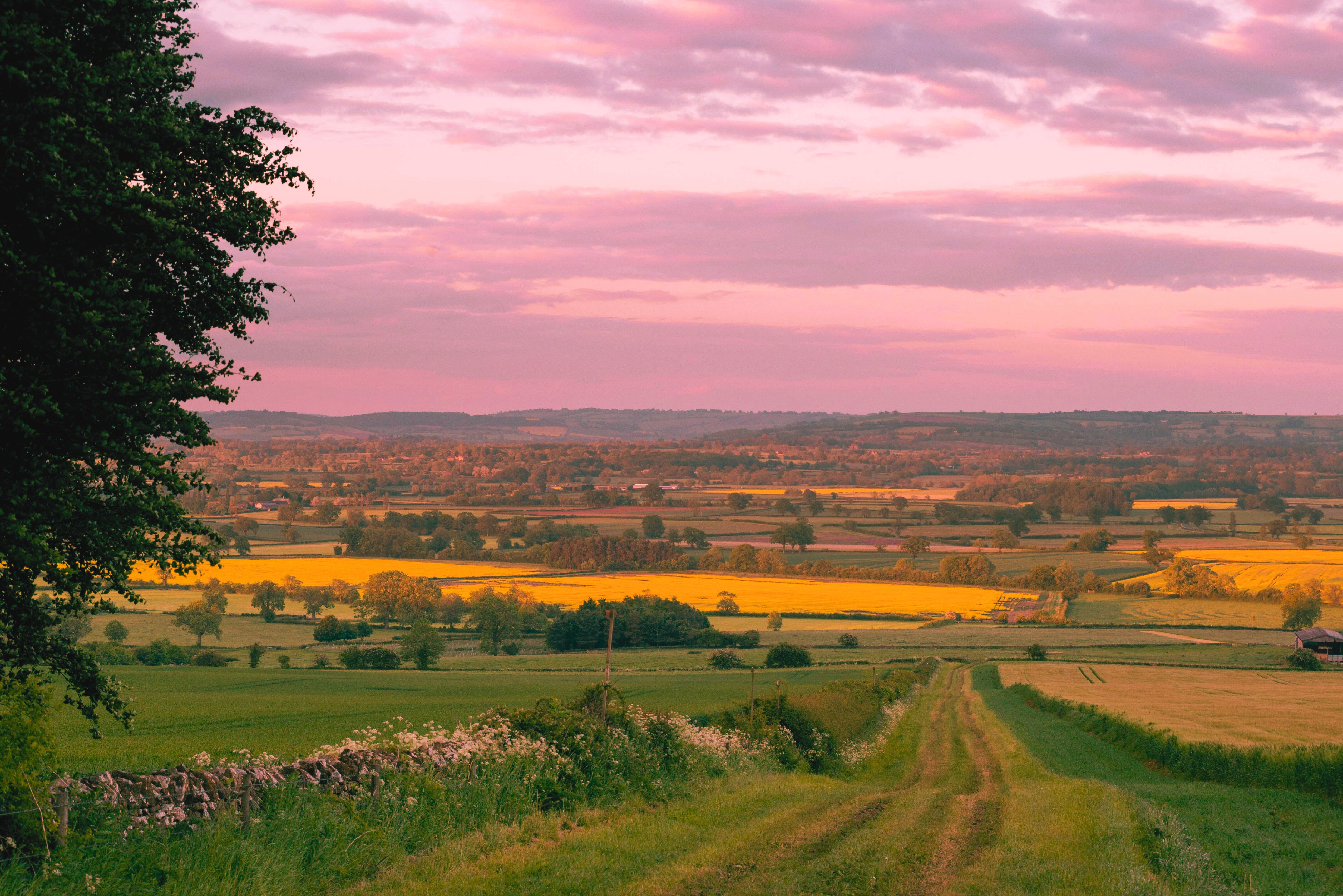
The River Evenlode runs through the picturesque agricultural landscapes of the Cotswolds. From rich fields to leafy forests, a passing visitor might not look twice beyond admiring its beauty. Yet the river system itself is struggling.
The catchment experiences winter flooding, summer water shortages, and overall poor water quality. It’s a story common to many of the UK’s rivers.
Water Magazine describes the underlying problem as compacted soils, drained floodplains, and a landscape that has gradually lost its ability to hold and release water naturally. It’s the accumulated result of a century of draining and intensively farming the land.
Flood resilience starts upstream
In the 20th century, the clearance of hedgerows, larger agricultural fields, and the removal of forests meant water no longer rested in the landscape. Instead, it moved rapidly through brooks, streams, and channels, funnelling into rivers that were never designed to carry so much water at once.
When heavy rains occur, rivers are more likely to burst their banks. Fast-moving water pulls sediment and pollutants downstream, contaminating rivers and reducing their capacity through sedimentation.
The Evenlode is a victim of all these problems.
Now a project is being undertaken to change how water moves through the entire landscape before it reaches vulnerable infrastructure. The proposed changes include reconnecting rivers with floodplains, creating wetlands, restoring riparian buffer strips, and bringing back the natural processes that once slowed water as it moved through the landscape.
Infrastructure owners are investing in nature-based solutions
The project currently involves more than fifty farmers and land managers across roughly 3,000 hectares. Participants are committed to restoring parts of the catchment and they are not bearing the cost alone.
Network Rail, Scottish and Southern Electricity Networks, and Oxfordshire County Council are among the organisations investing in upstream measures intended to reduce flood risk to railway lines, substations, roads, and bridges.
The financial case for this approach is clear. Rather than only paying later to repair flood damage, organisations can invest earlier in reducing the risk.
A whole-catchment approach to flood risk
The physical interventions in the Evenlode project are well established. Many reflect how rivers and floodplains functioned for centuries before changes in the 20th century. What is truly novel is how the system is organised.
The project introduces three elements:
Catchment-scale planning: Instead of treating each flood risk separately, the project coordinates action across thousands of hectares so the whole river system stores and slows water more effectively.
Farmer-led delivery: Land managers help design and implement the interventions, drawing on their detailed knowledge of how water moves across their land.
Blended finance: Public funding is combined with private investment from organisations that benefit from reduced flood risk, better water quality, and stronger infrastructure resilience.
Projects normally divide these benefits between separate budgets or treat each part of a system as belonging to whoever is directly responsible. This project sees the system as the interconnected landscape it truly is.
Why climate resilience depends on systems thinking
A project like Evenlode doesn’t rely on people with “sustainability” in their job title. It depends on a deep understanding of how land and water behave, combined with the ability to structure funding, agree legal obligations and keep dozens of landowners and organisations working towards the same outcome.
Evenlode is a case study that could be applied to river catchments across the UK. The biggest impediment to change is often not a lack of specialist environmental knowledge. Preventative work like this depends on systems thinking: treating the catchment as one connected whole and bringing together everyone who has a stake in its outcomes.
FAQs
Got A Question?
Everything you need to know about impact careers, sustainable job opportunities and our talent network in one easy place.
Our House Views content library and Awareness to Action series share insights on sectors, roles and career moves. Many candidates use these resources to narrow their focus before speaking with us.
Because the numbers are clear. Green and transition sectors are growing faster than the rest of the economy, attracting capital, talent and innovation. Positioning yourself there is a commercial decision, not just a values one.
Awareness to Action is our interview and insight series. We speak with leaders across the impact economy and turn real conversations into practical guidance for careers, teams and capital.
Yes, we regularly feature impact investors, founders and sustainability leaders in interviews and House Views content. If you have something valuable to share with the impact economy, we would love to hear from you.