Europe's Fossil Fuel Dependence Is Now a Business Risk
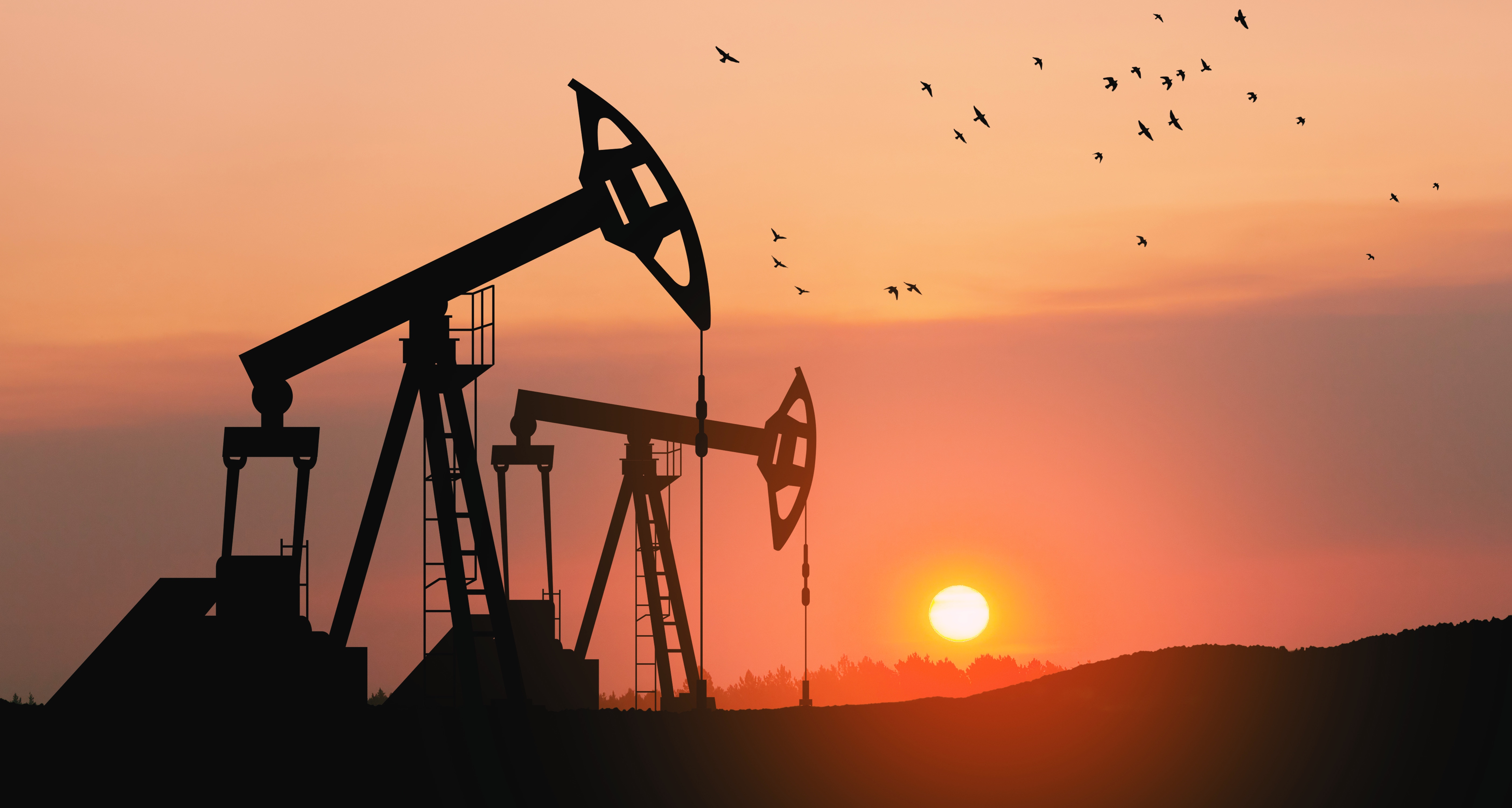
Europe remains heavily dependent on imported fossil fuels. In recent years, the weaknesses of that reliance have become increasingly clear. First, the Russia-Ukraine War led to spiking energy prices as Russian natural gas and oil went offline. After switching to LNG from the Middle East, Europe now faces further problems with the closure of the Strait of Hormuz.
Energy is the foundation of every economy. Without access to cheap energy inputs, the price of almost every other commodity will rise. As the European Central Bank (ECB) Executive Board Member Frank Elderson has warned, dependence on external imports is becoming the central issue of economic stability.
Europe's energy dependence is importing volatility
Europe has long relied on external markets for its energy needs. Aside from North Sea oil and gas and French nuclear power, much of the continent's energy supply comes from abroad. For years, that looked like a rational economic decision built on assumptions of global stability. Germany’s move away from nuclear power, for example, depended heavily on continued access to Russian gas imports. However, mounting geopolitical instability has made the predictability of global imports a thing of the past.
Beginning with the Russian invasion of Ukraine and exacerbated by recent tensions involving Iran and global LNG markets, a clear lesson is being taught. Europe doesn’t just import energy. It also imports the geopolitical instability attached to global energy markets.
The energy transition has become a price stability problem
In March 2026, the ECB staff published macroeconomic projections on how the situation in Iran could lead to inflation and decrease growth. Short-term shocks can be mitigated through monetary policy. But repeated shocks and persistent price pressures cannot be contained forever.
Central banks face a difficult decision:
- raise rates and risk slowing growth
- lower rates and risk embedding inflation
Fossil fuels no longer offer the stability they once provided. Governments and companies might benefit from cheap energy during times of stability, but that's a bet no longer worth making.
The energy transition debate is a resilience debate
Europe cannot eliminate geopolitical risk, but like their counterparts in East Asia, minimising exposure to global energy markets and supply chain risks is the obvious solution. That means clean, green energy.
The ECB, in particular, has pushed for increased investment in renewables to help combat geopolitical vulnerabilities, lower exposure to imported fuel, and lead to more predictable domestic energy costs. For example, Spain's investment in wind and solar means that prices in early 2024 were 40% lower than they would have been if the 2019 status quo had been maintained.
Such a transition comes with a big price tag: up to €660 billion per year between 2026 and 2030. However, considering that Europe already spends €400 billion per year on fossil fuel imports, the cost-risk analysis is shifting the transition debate overall.
It's raising difficult questions for businesses
For individual companies, energy shocks impact almost every aspect of business, from supply chains and logistics to procurement and operational costs. Organisations simply cannot function under such uncertainty when margins can be squeezed at any moment. The opposite is true for companies that can reduce their exposure. Access to cleaner, more predictable energy is increasingly becoming a competitive advantage.
That changes the conversation around energy transition. It's no longer just about sustainability targets or environmental commitments. For many organisations, it's becoming a question of long-term resilience, competitiveness, and whether they can operate predictably with an increasingly unstable energy market.
Reducing energy exposure starts with hiring the right talent
The question is whether companies have the leadership needed to take the plunge. Unless organisations have leaders who understand supply-chain exposure, long-term resilience, and sustainability strategy, they will continue facing shocks from an increasingly volatile geopolitical energy system. The SINN Power floating solar project in Bavaria is one example of what this looks like in practice: an industrial site that reduced its grid electricity consumption by nearly 60% by integrating renewable energy directly into its operations.
It goes deeper than leadership alone. Across entire organisations, specialists, advisors, procurement teams, and executives all play a role in reducing operational exposure to energy instability. Businesses that fail to adapt may find themselves repeatedly reacting to the same disruptions, while competitors with stronger long-term planning move ahead with greater stability and resilience.
FAQs
Got A Question?
Everything you need to know about impact careers, sustainable job opportunities and our talent network in one easy place.
Our House Views content library and Awareness to Action series share insights on sectors, roles and career moves. Many candidates use these resources to narrow their focus before speaking with us.
Because the numbers are clear. Green and transition sectors are growing faster than the rest of the economy, attracting capital, talent and innovation. Positioning yourself there is a commercial decision, not just a values one.
Awareness to Action is our interview and insight series. We speak with leaders across the impact economy and turn real conversations into practical guidance for careers, teams and capital.
Yes, we regularly feature impact investors, founders and sustainability leaders in interviews and House Views content. If you have something valuable to share with the impact economy, we would love to hear from you.