The Extreme Weather of 2026 is Just The Beginning

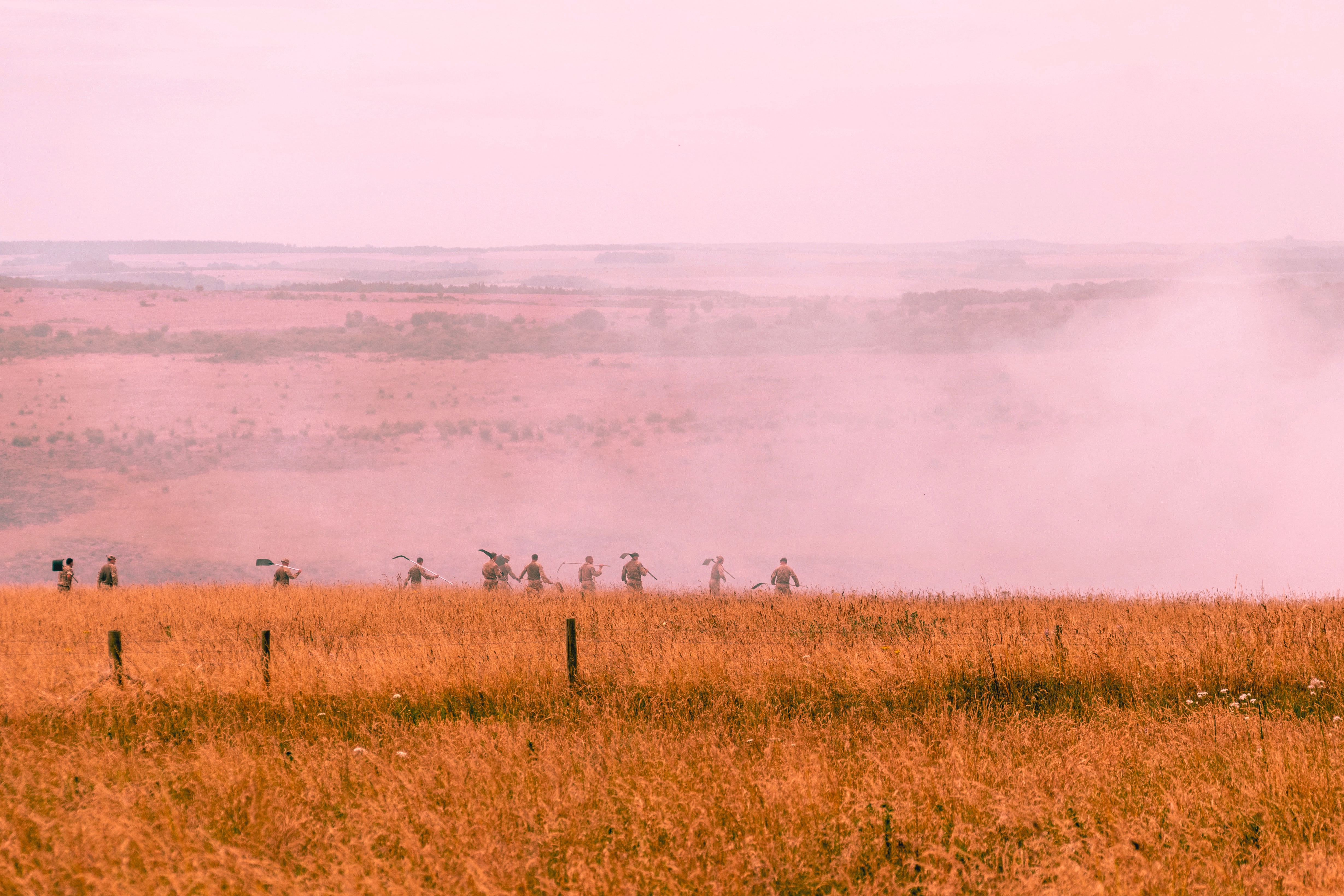
By late July, Britain had experienced five widespread heatwaves in a single summer, on track to become the UK's hottest on record. It has felt relentless. The end of the UK's summer, it turns out, was not the end of the story.
UK Heatwave 2026 Was the Summer That Wouldn't Let Up
Five widespread heatwaves is not a UK anomaly. July 2026 tied with July 2024 as the warmest month ever recorded globally, according to NOAA. Global average temperatures have already risen by around 1.5°C above pre-industrial levels, with 2023, 2024, and 2025 all sitting close to or above that mark, according to Copernicus. As that baseline keeps climbing, two things happen at once. Temperatures that used to count as rare and extreme become more common, and the truly extreme events, hotter than anything seen before, become more likely too. This is what a warming baseline actually looks like in practice: not a single dramatic spike, but a summer where the exceptional keeps happening.
The Sea Was Hotter Than Ever
UK waters reached “extreme” marine heatwave conditions in July, Category 4 on the Met Office's scale, a level it says is rarely recorded around Britain at all. It was the third and most intense marine heatwave the UK experienced that year, with sea temperatures running around 2°C above average and local anomalies of 4 to 5°C off the Welsh and English coasts.
The Mediterranean fared worse still. A buoy near Mallorca recorded 33.02°C in August, a new record for the Mediterranean Sea as a whole. Marine heatwave conditions affected 98% of the entire Mediterranean basin this year, and researchers tracking the Balearic Sea described 2026 as the fifth consecutive summer of exceptional marine temperatures there, calling it an unprecedented run of intense, long, and recurring heatwaves.
The effects of extreme ocean heat reach much further than the coastline. By the end of June, roughly 82% of the world's oceans were experiencing marine heatwave conditions of some intensity, the second-largest extent ever recorded. A warmer sea has less capacity to cool the coastal air above it overnight, and it feeds extra heat and moisture directly into the weather systems that form there. Meteorologists treat sea temperature as an early signal for what is about to happen on land, not a separate story from it.
Then the Fires Reached Britain
Wales spent nearly two weeks fighting a wildfire that tore through more than 2,000 acres of protected upland. It burned peat that had taken centuries to form. In places, that peat may now take centuries to recover, if it recovers at all.
London faced its own wildfires too. On 29 July, London Fire Brigade had its busiest single day of the year: 1,303 emergency calls, 526 incidents attended, 63 separate grass fires in 24 hours. A blaze in Woolwich needed 70 firefighters and ten engines to bring five hectares of burning grassland under control. In Havering, a fire forced 35 residents from their homes. Just under half of London's land area is green space. Most people picture wildfires happening somewhere hotter and further south. This summer, they were happening in the capital.
The Nepal Flood That Became the Country's Deadliest Disaster in a Decade
In late August, a catastrophic flash flood tore through the Langtang valley in Nepal, a region popular with trekkers and tourists, sweeping away entire villages, bridges, and infrastructure along a stretch of river more than 60 miles long. It was triggered by the collapse of the Langtang Lirung glacier, and satellite data shows the glacier had been visibly speeding up for weeks before it gave way.
The confirmed death toll in Nepal has risen to at least 1,259, with more than 5,000 people still missing. A further 21 people died and 541 remain missing across the border in Tibet. The United Nations has described it as Nepal's deadliest natural disaster since the 2015 earthquake, which killed around 9,000 people.
Cross-border early warning systems between China and Nepal do exist, and have prevented casualties in similar events before. Those systems are built to monitor known glacial lakes and rainfall-driven floods, and this disaster was neither. A hydrologist involved in flood warning research noted that the absence of rainfall beforehand defeats almost every operational flood warning system in the world, since most are built around exactly that trigger. More than 200 high-risk glacial lakes sit across the Himalaya, and this same valley already suffered a major glacier collapse in 2015 that killed over 350 people. As warming increases the frequency of these events, the tools built to protect people will need to keep pace with hazards they were never designed to catch.
El Niño Means the Danger Doesn't End With Our Summer
The UK's summer is ending. For large parts of the world, the danger is only just arriving. El Niño is a natural warming pattern in the Pacific Ocean that reshapes weather worldwide roughly every two to seven years, and this El Niño is forecast to be one of the strongest on record. The World Meteorological Organization says it will almost certainly persist through early 2027, with ocean temperatures in the key monitoring region expected to run hotter than any El Niño since records began in 1950.
A strong El Niño tends to bring drought and wildfire risk to some regions while bringing severe flooding to others, and the pattern already taking shape reflects that split. Southern California is bracing for severe flooding. Australia is bracing for drought and wildfire. India's monsoon is expected to turn erratic and drier than usual in parts of the country that rely on it for their main harvest. In East Africa, that pattern has already arrived. Droughts linked to El Niño have damaged this year's harvests badly enough that the UN's Food and Agriculture Organization and World Food Programme have launched a $202 million appeal, their first ever of this kind, to fund cash transfers, drought-resistant seeds, and livestock support for 8.8 million people across 22 countries. The agencies are moving before the worst impacts hit rather than after, because they estimate every dollar spent this way prevents up to seven dollars in losses later.
What the Climate Disasters of 2026 Actually Reveal
None of what happened this year was inevitable in its specifics, but the pattern behind it is no longer in question. A warming world produces more heatwaves, hotter seas, more wildfires, and more disasters like Nepal's glacier collapse, sudden and catastrophic, hitting infrastructure and communities built for a climate that no longer exists. This year will not be the last of its kind. As El Niño's effects spread through the rest of 2026 and into 2027, the same pattern is likely to keep repeating in new places before it reaches the UK again next summer, very possibly worse than before.
Communities and infrastructure need to get better at withstanding what is already locked in: stronger early warning systems, restoring and better managing natural landscapes, and more serious preparation for heat, flooding, and fire. None of that works on its own if the warming driving these events keeps accelerating. Preparing for the damage and slowing the cause both have to happen, not one instead of the other.
FAQs
Got A Question?
Everything you need to know about impact careers, sustainable job opportunities and our talent network in one easy place.
Our House Views content library and Awareness to Action series share insights on sectors, roles and career moves. Many candidates use these resources to narrow their focus before speaking with us.
Because the numbers are clear. Green and transition sectors are growing faster than the rest of the economy, attracting capital, talent and innovation. Positioning yourself there is a commercial decision, not just a values one.
Awareness to Action is our interview and insight series. We speak with leaders across the impact economy and turn real conversations into practical guidance for careers, teams and capital.
Yes, we regularly feature impact investors, founders and sustainability leaders in interviews and House Views content. If you have something valuable to share with the impact economy, we would love to hear from you.