Soil Depletion is a Growing Financial Risk

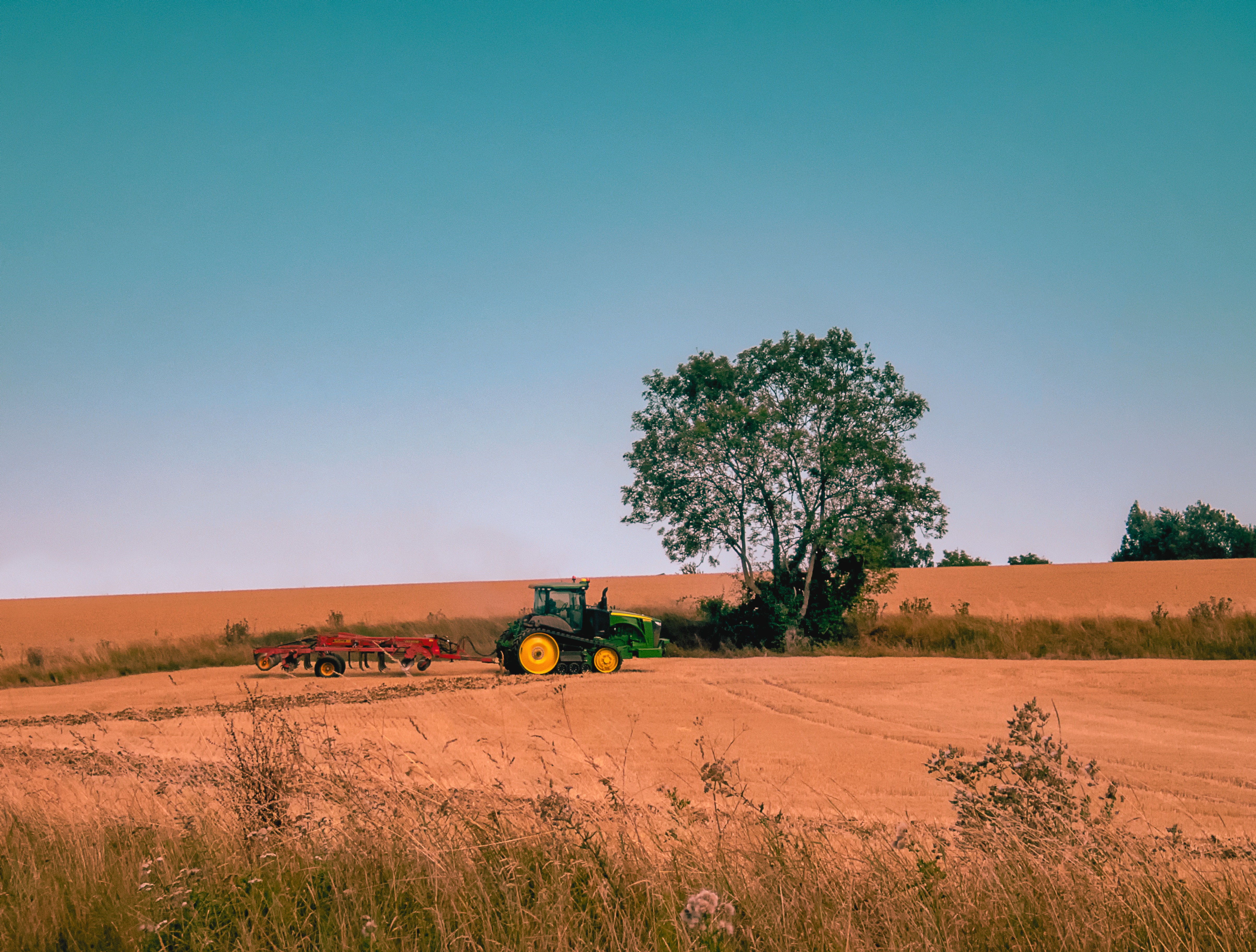
A 2026 study found that every 10% increase in land degradation was associated with a 2% increase in crop yield gaps. To put that in perspective, soil depletion is responsible for an estimated annual loss of 20 million tonnes of crops, 52 trillion food calories, and approximately $4 billion in agricultural revenue.
The financial exposure extends beyond farmers. The ripple effects reach farmland values and food prices, and now insurance markets too. US research found that counties with more erosion-prone soil carry higher crop insurance loss ratios, because degraded soil offers less buffer against drought and flooding. The reverse is also true. Reversing degradation by just 10% is estimated to provide enough additional food for more than 70 million people.
Soil Degradation Is Already Cutting Crop Yields
Soil is a highly complex system. Healthy soil retains water, cycles nutrients, supports microorganisms, and degrades dead plant matter. The healthier the soil, the fewer external inputs farmers need to apply to their fields.
Depleted soil requires more fertiliser, irrigation, and intervention to extract calories from the land. Considering fertiliser prices have soared in recent years, and the UK is experiencing consecutive dry summers, the current situation is untenable.
The UK isn't the hardest hit, however. The 2026 Nature study identified hotspots where crop losses can reach up to 6% for a 10% increase in land degradation. These include northern and southern India, northeastern China, the US Midwest, as well as parts of Central and South America, particularly northern Argentina.
How Soil Depletion Becomes Financial Risk
Ecological deterioration is a major financial risk factor. If soil depletion continues, lower farmer yields will become the norm. Farmers will struggle to generate an income, or afford the fertiliser, irrigation, and remediation necessary to keep a farm running.
The impact will trickle down to consumers. Food manufacturers and retailers will be forced to raise prices or contend with less reliable supplies.
The Taskforce on Nature-related Financial Disclosures analysed the inflationary effect. If soil losses were exacerbated by drought or other weather-related events, large fertiliser companies would be the primary beneficiaries, while small, packaged food companies would see a 45% loss in value.
"Price disruptions would also affect actors in the supply chain that are dependent on animal feed. Farmers would see their cost of capital increase as their debt burden increases in lean years."
Soil Monitoring Technology Is Creating a New Market
People are starting to work on the problem. Drones and machine learning are allowing farmers to inspect a single field in even greater detail. That means they can apply fertiliser only to the areas of the field where it is necessary, substantially cutting costs and making the most of good soil. Some systems use seismic waves to map soil density, depth, moisture, fertility, and potentially carbon content.
Yet it does not fix the underlying problem: regenerating the soil itself. To restore soil at scale, new agricultural paradigms would be needed. Agroforestry, a practice which involves planting trees amongst crops, is an example of technique which can substantially increase soil nutrient content and reduce soil erosion. One meta analysis found a reduction of soil erosion by 50%. However, increased yields are not immediate, and in the meantime, farmers can lose the productive use of a substantial portion of the field. Investment, loans, and financial support are necessary to support farmers during the interim.
Soil Restoration Needs Financial and Technical Expertise
There needs to be mechanisms in which farmers can be supported while agroforestry, cover crops, and other approaches to restoring soil quality take years to deliver financial returns. Specialist loans, long-term purchasing agreements, and insurance products could help farms remain viable during the transition.
For experienced professionals, the opportunity may not involve working directly on a farm. It may involve creating the financial products, monitoring systems, or commercial agreements that make healthier soil worth investing in. Organisations able to combine technical knowledge with commercial expertise will be best placed to turn soil restoration into a viable market.
FAQs
Got A Question?
Everything you need to know about impact careers, sustainable job opportunities and our talent network in one easy place.
Our House Views content library and Awareness to Action series share insights on sectors, roles and career moves. Many candidates use these resources to narrow their focus before speaking with us.
Because the numbers are clear. Green and transition sectors are growing faster than the rest of the economy, attracting capital, talent and innovation. Positioning yourself there is a commercial decision, not just a values one.
Awareness to Action is our interview and insight series. We speak with leaders across the impact economy and turn real conversations into practical guidance for careers, teams and capital.
Yes, we regularly feature impact investors, founders and sustainability leaders in interviews and House Views content. If you have something valuable to share with the impact economy, we would love to hear from you.