Transition to Climate Careers: Small Steps Not Giant Leaps
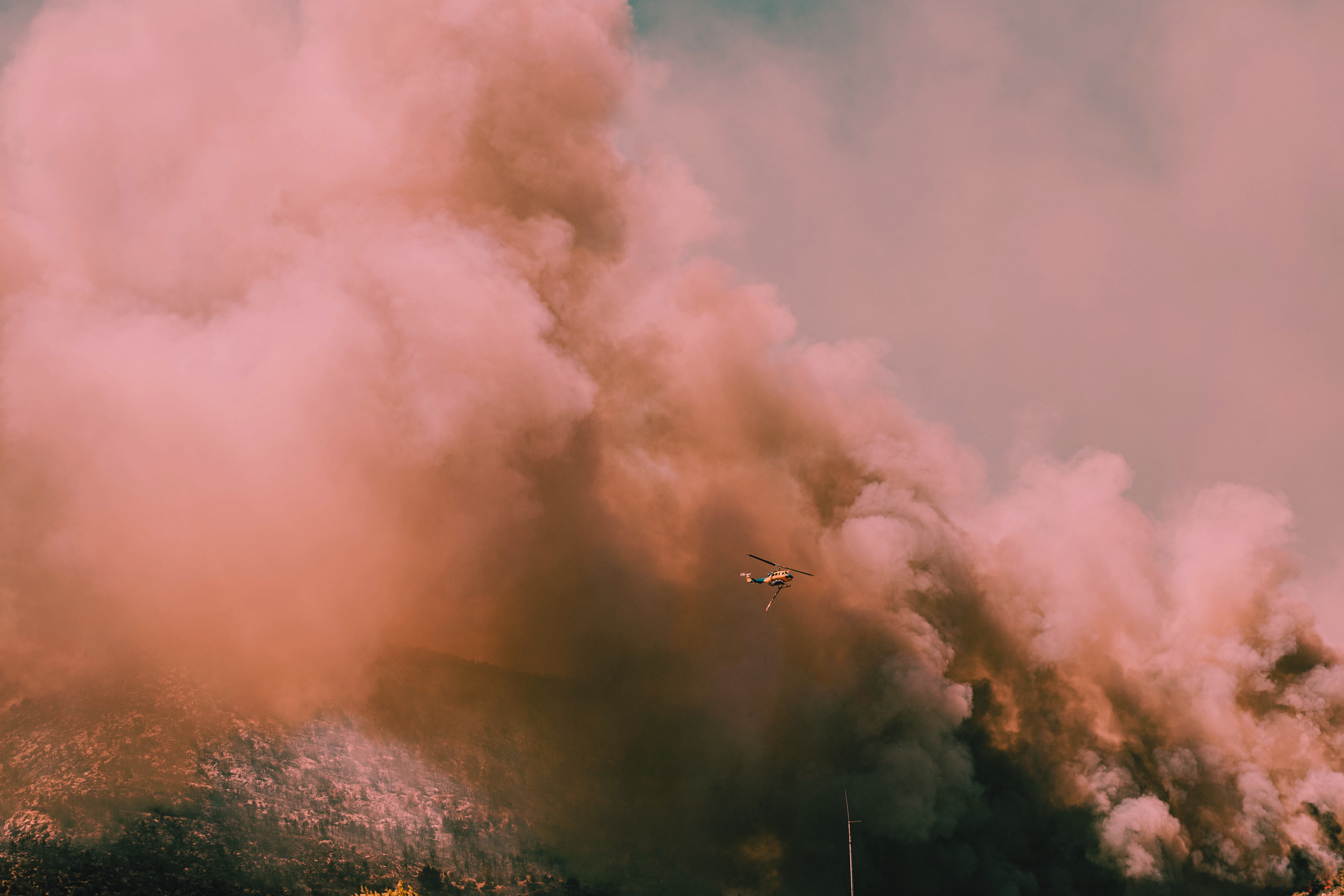
July 2026 tied with July 2024 as the joint warmest month ever recorded globally. The UK had five separate heatwaves this summer, its hottest on record. For years, climate change was discussed in terms of future risk. It is now something people are living through directly, visible in scorched lawns, wildfire warnings, and a steady run of headlines documenting one extreme event after another. Feeling despair or overwhelm in response to that is entirely expected. So is worrying that meaningful change would mean upending a life you have spent years building, and that worry is exactly why most people still don't act on what they're seeing. Recognising the scale of a problem and changing your own life in response to it are two very different things, and the gap between them is where most people get stuck.
Why a Career Change Feels Too Big to Start
Part of the reason is how the change is imagined in the first place. Quit the job. Retrain from scratch. Take a pay cut and start again at the bottom. Framed in this way, doing nothing starts to look like the safer option, even for someone who genuinely wants to change direction. The bigger the imagined step, the easier it becomes to talk yourself out of taking it at all.
Small Steps Can Get You to a Career Change
Moving into a career with genuine impact does not have to mean one big leap straight away. You can take a series of smaller, testable steps first, each one reducing the risk and uncertainty of the next, until the full change stops feeling reckless and starts feeling obvious.
Rob Gardner Fired Bullets Before Cannonballs
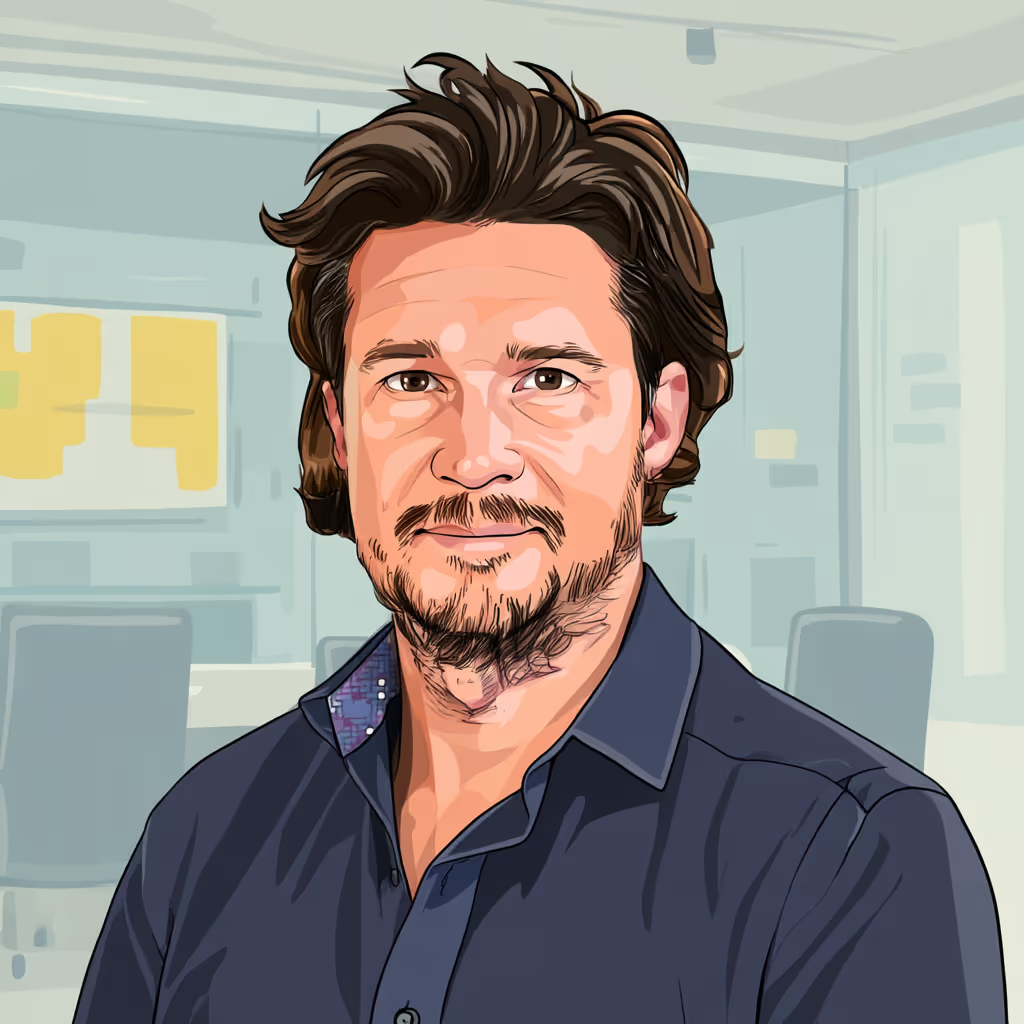
Rob Gardner's story, featured in House of Impact's Awareness to Action series, shows what that looks like in practice. He spent most of his career in mainstream finance before a moment of clarity at COP26 in 2021 showed him the scale of global nature loss. He didn't resign the next week. He spent roughly a year testing the idea first, investing personally in climate and nature startups, reading extensively, listening to podcasts, and finding mentors already working in the space. Only after that groundwork did he co-found Rebalance Earth, a fund manager now investing in UK nature restoration at scale. His own advice for the moment he was in: fire bullets before cannonballs.
What a Small Step Toward a Climate Career Actually Looks Like
That advice was not just a slogan. Gardner's own approach had concrete parts: putting a modest amount of personal capital into a handful of early-stage climate and nature ventures, working through books and podcasts in the sector rather than assuming existing knowledge was enough, and deliberately seeking out mentors already doing the work he was considering. He also set himself a defined timeframe to make the decision, rather than letting the search drift on indefinitely. None of those steps required leaving his job first.
Christian Lassen's Small Steps Into a Climate Career Looked Different
Christian Lassen's story, also featured in the Awareness to Action series, started with a single dive on the Great Barrier Reef, watching bleached areas of coral give way to a thriving reef just beyond it.
The dive stayed with him. It left him with a nagging sense that something in his own direction didn't line up with what he had just seen, even though he couldn't yet say what to do about it. He returned to the business degree he was studying in Denmark. An exchange at UC Berkeley became his first real step, exposing him to courses blending climate, energy, and finance and showing him that a career at that intersection might be possible.
Christian finished his degree and started full-time at PwC. It was while working there that a chance conversation about scholarships led him to find a specialist climate finance master's at Imperial College. He applied to more than sixty scholarships while still working full-time, was awarded fifteen, and used them to fund the degree before moving into natural capital investing at Foresight Group.
Climate Anxiety Doesn't Have to Sit There Doing Nothing
Research on climate anxiety consistently points to the same finding: structured, achievable action reduces the sense of helplessness that comes from awareness alone, in a way that passive worry never does. Neither Gardner nor Lassen solved that tension by making one dramatic decision. They solved it by starting with something manageable, and then taking another step from there. Their full stories, and others like them showing different routes into a career in impact, sit in House of Impact's Awareness to Action series.
Feeling shocked or overwhelmed by a summer of record heat, wildfires, and one alarming headline after another is an entirely understandable reaction. What Gardner and Lassen's stories show is that the answer to that feeling does not have to be a drastic, all-or-nothing leap. It can be a career that moves closer to what actually matters to you, built one deliberate step at a time.
FAQs
Got A Question?
Everything you need to know about impact careers, sustainable job opportunities and our talent network in one easy place.
Our House Views content library and Awareness to Action series share insights on sectors, roles and career moves. Many candidates use these resources to narrow their focus before speaking with us.
Because the numbers are clear. Green and transition sectors are growing faster than the rest of the economy, attracting capital, talent and innovation. Positioning yourself there is a commercial decision, not just a values one.
Awareness to Action is our interview and insight series. We speak with leaders across the impact economy and turn real conversations into practical guidance for careers, teams and capital.
Yes, we regularly feature impact investors, founders and sustainability leaders in interviews and House Views content. If you have something valuable to share with the impact economy, we would love to hear from you.